
Plants
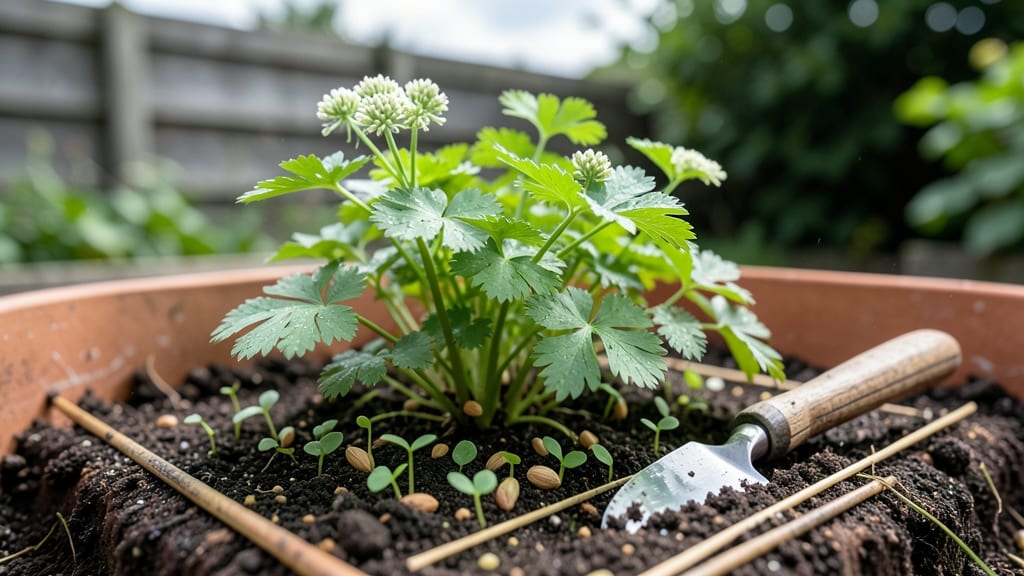
If you've ever planted cilantro in Missouri only to watch it bolt into bitter seeds before you could even harvest, you're not alone—and timing is the key to avoiding this frustrating garden fail.
The secret to growing fresh, flavorful cilantro 🌿 lies in planting it at the perfect moments when temperatures align with Missouri's USDA zones 5b-7a.
Spring and fall are your best bets, but getting the exact deadlines right makes all the difference. Plant too early, and heat will trigger bolting; too late, and frost will cut your harvest short.
Let me show you the precise windows—March to April for spring and August to September for fall—that keep your cilantro thriving.
What you'll discover isn't just about dates—it's about working with Missouri's climate quirks. From adjusting for microclimates to avoiding common mistakes that turn cilantro into a science experiment, I'll break down everything you need to know for a bolt-free harvest every time.
Ready to grow cilantro that stays fresh and flavorful? Let's dive into the exact strategies that'll transform your garden—and your cooking—this season.
Missouri cilantro planting calendar: exact spring & fall deadlines
Missouri's USDA Zones 5b-7a create a unique challenge for growing cilantro—too early, and frost zaps tender seedlings; too late, and summer heat sends plants bolting.
The key lies in precise timing tied to your last frost date (April 15) and first frost date (October 15), with temperature thresholds that prevent premature flowering.
For spring plantings, aim to sow cilantro seeds 4-6 weeks before your last frost—typically mid-to-late March. This gives seedlings time to establish before soil temperatures exceed 70°F (21°C), which triggers bolting.
In northern Missouri (Zone 5b), start indoors in early March for transplanting outdoors by mid-April.
Fall plantings require even more precision. Seed cilantro 6-8 weeks before your first frost—usually mid-August to early September. This ensures harvests before cool nights below 50°F (10°C) stifle growth. In southern Missouri (Zone 7a), you might extend planting until early October with row covers.
| Season | Planting Window | Key Temperature Threshold | Missouri Deadline |
|---|---|---|---|
| Spring | Late March - Mid-April | Soil >70°F (21°C) | April 15 (last frost) |
| Fall | Mid-August - Early September | Night temps <50°F (10°C) | October 15 (first frost) |
| Late Fall (Zone 7a only) | Early October (with protection) | Night temps <40°F (4°C) | November 1 (hard frost) |
Missouri's microclimates add another layer of complexity. Urban areas like St. Louis (Zone 6b) experience warmer microclimates than rural northwest Missouri (Zone 5b). Adjust planting dates 1-2 weeks earlier in cities and 1-2 weeks later in cooler valleys.
Use a soil thermometer to confirm 55-65°F (13-18°C) soil temps before planting.
For container growing, cilantro thrives in pots but requires earlier planting—start seeds indoors by late February for spring harvests. Containers warm faster than garden beds, so monitor soil temps closely. In fall containers, use black plastic pots to absorb daytime heat and retain warmth longer.
Missouri's unpredictable weather demands flexibility. If spring arrives warmer than usual (like in 2021's early heatwave), delay outdoor planting until after May 1 to avoid bolting. Similarly, if fall stays mild (like 2019), extend harvests with row covers until November 15.
Pro tip: Seed directly into the garden rather than transplanting seedlings. Cilantro has a delicate taproot that struggles with transplant shock. Scatter seeds 1/4 inch deep and 1/2 inch apart in rows spaced 12 inches apart.
Thin to 6 inches apart when seedlings reach 2 inches tall—this prevents overcrowding and bolting.
Remember, bolting isn't just about heat—drought stress and nutrient deficiencies can trigger it too. Pair precise planting with consistent moisture (1 inch per week) and balanced fertilizer (5-10-10) to keep your cilantro leafy and sweet until harvest.
Missouri cilantro planting calendar: exact spring & fall deadlines
Missouri's USDA zones 5b-7a create a unique challenge for cilantro growers—too much heat triggers bolting, while early frost cuts harvests short. The key is planting within precise temperature windows that balance growth and heat tolerance.
For spring, aim for March 15 to April 15, when soil temps stay below 75°F and nights remain cool.
Fall planting offers a second chance, with August 1 to September 15 being ideal. This timing lets cilantro mature before first frost (October 15) while avoiding summer heat stress.
In northern Missouri (Zone 5b), push spring planting slightly later—April 1—to wait out late frosts, while southern areas (Zone 7a) can start as early as March 1.
| Season | Planting Window | Key Temperature Threshold | Missouri Region Adjustment |
|---|---|---|---|
| Spring | March 15–April 15 | Soil <75°F, nights <60°F | Zone 5b: April 1 start |
| Fall | August 1–September 15 | Days <85°F, nights >50°F | Zone 7a: Sept 15 cutoff |
| Harvest Window | May–June (spring), Oct–Nov (fall) | Before seed stalks appear | North: Earlier harvests |
Missouri's microclimates can shift planting by weeks—urban areas like St. Louis often warm faster than rural zones. Test soil temps with a thermometer (60-70°F ideal) before planting. For container growing, use black plastic pots to absorb and retain heat, extending the season by 2-3 weeks in cooler areas.
Pro tip: Sow seeds in stages every 2 weeks within these windows. This ensures a continuous harvest and reduces bolting risk by preventing all plants from reaching maturity at once.
For example, start your first batch on March 20, then repeat on the 5th and 19th of April for a staggered crop.
Watch for heat stress signs like yellowing leaves or flower stalks—these mean it's time to harvest or shade plants immediately. In Missouri's summer, cilantro can bolt in just 10-14 days of temperatures above 80°F, so fall planting is often more reliable for full-season growth.
Remember: Last frost dates vary by county—check your local Missouri Climate Center data for precise adjustments. With these deadlines, you'll avoid the most common cilantro fail in Missouri gardens: bitter, bolted plants that ruin your salsa and tacos.