
Plants
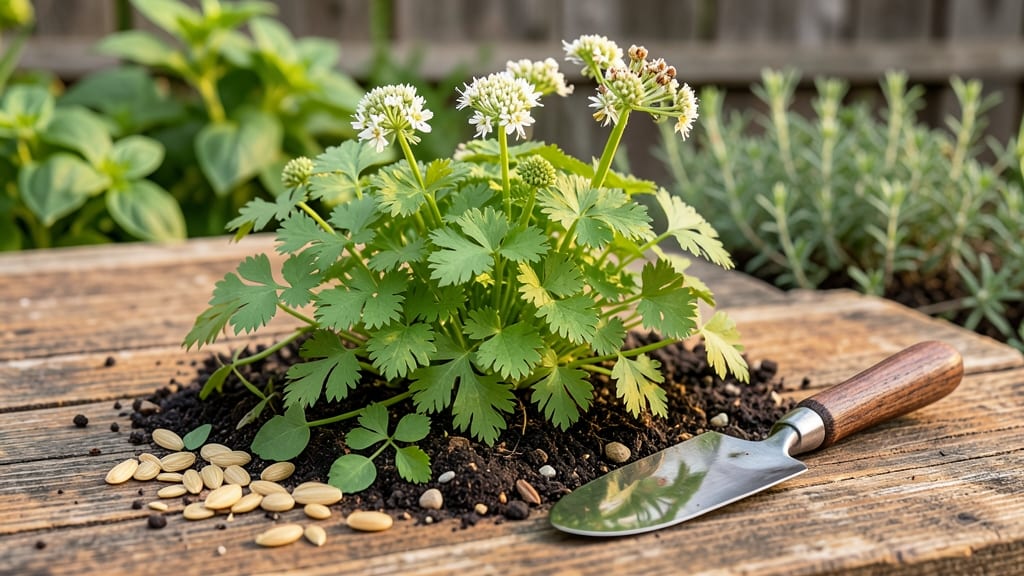
Knowing when to plant cilantro in NC can mean the difference between fresh, vibrant 🌿 harvests and bitter disappointment. This cool-weather herb thrives in North Carolina's spring and fall seasons, but timing is everything to avoid bolting—when it turns woody and seeds prematurely.
If you've ever planted cilantro only to watch it bolt before you can enjoy a single leaf, you're not alone. The key lies in understanding your USDA zone (6a-8b) and planting during the ideal windows: early spring or late summer.
Let's break down exactly when to start seeds or transplants for the best results.
In North Carolina, cilantro grows best when soil temperatures stay below 75°F. That means spring plantings should begin in March, while fall plantings work best in August or September. These windows align perfectly with the state's frost dates, giving you the longest growing season possible.
By following these guidelines, you'll learn how to grow cilantro that stays fresh and flavorful until harvest time. Let's dive into the perfect planting schedule for your North Carolina garden.
North Carolina’s ideal cilantro planting windows: spring vs. fall timing
North Carolina’s diverse climate zones (USDA 6b-8a) create unique challenges for growing cilantro. The key to success lies in planting during cool-season windows when temperatures stay below 75°F to prevent bolting.
Let’s break down the optimal planting times for each region and how to align your schedule with NC’s frost dates.
For spring planting, aim to sow cilantro seeds 4-6 weeks before your area’s last frost date. In Zone 6a (western mountains), this means mid-March, while Zone 8b (coastal areas) can start as early as late February.
The goal is to harvest before summer heat triggers bolting—typically by late May or early June.
Fall is cilantro’s second chance in NC. Plant seeds 8-10 weeks before your first frost date to ensure a harvest before winter sets in. In Zone 6a, this window closes around mid-September, while Zone 8b gardeners can extend it to early October.
Timing is critical—plant too late, and frost will kill your crop before maturity.
Here’s a quick reference for soil temperature thresholds critical for germination: cilantro seeds need soil temps between 60-70°F. Use a soil thermometer to verify conditions before planting. In NC’s Piedmont region, morning soil temps can spike above this range by late April, so act fast!
Microclimates matter! Coastal NC’s milder winters allow for earlier spring plantings, while mountain regions benefit from longer fall growing seasons. For example, Asheville (Zone 7a) can push fall cilantro until October 15th, whereas Raleigh (Zone 7b) should finish by October 1st to avoid frost damage.
🌱Pro Tip: Use shade cloth (30-50%) if planting in late spring to buy extra time before bolting. This simple trick can extend your harvest window by 2-3 weeks in heat-prone areas like the Research Triangle.
🌿 NC Cilantro Planting & Harvest Timeline
| Zone | Spring Planting | Harvest Window | Fall Planting | Harvest Window |
|---|---|---|---|---|
| 6a (Mountains) | Mid-March | April-June | Mid-August | Sept-Oct |
| 7a (Piedmont) | Late Feb | March-May | Early Sept | Oct-Nov |
| 8b (Coastal) | Late Feb | March-June | Early Oct | Nov-Dec |
💡 Note: Adjust dates by 1-2 weeks for microclimates (e.g., urban heat islands or valley frost pockets).
For container growing, cilantro thrives in 5-gallon pots with well-draining soil. This method gives you flexibility to move plants to shadier spots as summer approaches. Just ensure pots have drainage holes to prevent root rot—a common issue in NC’s humid summers.
🌡️ Heat Alert: Cilantro’s bolting threshold is 75°F for extended periods. In Zone 7b+, this means bolting often starts by late May. To delay it, plant slow-bolting varieties like ‘Santo’ or ‘Calypso’ and use drip irrigation to keep roots cool.
Remember: Succession planting every 2 weeks in spring/fall ensures a continuous harvest. For example, if you plant March 1st, March 15th, and April 1st in Raleigh, you’ll have fresh cilantro from April through November with minimal gaps.
Finally, test your soil’s pH (ideal range: 6.2-6.8) before planting. NC’s clay-heavy soils in the Piedmont often need compost or peat moss to improve drainage. Amend beds in fall for spring readiness, or top-dress in early spring before sowing seeds.
North Carolina’s ideal cilantro planting windows: spring vs. fall timing
North Carolina’s USDA zones 6b-8a create distinct planting windows for cilantro, where timing directly impacts whether you’ll enjoy fresh leaves or bitter bolts. The cool-season herb thrives when soil temperatures stay below 75°F, making early spring and late summer/fall the perfect times to plant.
For spring plantings, start seeds indoors 4-6 weeks before your last frost date (typically mid-March in Zone 6a to mid-February in Zone 8b). Transplant seedlings outdoors once nighttime temperatures consistently stay above 40°F, usually by late March or early April.
Here’s how North Carolina’s regional microclimates affect planting deadlines:
For fall plantings, aim to sow seeds 8-10 weeks before your first frost (typically late August to early September). This ensures cilantro matures before temperatures drop below 40°F, preventing stunted growth.
In warmer zones like the Coastal Plain, you can push fall plantings slightly later into early October.
Soil temperature is critical: cilantro seeds won’t germinate well above 80°F. Use a soil thermometer to confirm conditions are ideal before planting. In hot summers, wait until late afternoon shade covers your planting area to create cooler microclimates.
Pro tip: In Zone 7a and below, consider using row covers to extend your fall harvest into November. This protects tender leaves from early frost while maintaining ideal growing conditions.