
Plants
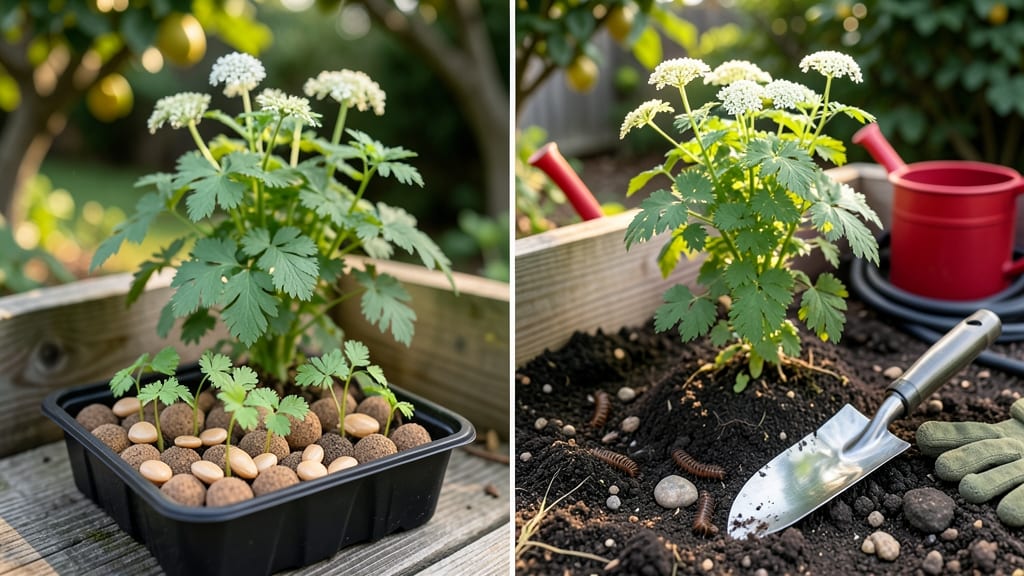
Planting cilantro in Southern California at the wrong time means watching your fresh 🌿 turn bitter and bolt before you can even harvest it.
If you're tired of wasted effort and want to grow cilantro that thrives—not just survives—you need to know the exact months that work best in your local climate.
Southern California's mild winters and hot summers create a tricky balance for cilantro lovers. The key to success lies in planting during the cooler months when temperatures stay comfortable for this cool-season herb.
Whether you're in coastal areas or inland zones like 9b-11, timing makes all the difference between a flourishing herb garden and a disappointing failure.
I've grown cilantro in Southern California for years and learned that September through October offers the perfect window for fall planting. This timing gives your cilantro enough cool weather to establish strong roots before summer heat arrives.
But there's more to it than just months—soil prep and microclimate factors play crucial roles too.
In this guide, I'll show you not just when to plant cilantro, but how to create ideal growing conditions that prevent bolting. You'll discover proven techniques to extend your growing season and keep your cilantro productive from harvest time through spring. Let's get your garden growing the right way.
Best months to plant cilantro in Southern California (avoiding bolting)
Southern California’s mild winters and hot summers create a tricky balance for growing cilantro. Unlike cool-season crops, cilantro thrives when daytime temperatures stay below 75°F—any warmer, and it bolts (goes to seed) faster than you can say "guacamole."
The ideal window for planting cilantro here is September to October and February to March, aligning with the USDA Zone 9b-11 climate. This timing ensures your cilantro gets the cool, moist conditions it craves while avoiding the heat stress that triggers bolting.
But here’s the catch: Southern California isn’t one-size-fits-all. Coastal areas like Santa Barbara and San Diego have cooler microclimates, while inland cities like Los Angeles and Riverside can hit 90°F+ even in "fall."
Coastal gardens can stretch cilantro into November, while inland gardeners should plant by late September to avoid summer heat. Understanding your local microclimate is key to success.
Soil temperature is another critical factor. Cilantro germinates best in soil between 60°F and 70°F. If you plant too early (like August), the soil may still be too warm, leading to slow germination or uneven sprouts.
Conversely, planting too late (like December) risks exposing your cilantro to winter rains, which can cause rot or fungal issues. Aim for soil temps between 65°F and 70°F for the best start.
Now, let’s talk about the bolting risk by month. Bolting is cilantro’s way of saying, "It’s too hot, I’m outta here!" Here’s how your planting month affects bolting:
| Month | Bolting Risk | Soil Temp (°F) | Best For |
|---|---|---|---|
| August | High (unless coastal) | 75°F+ | Succession planting (with shade) |
| September | Low-Moderate | 65°F-75°F | Primary planting window |
| October | Low | 60°F-70°F | Best harvest window |
| November | Moderate (coastal only) | 55°F-65°F | Coastal gardens only |
| February-March | Low | 55°F-65°F | Spring harvest |
| April-May | High | 70°F+ | Avoid planting |
If you’re in an inland valley like the San Fernando Valley or Coachella Valley, the heat arrives earlier. Here, I recommend planting cilantro in late September and using shade cloth (30-50%) to protect it from afternoon sun.
For coastal gardeners, you’ve got a little more flexibility—you can push cilantro into early November or even February for a spring harvest. The key is to monitor soil temps and adjust your planting schedule accordingly.
One trick I swear by is succession planting every 2-3 weeks from September through November. This ensures a steady supply of fresh cilantro without overwhelming your garden. For example, plant a batch in late September, another in early October, and a final one in mid-October.
By the time the first batch bolts (usually around November), your later plantings will be ready for harvest. This method also helps you avoid the bolting rush that happens when all your cilantro flowers at once.
For those in high-elevation areas (like the San Bernardino Mountains), you might even squeeze in a winter planting in December, but be prepared for slower growth due to cooler temps.
Always check your last frost date—though most of Southern California is frost-free, high desert areas can dip below 32°F in winter, which cilantro can tolerate but prefers to avoid.
Finally
Best months to plant cilantro in Southern California (avoiding bolting)
Southern California's unique climate—with its warm winters and scorching summers—demands precise timing for growing cilantro. The ideal window spans from late summer to early fall, specifically September through October, when daytime temperatures hover between 60°F and 75°F.
This range keeps cilantro happy and prevents the dreaded bolting that turns your herb into a bitter, seed-producing plant.
For coastal areas like San Diego or Santa Barbara, you can push planting slightly earlier—late August—thanks to cooler ocean breezes. Inland zones (e.g., Los Angeles Basin, Riverside) should wait until mid-September to avoid heat stress.
The key is to give cilantro enough time to establish roots before the summer heat arrives in earnest.
If you're eager for a spring harvest, aim for February to early March. This timing aligns with the coolest months in Southern California, mimicking cilantro's native Mediterranean climate. Just be prepared to harvest quickly before temperatures rise—spring cilantro often bolts faster than its fall counterparts.
🌿 Cilantro Planting Timeline for Southern California
| Month | Coastal Zones | Inland Zones | Bolting Risk |
|---|---|---|---|
| August | ✅ Good (early start) | ❌ Avoid (too hot) | Low (coastal) |
| September | ⭐ Best | ✅ Ideal | Very Low |
| October | ⭐ Best | ✅ Ideal | Low |
| November | ✅ Good (late harvest) | ⚠️ Moderate risk | Medium |
| February | ✅ Spring option | ✅ Spring option | Low (early spring) |
| March | ⚠️ Risky (late spring) | ❌ Avoid (bolting likely) | High |
💡 Pro Tip: Use a soil thermometer to confirm temps stay below 75°F—cilantro bolts when soil exceeds 80°F.
Soil preparation is just as critical as timing. Cilantro thrives in well-draining soil with a pH between 6.2 and 6.8. Amend your garden beds with compost or aged manure before planting to improve fertility and moisture retention.
In USDA Zones 9b-11, where summers are intense, consider adding 1-2 inches of mulch to keep roots cool and retain moisture.
For gardeners in high-desert areas (e.g., Palm Springs), cilantro can even handle winter planting in December, as daytime temps rarely drop below 50°F. Just protect seedlings from cold snaps with a lightweight row cover if temperatures dip below 40°F.
The goal is to keep cilantro growing steadily without sudden temperature swings.
Remember, cilantro is a cool-season herb, so it’s all about avoiding heat stress. By planting in September-October or February-March, you’ll give your cilantro the best shot at a long, flavorful harvest before summer arrives to ruin the party.
With the right timing, you’ll enjoy fresh cilantro straight from your garden for months—no bitter surprises included!