
Trees
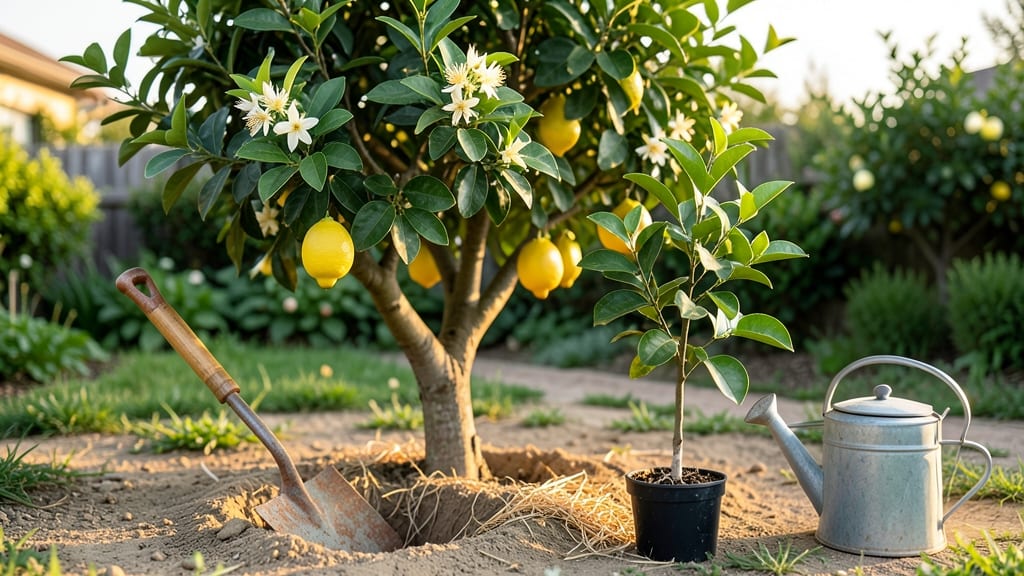
Planting your 🍊 citrus tree in Arizona at the wrong time could mean the difference between a thriving orchard and a sad, wilted sapling. The key isn’t just avoiding frost—it’s mastering the cool-season window when roots establish before summer’s brutal heat kicks in.
Most of Arizona falls in USDA zones 9a-11, where citrus trees can technically grow year-round—but that doesn’t mean you should. The best planting months are November through March, when temperatures stay mild and the soil is perfect for root growth.
Skipping this window risks stressing your tree before it’s ready to handle 110°F+ afternoons.
Whether you’re in Phoenix’s low desert or Flagstaff’s higher elevations, timing matters. I’ll break down exactly when to plant, how to prep your soil, and which citrus varieties handle Arizona’s extremes like champions. Let’s get your tree off to the right start.
Ready to avoid the common mistakes that kill citrus trees in Arizona? You’ll learn the exact planting schedule, post-planting care tips, and even how to spot a healthy young tree before you buy. Your future harvest of juicy oranges and tangy lemons starts with this one decision.
Best planting months for citrus trees in Arizona’s frost-free zones
Arizona’s diverse climate—from the low desert’s 110°F+ summers to the high desert’s occasional frost—demands precision when planting citrus trees. The best window spans November through March, aligning with cooler temperatures and avoiding both summer heat stress and winter chill risks.
In USDA Zones 9-10 (most of Arizona), you can plant year-round, but late winter/early spring (Feb–March) is ideal for root establishment before summer’s intensity.
For higher elevations (Zones 7-8), such as Flagstaff or Prescott, fall planting (Sept–Oct) is safer—allowing roots to establish before potential frost. Even in frost-free areas, avoid planting during summer monsoons (July–Aug), when heavy rains can drown roots and extreme heat (above 105°F) stresses young trees.
Microclimates matter: Phoenix’s urban heat island may require earlier planting than cooler rural areas.
🌱
| Zone & Location | Best Planting Months | Key Considerations | Frost Risk |
|---|---|---|---|
| USDA 10a-11 (Phoenix, Tucson, Yuma) | November–March | Avoid summer heat; soil temps >60°F | None (year-round frost-free) |
| USDA 9a (Mesa, Prescott Valley) | February–March (or Sept–Oct) | Cooler temps for root growth | Rare (Dec–Jan) |
| USDA 7b-8a (Flagstaff, Sedona) | September–October | Establish roots before frost | High (Nov–Mar) |
| Monsoon Regions (Sierra Vista) | April–May (after rains) | Drainage critical; avoid waterlogged soil | Low (Dec–Jan) |
In low-desert areas like Phoenix, I’ve found that planting in late February gives roots time to establish before the April heat surge. Pre-soak the root ball for 1–2 hours before planting to reduce transplant shock, then water deeply every 2–3 days for the first month.
For higher elevations, opt for dwarf or semi-dwarf varieties like ‘Carrizo’ citrange—they handle cooler nights better than full-size trees.
Soil temperature is critical: roots won’t grow well below 60°F. Use a soil thermometer to check depth (6 inches).
If temps dip below 50°F, delay planting until conditions stabilize. Mulch heavily (4–6 inches) with wood chips to insulate roots and retain moisture—this is non-negotiable in Arizona’s 100°F+ summers.
Another pro tip: plant on a cloudy day to reduce stress on the tree. I’ve seen citrus trees planted under direct midday sun wilt within hours, even with adequate water. Morning planting (before 10 AM) gives the tree time to acclimate.
Pair this with 50% shade cloth for the first week to ease the transition.
🌿
If you’re in a transition zone (e.g., Gilbert or Queen Creek), where frosts are rare but possible, plant in November to avoid winter chill.
These areas benefit from windbreaks—use a bamboo fence or shrubs to protect young trees from desert winds, which dry out soil and leaves quickly. For container growing, plant in 15-gallon pots and move to a garage or shade structure if temps drop below 40°F.
Finally, avoid planting during monsoon season (July–August). The intense downpours can cause soil erosion and root rot if drainage is poor. Instead, wait until September when rains taper off and temps begin to cool. This gives your citrus tree the best chance to thrive in Arizona’s unpredictable climate.
✂️
How Arizona’s heat and altitude affect citrus tree survival rates
Arizona’s extreme heat and varying altitudes create unique challenges for citrus trees. In Phoenix (low desert), summer temperatures often exceed 105°F, while Flagstaff (high desert) faces cooler nights but earlier frost risks.
These conditions directly impact root growth, leaf scorch, and overall tree resilience. Understanding these factors helps you choose the right planting strategy and care routine for your citrus tree’s success.
Citrus trees thrive when soil temperatures stay above 60°F—critical for root development. In Arizona, this means avoiding summer planting (June–August), when soil can reach 120°F+ and fry young roots. Instead, focus on fall or early spring when temperatures are milder.
For example, Phoenix’s ideal planting window is November–February, while Flagstaff’s cooler climate allows for September–October plantings to avoid early frost.
To mitigate heat stress, use mulch (3–4 inches of organic material) to insulate roots and retain moisture. Drip irrigation systems are ideal—they deliver water directly to roots while minimizing evaporation.
Avoid overhead watering, which can lead to fungal diseases like citrus scab. Additionally, shade cloth (30–50%) can protect young trees during 110°F+ heatwaves, reducing leaf burn and stress.
Altitude plays a surprising role in citrus survival. Trees in Phoenix (USDA Zone 10a) rarely face frost, but those in Prescott (Zone 7b) may encounter 20°F dips. If you’re in a higher-elevation area, choose cold-hardy varieties like ‘Satsuma’ mandarins or ‘Carrizo’ citrange.
For added protection, wrap the trunk with burlap or use a tree blanket during winter months. Even in frost-free zones, winter chill hours (300–600 hours below 45°F) are essential for flowering and fruiting.
Another critical factor is humidity. Arizona’s low humidity (often 20–30%) can stress citrus trees, making them susceptible to aphids and scale insects. Regularly inspect leaves for sticky residue (a sign of sap-sucking pests) and treat with neem oil or insecticidal soap.
Prune trees in late winter to improve airflow and reduce disease risk. With the right adaptations, your citrus tree can thrive despite Arizona’s harsh climate.
Finally, monitor your tree’s growth rate and fruit production as indicators of its health. Slow growth or dropping leaves may signal heat exhaustion or nutrient deficiency. Adjust your care routine by adding citrus-specific fertilizer in early spring and increasing watering during peak summer.
With these strategies, your citrus tree will not only survive but thrive in Arizona’s challenging conditions. 🌱☀️