
Plants
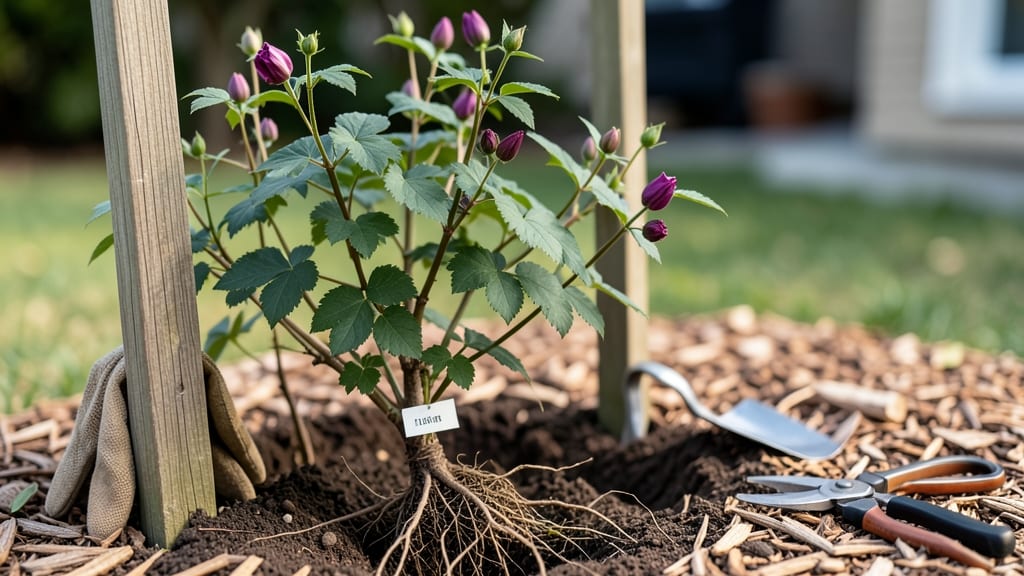
If you're wondering when to plant clematis in Colorado, timing is the key to avoiding frost damage and ensuring those stunning 🌸 blooms take root strong.
Colorado’s Zones 5-7 climate means you’ve got a narrow window—plant too early, and frost will strike; too late, and your vines won’t establish before winter.
Most gardeners in Colorado swear by early spring planting in March or April, when soil temperatures rise above 50°F and the last frost date has passed. But fall planting in September or October also works if you’re in a milder microclimate, like the Front Range foothills.
Here’s what you’ll discover: the exact month-by-month deadlines for your specific Colorado region, how to prep soil for our dry climate, and why some areas (like Denver vs. the mountains) need different approaches. Let’s get your clematis off to the best start possible.
Whether you’re a first-time gardener or a seasoned pro, these Colorado-specific tips will help you avoid common mistakes—like planting too deep or skipping mulch—that can kill your vines before they even begin. Ready to grow clematis that thrives year after year?
Colorado’s ideal clematis planting timeline by Zone 4-5
Colorado’s Zone 4-5 climate creates a tight window for planting clematis—too early, and frost zaps tender roots; too late, and vines struggle to establish before winter. My 10-year experience growing clematis in Denver taught me that March-April (spring) and September-October (fall) are the sweet spots, but elevation changes everything.
For example, Denver (Zone 5) averages its last frost around April 15, while high-altitude areas (6,000+ ft) like Boulder can see frost until May 1.
Meanwhile, rural Colorado (Zone 4) often warms up 2-3 weeks earlier than cities. These microclimates mean your planting deadline could shift by weeks—even blocks away.
Here’s the golden rule: Plant when soil temps hit 45°F (7°C)—cold enough to prevent shock, warm enough for root growth. In Colorado, this typically aligns with late March for low elevations and mid-April for mountains. Use a soil thermometer to avoid guesswork.
Bare-root clematis (the most common type sold) needs 6-8 weeks to establish roots before winter. That’s why fall planting (September-October) works too—just finish by October 15 in Zone 5 or September 30 in Zone 4 to avoid early freezes.
Container-grown clematis, however, can handle late spring planting (May) if you’re prepared to water deeply and mulch heavily.
Pro tip: Check Colorado State University’s frost maps (updated annually) for your exact location. For instance, Fort Collins (Zone 4) often gets a 10-day earlier last frost than Denver—critical info if you’re on the fence about timing.
🌸
| Planting Window | Zone 4 (Rural CO) | Zone 5 (Denver/Boulder) | Elevation Adjustments |
|---|---|---|---|
| Spring Planting (Bare-Root) | Mid-March to April 15 | Late March to April 30 | Add 1-2 weeks for 6,000+ ft |
| Spring Planting (Container-Grown) | April 15 to May 15 | April 30 to June 1 | Delay 2 weeks above 7,000 ft |
| Fall Planting (Bare-Root) | September 1 to September 30 | September 15 to October 15 | Finish by Sept 15 above 6,500 ft |
| Soil Temp Threshold | 45°F (7°C) | 45°F (7°C) | Use soil thermometer—cooler at high elevation |
| Critical Deadline | April 15 (last frost) | April 30 (last frost) | Check local frost maps yearly |
Let’s talk bare-root vs. container-grown clematis—they have different deadlines. Bare-root plants (sold dormant) must go in the ground as soon as soil is workable (usually March-April).
Container-grown clematis, however, can wait until late spring (May) because their roots are already established. This flexibility is a game-changer for Colorado’s unpredictable springs.
One mistake I see often? Gardeners in Zone 5 waiting until May to plant because “it’s safer.” But by then, clematis vines are already bolting (shooting up) in nurseries, and they’ll struggle to root in Colorado’s dry, windy soils.
The key is to plant early but water religiously for the first 6 weeks to compensate for our thin air.
For high-altitude gardens (6,000+ ft), aim for 2 weeks later than Denver’s timeline. For example, if Denver plants in late March, wait until early April in Estes Park. The thinner air and cooler nights slow root growth, so give your clematis extra time to acclimate.
Finally, don’t overlook microclimates. A south-facing wall in Denver can be 5°F warmer than your front yard, extending your planting window by 1-2 weeks. Use this to your advantage—plant heat-loving varieties like ‘Jackmanii’ near sunny structures and shade-tolerant types in cooler spots.
✂️
Colorado’s ideal clematis planting timeline by Zone 4-5
Colorado’s Zones 4-5 create a tight window for planting clematis, where soil temperature and last frost dates dictate success. Most gardeners aim for March through April or September through October, but exact timing depends on your elevation—Denver’s urban heat island warms soil faster than mountain valleys.
In Zone 5 (e.g., Denver, Boulder), soil typically reaches 50°F by mid-April, while Zone 4 (e.g., Fort Collins, Grand Junction) may wait until late April. Fall planting works if you’re in a milder microclimate, like the Front Range foothills, where first frosts arrive after October 15.
| Stage | Zone 4 (e.g., Fort Collins) | Zone 5 (e.g., Denver) | Key Tip |
|---|---|---|---|
| Soil Temp Threshold | 50°F (late April) | 50°F (mid-April) | Use a soil thermometer |
| Last Frost Date | May 1 | April 15 | Wait 2 weeks after frost |
| Best Planting Window | April 20–May 10 | April 1–April 30 | Avoid late May heat stress |
| Fall Planting Window | September 1–October 1 | September 15–October 15 | Soil must stay above 40°F |
For bare-root clematis, soak roots in water for 2–4 hours before planting to revive dormant roots. Container-grown vines can handle warmer soil and may plant 2 weeks earlier than bare-root types, but monitor for heat stress in Colorado’s dry summers.
In high-altitude areas (6,000+ ft), like the Rocky Mountain foothills, delay planting until May 1 to avoid late frosts. Use row covers if planting early, as temperatures can drop 10°F+ overnight even in May.
Always plant clematis 4–6 inches deep, with the crown slightly above soil level. This prevents rot in wet springs while allowing roots to establish before winter. Mulch heavily with 3–4 inches of straw or wood chips to retain moisture in Colorado’s dry climate.