
Plants
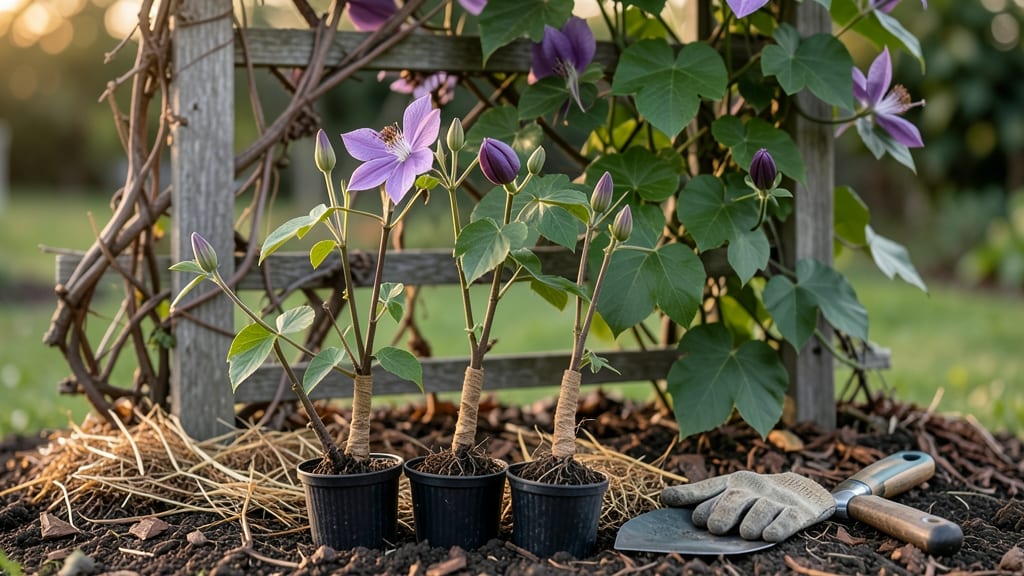
Planting clematis in Indiana at the wrong time can mean weak roots and fewer blooms next spring—but timing it just right gives you a showstopping vine that thrives through Zone 6 winters. The key? Understanding Indiana’s frost dates and soil conditions to give your 🌸 clematis the best start before winter sets in.
Most gardeners in Zone 5b-6b swear by early spring or early fall planting, but there’s more to it than just picking a month. We’ll break down exactly when to plant—whether you’re working with bare-root starts or container-grown vines—and how to prep your soil for Indiana’s unpredictable climate.
You’ll also discover how to protect your clematis from Indiana’s first frost (usually around October 15) and what varieties handle our winters best. Skip the guesswork and plant with confidence—your future blooms will thank you!
Ready to transform your garden? Let’s dive into the perfect planting schedule for Indiana’s unique growing season, so your clematis gets off to a strong, healthy start.
Best planting windows for clematis in Indiana’s Zone 6 climate
Indiana’s Zone 6 climate creates a narrow window for planting clematis—too early, and frost threatens tender roots; too late, and vines won’t establish before winter.
The key is aligning your planting with soil temperatures between 40°F and 60°F, which typically occurs in early spring (March-April) or early fall (September-October). This timing ensures roots grow strong before Indiana’s average first frost (October 15) or after the last frost (April 15).
For bare-root clematis, early spring planting (late March to early April) gives vines 6-8 weeks of warm soil to establish before summer heat arrives. Fall planting (late September to early October) works best for container-grown clematis, allowing roots to settle before dormancy.
Northern Indiana’s cooler microclimates may shift these windows 1-2 weeks later, while southern Indiana’s milder zones can accommodate slightly earlier spring or later fall planting.
Always check your local Indiana frost dates—they can vary by 5-7 days yearly. Use the USDA Plant Hardiness Zone Map for your exact location (most of Indiana falls in Zone 5b-6b).
Planting too close to frost dates risks root damage or winter dieback, while waiting too long delays the first year’s blooms.
Here’s how to match your planting to Indiana’s climate cues:
| Planting Window | Indiana Timing | Soil Temp | Key Cue |
|---|---|---|---|
| Early Spring | Late March–Early April | 40–50°F | Daffodils blooming |
| Fall | Late September–Early October | 50–60°F | 6–8 weeks before frost |
| Northern IN Adjustment | April 1–May 1 | 45–55°F | Later frost dates |
| Southern IN Adjustment | March 15–April 15 | 40–60°F | Earlier frost-free dates |
Spring planting offers the advantage of immediate growth and first-year blooms for early varieties, but fall planting reduces transplant shock and gives roots a head start. If you miss these windows, container-grown clematis can be planted as late as May, though they may bloom later that season.
For bare-root plants, avoid planting after mid-May to prevent drought stress.
Indiana’s heavy clay soils can delay soil warming in spring. Amend planting areas with compost or organic matter 2–3 weeks before planting to improve drainage and warmth retention. Test soil pH (ideal: 6.5–7.0) and adjust with lime if needed.
In fall, focus on mulching to insulate roots—use straw or shredded leaves (4–6 inches thick) to protect against winter temperature swings.
Pro tip: Plant clematis near a south-facing wall to extend the growing season. The wall absorbs heat during the day and radiates it at night, creating a microclimate 5–10°F warmer than open ground. This can push your planting window 1–2 weeks earlier in spring or later into fall.
Monitor your clematis’s progress after planting. In spring, new growth should appear within 3–4 weeks if planted correctly. In fall, look for firm, white roots (not brown or mushy) when checking container-grown plants. Adjust your timing based on these visual cues—Indiana’s unpredictable weather means flexibility is key to success.
Ready to plant? Grab your gloves and check the Indiana State Climate Office for your local frost dates. With the right timing, your clematis will reward you with vibrant blooms from early summer to fall, transforming your garden into a vertical masterpiece.
Best planting windows for clematis in Indiana’s Zone 6 climate
Indiana’s Zone 6 climate offers two ideal windows for planting clematis: early spring (March-April) and early fall (September-October). These periods align with soil temperatures between 40-60°F, which is perfect for root establishment before winter dormancy or summer heat stress.
For spring planting, aim to get your clematis in the ground by April 15—Indiana’s average last frost date. This gives roots 4-6 weeks to settle before summer’s peak growth.
Fall planting, however, requires even more precision: plant by mid-September in southern Indiana or by early September in colder northern regions like Gary or South Bend.
Why these windows? Clematis roots need time to adapt before Indiana’s first frost (usually October 15). Planting too late in fall risks weak root systems that can’t survive winter, while spring planting after frost dates may expose tender roots to cold snaps.
Indiana Clematis Planting Timeline
| Season | Ideal Planting Window | Soil Temp | Indiana-Specific Tip |
|---|---|---|---|
| Spring | March 15 - April 15 | 40-60°F | Wait until soil thaws completely; avoid waterlogged clay soils. |
| Fall | September 1 - September 15 (North) / September 15 - October 1 (South) | 50-60°F | Mulch heavily after planting to protect roots from early frosts. |
Northern Indiana gardeners should err on the earlier side (March or early September) due to colder microclimates, while southern Indiana’s milder winters allow slightly later fall planting. Always check your local frost-free date—Indiana’s can vary by 1-2 weeks between regions.
For container-grown clematis, you have more flexibility—plant anytime the ground isn’t frozen. However, bare-root varieties need those 40-60°F soil temperatures to wake from dormancy. Soak bare roots in water for 2-4 hours before planting to jumpstart root growth in Indiana’s often-dry spring soils.
Pro tip: Mark your calendar for April 15 and October 15—these dates bookend Indiana’s ideal clematis planting windows. Miss them, and you risk stunted growth or winter damage. With perfect timing, your clematis will reward you with vibrant blooms from early summer through fall! 🌸