
Plants
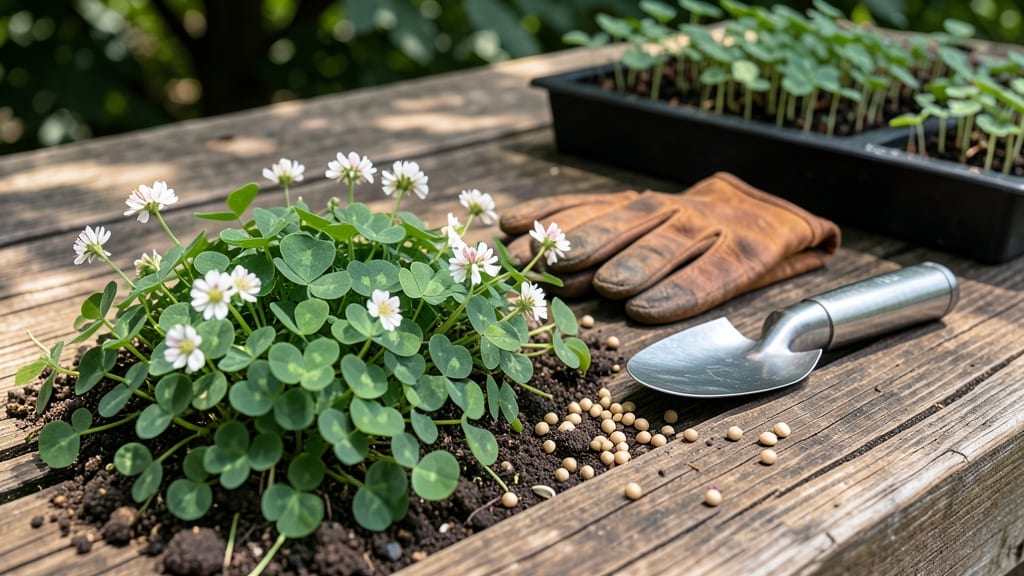
Planting clover in Washington State at the wrong time can leave you with patchy, weak growth—or worse, no growth at all. The state’s dramatic shifts from rainy Western coasts to dry Eastern plains mean timing is everything for a thriving 🌱 clover patch that fixes nitrogen and attracts pollinators.
Whether you're seeding a lawn mix in Zone 8b or a cover crop in Zone 6b, the ideal window opens in early spring (March–May) or fall (August–September).
But here’s the catch: coastal areas like the Puget Sound can start 2 weeks earlier than Eastern WA’s arid regions, where late frosts linger until mid-April.
I’ll break down the exact weeks to plant based on your microclimate—plus how to prep soil for optimal germination. Skip the guesswork and get clover that spreads fast, stays green, and supports your garden’s health year-round.
Ready to transform your yard into a pollinator paradise? Let’s dive into the perfect planting schedule tailored to Washington’s unique growing zones.
Best planting weeks for clover in Washington’s 3 key microclimates
Washington State’s varied climates demand precise timing for clover success. The Pacific Northwest’s wet, mild winters contrast sharply with Eastern WA’s dry summers, so planting windows differ dramatically. Let’s break down the ideal weeks for each region to ensure your clover thrives year-round.
For Western WA (including Puget Sound and coastal areas), aim to plant clover seeds between late February and early May. The soil temperature should reach at least 50°F—a key trigger for germination.
This region’s longer growing season allows for a broader window, but don’t delay past May 15 to avoid summer drought stress.
In Eastern WA (like Spokane or Wenatchee), plant clover between mid-April and early June. The drier climate means you’ll want to establish roots before summer heat arrives. Fall planting (August–September) is also ideal here, as cooler temps reduce water needs and prevent seed dormancy.
Puget Sound gardeners have a unique advantage: mild winters allow for fall overseeding (August–September) to establish clover before winter rains. This method ensures a lush spring bloom and reduces summer watering demands.
| Region | Best Planting Weeks | Soil Prep Tip | Key Consideration |
|---|---|---|---|
| Western WA (Coastal) | Late Feb–Early May | Test pH (6.0–7.0), add compost | Avoid late planting (fungus risk) |
| Puget Sound | Aug–Sep (fall) or Mar–Apr (spring) | Loosen soil, mulch after planting | Fall planting = spring bloom |
| Eastern WA (Arid) | Mid-Apr–Early June | Irrigate deeply before planting | Water 2x/week post-planting |
Before planting, test your soil’s pH—clover thrives in slightly acidic to neutral soil (6.0–7.0). In Western WA, compost improves drainage in heavy clay soils, while Eastern WA gardens benefit from organic matter to retain moisture.
A light raking of the soil surface (1–2 inches deep) ensures good seed-to-soil contact.
For lawn mixes, combine clover with grass seed (like Kentucky bluegrass) for a nitrogen-rich lawn. Plant in early spring (March) or fall (September) to outcompete weeds. In dry Eastern WA, consider white Dutch clover—it’s drought-tolerant and spreads faster than red clover.
Timing isn’t just about months—it’s about weather patterns. In Western WA, avoid planting during prolonged rain (like November–January), as seeds may rot. In Eastern WA, plant after the last frost (typically April 15) to prevent frost damage to young shoots.
Pro tip: Use a seed starter fertilizer (low nitrogen, like 5-10-10) at planting to jumpstart growth. In Puget Sound, a light mulch (straw or wood chips) helps retain moisture during spring rains. For Eastern WA, drip irrigation keeps seeds moist without wasting water.
Remember, clover is a living mulch—once established, it suppresses weeds and improves soil health. By aligning your planting with local frost dates and rainfall patterns, you’ll enjoy a vibrant, low-maintenance ground cover for years.
How to adjust planting dates for early vs late varieties of clover
Choosing the right clover variety for your Washington garden isn’t just about aesthetics—it’s about matching your local frost dates. Dutch white clover, for example, germinates quickly but struggles with late frosts, while red clover handles cooler temperatures better.
Your planting window shifts by 2–4 weeks depending on which type you choose.
In Western WA’s milder zones, Dutch white clover thrives when planted March 1–April 15, while red clover can wait until April 1–May 1.
The key? Soil temperature—aim for 50°F+ to avoid slow germination. I’ve seen clover seeds planted too early in Zone 8b rot in cold, wet soil.
For Eastern WA’s drier regions, push back planting to April 15–May 15 for Dutch white clover and May 1–June 1 for red clover.
The later start lets soil warm up faster, reducing the risk of fungal issues. Fall planting works too—sow August 1–September 15 for a spring bloom, but avoid seeding after September 20 in cooler zones.
Rainfall patterns also play a role. In Western WA’s wetter climate, I’ve had success with late April plantings because excess moisture can delay germination. Meanwhile, Eastern WA’s dry spells mean I water seeds daily until they sprout—otherwise, they dry out before establishing roots.
Pro tip: Mix clover seeds with a light mulch (like straw) to retain moisture. This is especially critical in Zone 6b, where spring can be unpredictable. I’ve seen clover patches double in size when seeded with proper moisture retention.
Timing your clover planting isn’t just about the calendar—it’s about reading your local microclimate. Adjust for frost dates, soil warmth, and rainfall trends to ensure your clover grows lush and nitrogen-rich all season. 🌱