
Plants
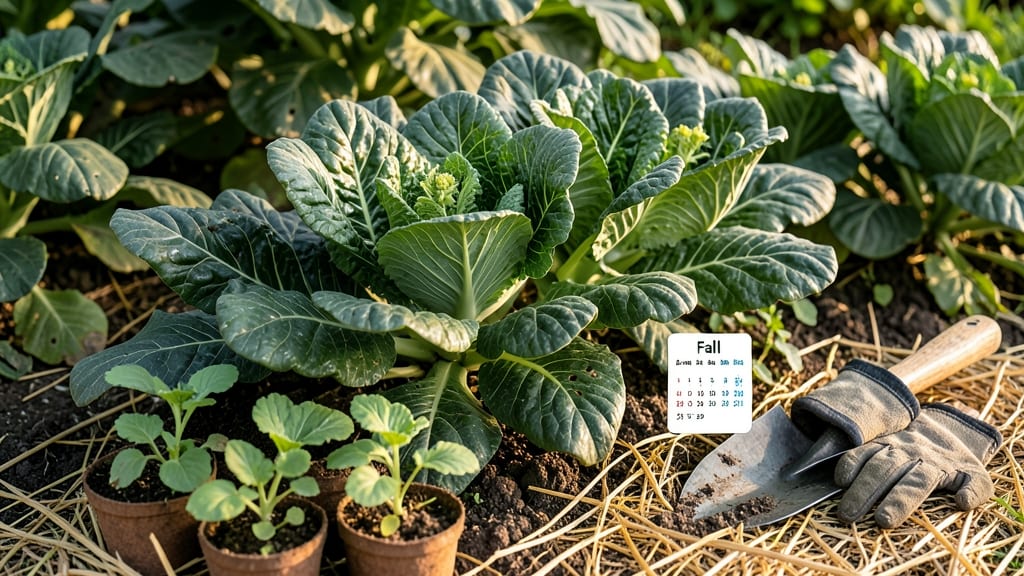
If you're dreaming of a bold winter harvest of tender 🥬 collard greens in Tennessee, when to plant collard greens in Tennessee is the first step to success.
Planting them at the wrong time can mean bitter leaves or stunted growth, but get it right, and you'll enjoy fresh greens straight from your garden for months.
Tennessee's Zone 7b climate gives you two perfect windows to plant collard greens: early spring and late summer. These hardy greens thrive in cooler weather, making them ideal for our mild winters.
Whether you're a seasoned gardener or just starting, knowing the best months to plant will set you up for a harvest that's sweeter and more abundant than ever.
In this guide, I'll walk you through the exact planting schedule for your region, including how to prepare your soil and protect your plants from early and late frosts. You'll learn why March and August are the sweet spots for planting and how to extend your harvest well into winter.
Ready to grow collard greens that outshine the competition? Let's dive into the Zone 7b planting timeline that will transform your garden into a winter green machine.
Optimal planting windows for collard greens in Tennessee (Zone 7b)
Tennessee’s Zone 7b climate gives you two prime windows to grow collard greens: early spring and late summer. The key is avoiding extreme heat (which causes bolting) and hard frosts (which damage tender leaves).
Most gardeners in Nashville, Chattanooga, and Knoxville swear by a fall planting for winter harvests, but spring works too if you act fast.
For spring planting, aim for mid-March to early April once soil temperatures hit 40°F. This gives plants time to mature before summer’s heat. In fall, plant late August to early September—6 weeks before your first frost—to ensure a harvest before winter sets in.
Microclimates matter: higher elevations (like the Smokies) may need adjustments.
Direct sowing is easiest for Tennessee gardeners. Scatter seeds ¼-inch deep in well-draining soil with 6+ hours of sun. If starting transplants, harden them off for 10 days before moving outdoors. Transplanting works best in early spring when soil is workable but not waterlogged.
Here’s the Zone 7b planting timeline at a glance, tailored to Tennessee’s frost-free season (180-210 days):
| Planting Window | Soil Temp | Frost Risk | Best Method |
|---|---|---|---|
| Early Spring (March-April) | 40-50°F | Low (post-last frost) | Direct sow or transplant |
| Late Summer (August-Sept) | 60-70°F | Moderate (pre-first frost) | Direct sow only |
| Fall (Sept-Oct) | 50-60°F | High (frost approaching) | Direct sow + row covers |
Pro tip: Use a soil thermometer to confirm temperatures before planting. In Nashville’s warmer microclimate, you might push spring planting to late April, while Chattanooga’s higher elevation may need earlier starts.
Always check your local frost dates—the Tennessee State University Extension offers free frost calendars for your county.
For fall harvests, plant 60 days before your first frost (typically mid-October in most of Tennessee). This ensures leaves mature before cold snaps. If you’re in Zone 6a (eastern Tennessee), shift planting to July-August to avoid early frosts.
Collards thrive in loamy, slightly acidic soil (pH 6.0-7.0). Amend heavy clay soils with compost or sand to improve drainage. In Tennessee’s humid climate, mulch heavily (straw or leaves) to retain moisture and suppress weeds.
Avoid planting in low-lying areas where cold air pools—opt for raised beds or slopes for better airflow.
One common mistake Tennessee gardeners make? Planting too close together. Space seeds 12-18 inches apart for proper airflow and disease prevention. Overcrowding leads to leaf rot and stunted growth—especially in Tennessee’s humid summers. Thin seedlings to 12-inch spacing once they’re 4 inches tall.
🌱
Optimal planting windows for collard greens in Tennessee (Zone 7b)
Tennessee’s Zone 7b climate offers two prime windows for planting collard greens: early spring and late summer. These cool-season crops thrive when soil temperatures dip below 80°F, making March and August your best bets.
For Nashville’s last frost date (mid-April) and Chattanooga’s slightly earlier frost, timing adjustments are key to avoid bolting or frost damage.
In early spring, sow seeds or transplant seedlings 4-6 weeks before your last frost—typically by March 1st. This gives plants time to establish roots before summer heat arrives.
For a fall harvest, plant August 15th–September 1st to ensure mature leaves before the first frost (mid-October in most areas).
🌱 Zone 7b Collard Green Planting Summary
| Planting Window | Soil Temp | Frost Risk | Notes |
|---|---|---|---|
| Early Spring (March 1–April 15) | 40–60°F | Low (post-frost) | Direct sow or transplant seedlings. |
| Late Summer (August 15–September 1) | 60–75°F | Moderate (pre-frost) | Succession plant for fall harvest. |
| Fall (September 15–October 1) | 50–65°F | High (first frost) | Use row covers for protection. |
For direct sowing, scatter seeds ½ inch deep and 18 inches apart in rows 2 feet apart.
If transplanting, choose 4–6 week old seedlings with 3–4 true leaves for faster establishment. Chattanooga’s cooler microclimate may allow a slightly later spring planting, while Nashville’s heat demands earlier fall sowing to avoid bolting.
Test your soil pH (ideal: 6.0–7.0) before planting. Amend with compost or aged manure to improve drainage, as collards hate soggy roots. Mulch with straw or shredded leaves to retain moisture and regulate soil temperature—critical in Tennessee’s humid summers.
Pro tip: Mark your calendar for August 1st to start succession planting every 2 weeks. This ensures a continuous harvest from October through March, even during light frosts. Just remember—no planting after September 15th unless you’re using row covers!