
Plants
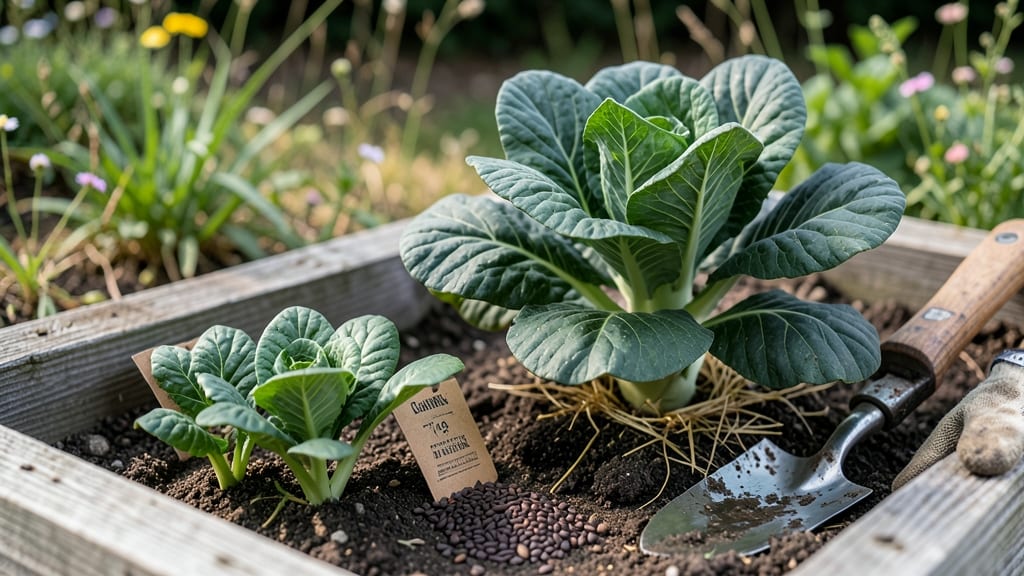
Planting collard greens in South Carolina at the wrong time can turn your 🥬 dreams into bitter disappointment—especially when summer heat or early frosts sneak up. The perfect window is all about timing: too early, and you’ll struggle with heat stress; too late, and frost will ruin your harvest.
Here’s the secret: SC’s USDA Zone 8a gives you two prime chances—spring and fall—where collards thrive without fighting the elements. Whether you’re a first-time gardener or a seasoned green thumb, knowing exactly when to plant means the difference between tender, sweet leaves and tough, stringy disappointment.
I’ll break down the ideal months for your region, how to adjust for coastal vs. inland microclimates, and which heat-tolerant varieties hold up best in SC’s long growing season. No more guessing—just foolproof timing for collards that taste like summer all year.
Ready to grow collards that outperform your neighbors’? Let’s dive into the exact dates and pro tips that’ll have you harvesting like a local by next season.
Best planting times for collard greens in SC: frost dates & seasonal windows
South Carolina’s USDA zones 7b–8a create perfect conditions for collard greens, but timing is everything. These cool-season crops thrive when temperatures stay between 50°F and 75°F, making spring and fall your best bets.
Plant too early, and you’ll face bolting; too late, and heat stress ruins flavor. Let’s break down the ideal windows for maximum yields.
For spring planting, aim for mid-February to early April—about 4–6 weeks before your last frost date (typically March 15). This gives seedlings time to establish roots before summer’s heat arrives.
Inland areas like Columbia or Greenville may need earlier starts, while coastal zones like Charleston can wait until late March due to milder microclimates.
Fall is often the sweet spot for collards in SC. Start seeds late July to mid-August for a harvest before the first frost (usually mid-November). This strategy avoids summer’s brutal heat while capitalizing on cooler autumn days. Succession planting every 2–3 weeks ensures a steady supply of tender leaves.
Here’s a quick reference for SC’s frost-free growing season:
| Season | Planting Window | Harvest Window | Key Considerations |
|---|---|---|---|
| Spring | Mid-February to Early April | May–June | Avoid bolting; mulch to retain moisture |
| Fall | Late July to Mid-August | October–November | Extend season with row covers |
| Summer (Tolerant Varieties) | Early June (with shade) | September | Use heat-resistant types like 'Blue Max' |
If you’re in Zone 8a (common in SC’s coastal plains), you can push spring planting to early April and fall planting to early September. Inland areas (Zone 7b) should start 2–3 weeks earlier to account for cooler nights.
Always check your local Cooperative Extension Service for updates on frost dates—SC’s climate can vary wildly between regions.
For container gardening, start seeds indoors 6–8 weeks before transplanting to give them a head start. Use biodegradable pots to avoid root disturbance when moving to the garden. Harden off seedlings by exposing them to outdoor conditions for 1–2 hours daily starting 2 weeks before transplanting.
Pro tip: Direct-sow seeds in late summer for fall harvests—this skips the transplant shock that can stress young plants. Space seeds 12–18 inches apart in rows 2 feet apart to allow airflow and reduce disease risk. Thin seedlings to the strongest 3–4 per foot once they’re 2–3 inches tall.
Watch for heat stress if summer temperatures exceed 85°F. Provide afternoon shade cloth (30–50% shade) to protect plants while still allowing 6+ hours of morning sun. Drip irrigation keeps roots cool and consistent, preventing the bitter taste that develops when leaves wilt.
Remember: Collards are biennial, meaning they’ll often survive SC’s winters and produce even larger leaves in spring. Mulch heavily with straw or leaves to insulate roots during cold snaps.
With the right timing, you’ll enjoy harvests from spring through fall—and maybe even a bonus crop the next year!
Best planting times for collard greens in SC: frost dates & seasonal windows
South Carolina’s USDA Zone 8a gives you two prime windows to plant collards: spring and fall. The key is avoiding the brutal summer heat while maximizing frost-free growing days.
For spring, aim to plant 4-6 weeks before your last frost date—typically mid-February to early April. This timing ensures your collards mature before summer’s relentless sun.
Fall planting is equally critical. Start seeds 60-90 days before the first frost (usually late July to mid-August), so you harvest before temperatures dip. Coastal areas like Charleston have slightly longer growing seasons, while inland zones near Columbia may need earlier starts to beat frost.
🌱 Collard Greens Planting Timeline for SC
| Season | Planting Window | Harvest Window | Key Consideration |
|---|---|---|---|
| Spring | Mid-February to Early April | May-June | Avoid summer heat stress |
| Fall | Late July to Mid-August | October-November | Beat first frost (Nov 15) |
🌡️ Pro Tip: Use row covers in early spring/fall to extend growing season by 2-3 weeks
For continuous harvests, try succession planting every 2-3 weeks during your ideal windows. This ensures fresh leaves throughout the season. Just remember: collards hate soggy soil, so raise beds or improve drainage in heavy clay areas common across SC.
If you’re in coastal SC, you’ve got a slight edge—warmer microclimates let you plant 1-2 weeks later in spring and hold off frost longer in fall. Inland gardeners should err on the earlier side to avoid heat stress or frost surprises.
One final trick: Direct-sow seeds for faster results—collards don’t transplant well. Space them 12-18 inches apart in rows 2 feet apart to prevent overcrowding, which leads to bitter leaves. With the right timing, you’ll have collards so tender they’ll make your neighbors jealous.