
Plants
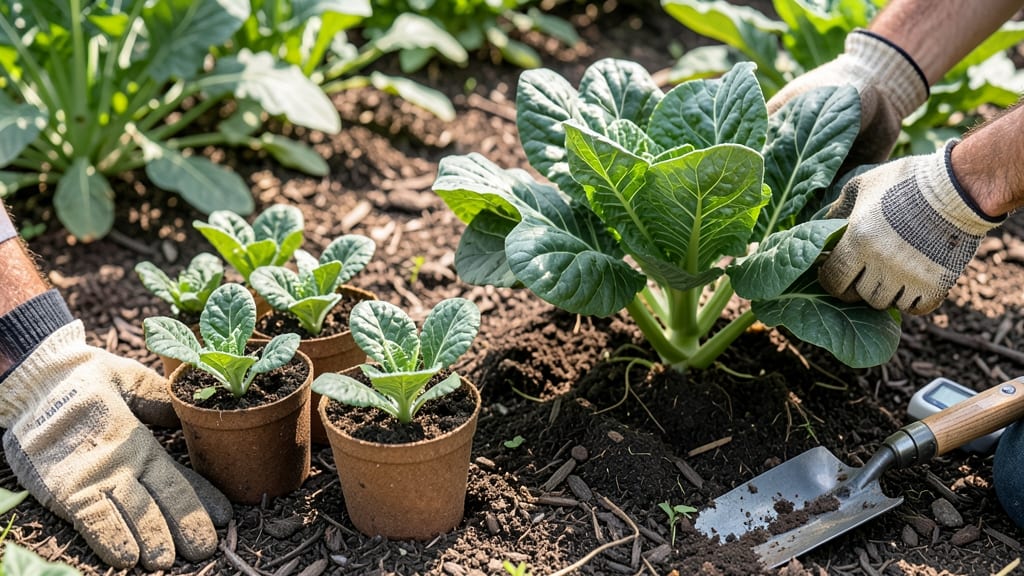
If you’ve ever wondered when to plant collards in Zone 7b, timing is everything—because these leafy greens 🥬 hate summer heat and bolt faster than you can say "southern comfort food."
Plant too early, and frost will nip them before they thrive; too late, and you’ll end up with bitter, tough leaves instead of the tender harvest you crave.
Here’s the good news: Zone 7b gardeners get two prime chances to grow collards successfully—early spring and late summer. Each window offers a different set of challenges, from soil temperature to heat waves, but both can deliver a bountiful fall harvest if you play your cards right.
I’ll break down the exact planting windows that work best in your zone, plus the heat-tolerant varieties that won’t give up on you when temperatures climb.
Whether you’re a first-time gardener or a seasoned green thumb, these tips will help you avoid common mistakes and extend your harvest well into winter.
Ready to grow collards that taste like they came straight from a farmstand? Let’s get started with the perfect timing and pro tips to keep your plants happy—no matter what Zone 7b throws at them.
Optimal planting windows for collards in Zone 7b: avoiding heat & frost risks
In Zone 7b, collards thrive when temperatures stay between 50°F and 75°F. Planting outside this range risks bolting (premature flowering) or frost damage. The best windows are early spring and late summer, but timing depends on your last frost date (typically April 15) and heat tolerance.
Spring planting should begin 4-6 weeks before your last frost—around mid-March—when soil reaches 50°F. This gives seedlings time to mature before summer heat arrives. For fall, aim for late August to early September to ensure harvest before first frost (November 15).
Zone 7b’s 180 frost-free days create a tight window. Miss it, and you’ll face either bitter leaves from summer heat or frost-killed plants. The key is succession planting—stagger seeds every 2-3 weeks in spring and fall to extend harvests.
| Planting Window | Ideal Soil Temp | Risk if Missed | Actionable Tip |
|---|---|---|---|
| Early Spring (March 15–April 15) | 50–60°F | Frost damage or slow growth | Use row covers for late frosts |
| Late Summer (August 15–September 15) | 60–70°F | Bolting from heat stress | Plant heat-tolerant varieties like 'Vates' |
| Fall (September 15–October 15) | 55–65°F | Frost before harvest | Choose quick-maturing varieties (45–60 days) |
For spring planting, start seeds indoors in late February to transplant after last frost. Direct-sow outdoors in March if your soil warms quickly. In fall, prioritize late August for a 60-day harvest before winter sets in.
Zone 7b’s summer heat (often exceeding 90°F) forces collards to bolt. To beat this, use shade cloth (30–50%) during peak afternoon sun. This buys 2–3 extra weeks of harvestable leaves before bolting.
Extend your season further by planting heat-tolerant varieties like 'Georgia Southern' or 'Top Bunch'. These handle 85°F better than standard types, delaying bolting by 10–14 days. Pair them with succession planting for a continuous supply.
If you’re ambitious, try a winter harvest! Collards tolerate light frosts (25–30°F) and taste sweeter after frost. Plant late summer for a December–January harvest, using row covers to protect from hard freezes.
Pro tip: Monitor your soil temperature with a probe. Collards struggle below 45°F or above 80°F. Adjust planting dates if your spring arrives early or summer lingers late—Zone 7b’s microclimates vary wildly!
Remember, timing is everything. A 2-week delay in spring can mean stunted growth, while a late August start ensures sweet, tender leaves before frost. Plan ahead, and your collards will reward you with months of harvests—not just a single bitter batch. 🥬
Optimal planting windows for collards in Zone 7b: avoiding heat & frost risks
Zone 7b gardeners have a 6-week window each for planting collards—either in early spring or late summer. The key is avoiding hot summer days (above 85°F) that trigger bolting, while also dodging early frosts that can damage tender seedlings. Let’s break down the ideal timing and what to watch for in each season.
For spring planting, your best bet is late March to mid-April, once the soil reaches 50°F. In Zone 7b, the average last frost date is around April 15, so aim to get seeds in the ground 4-6 weeks before that date if starting indoors.
If you’re direct-sowing, wait until mid-April to avoid frost damage.
Here’s the critical timeline for spring collards in Zone 7b:
| Stage | Action | Notes |
|---|---|---|
| Late March | Start seeds indoors | Use seed trays with warm mat |
| Mid-April | Transplant seedlings | Soil temp must be 50°F+ |
| May-June | Harvest begins | Pick outer leaves first |
If you miss spring, your second chance comes in late summer, specifically late August to early September. This window lets collards establish roots before fall temperatures drop, giving you a harvest through October and November.
The goal here is to beat the first frost (usually November 15 in Zone 7b) by 8-10 weeks.
For late-summer planting, focus on these key steps:
- Soil prep: Amend with compost to improve drainage and fertility.
- Shade cloth: Use 30% shade for seedlings to protect from late-summer heat.
- Watering: Keep soil consistently moist—drought stress accelerates bolting.
- Succession plant: Sow every 2 weeks until mid-September for staggered harvests.
Pro tip: If you’re in a warmer microclimate within Zone 7b (like near pavement or south-facing walls), push your late-summer planting to early September—but monitor 10-day forecasts for early frost warnings. A row cover can buy you 2-3 extra weeks of harvest time in fall.