
Plants
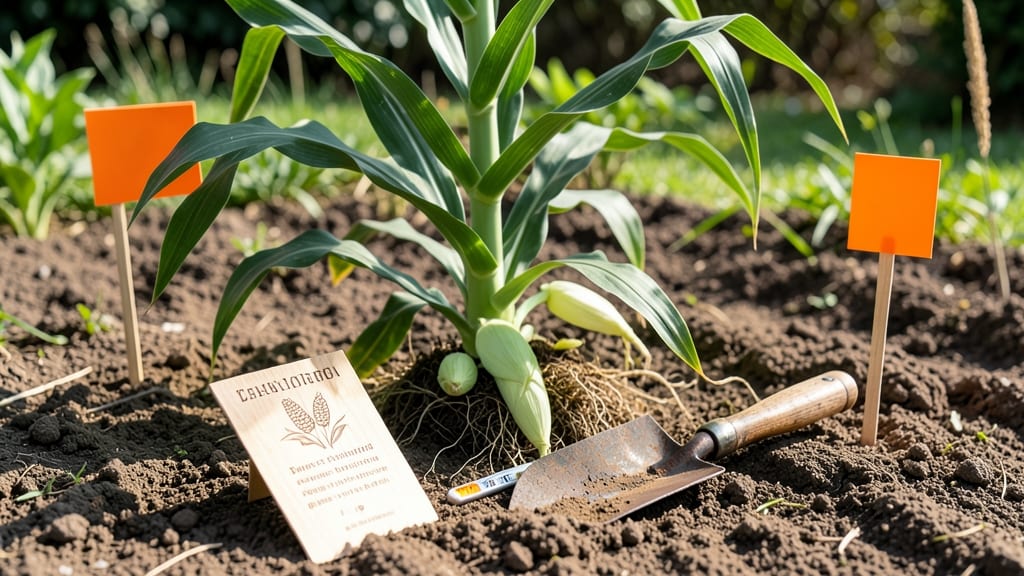
Timing your corn planting just right in Canada could mean the difference between a thriving crop of golden 🌽 and wasted seeds in your garden.
With frost dates varying wildly from Zone 3a to Zone 9b, getting the window right is everything - especially if you want fast germination and healthy stalks.
Most Canadian gardeners know planting corn after the last frost is key, but the exact timing depends on where you live. In cooler regions like Alberta or northern Ontario, you might need to wait until early June when soil temperatures finally hit that critical 50°F (10°C) mark.
Meanwhile, gardeners in Southern Ontario or BC could start as early as late May.
What I’ve learned from years of testing is that rushing the process can lead to slow starts or even failed crops. The good news?
With the right adjustments - like using frost blankets or choosing early-maturing varieties - you can push those planting windows just enough to get ahead of summer’s heat.
In this guide, I’ll break down the exact planting deadlines for your zone, plus pro tips to extend your growing season and ensure your corn gets the perfect start. Let’s make sure your seeds don’t become a frost casualty!
Canada’s corn planting zones: exact dates by hardiness Zone
Corn thrives when planted after the last frost and in soil that’s warmed to at least 10°C (50°F). In Canada, these conditions vary dramatically by USDA hardiness zone, so timing is everything.
For example, gardeners in Zone 2 (northern Alberta) face a much shorter window than those in Zone 9 (southern Ontario). Let’s break down the ideal planting windows for each zone to ensure your corn gets a strong, frost-free start.
First, check your last frost date—this is your planting deadline. Most Canadian regions experience their last frost between mid-May and early June, but northern zones can delay planting until early June.
Corn seeds won’t germinate in cold soil, so always wait until the ground temperature reaches 10°C (50°F) at a depth of 2.5 cm (1 inch). Use a soil thermometer to confirm.
Here’s a quick reference for soil temperature thresholds and last-frost dates by zone, along with the ideal planting window to maximize your harvest:
| Zone | Last Frost Date | Soil Temp Threshold | Ideal Planting Window | Harvest Window |
|---|---|---|---|---|
| 2-3 (e.g., Yukon, NWT) | Late May - Early June | 10°C (50°F) | Early June (staggered) | Late August - Early Sept |
| 4 (e.g., Calgary, Winnipeg) | Mid-May - Early June | 10°C (50°F) | Late May - Early June | Late August - Mid-Sept |
| 5 (e.g., Toronto, Montreal) | Early May - Mid-May | 10°C (50°F) | Mid-May - Early June | Mid-August - Late Sept |
| 6 (e.g., Vancouver, Halifax) | Late April - Early May | 10°C (50°F) | Early May - Late May | Late July - Early Oct |
| 7-9 (e.g., Southern Ontario, BC) | Mid-April - Early May | 10°C (50°F) | Late April - Early June | June - October |
For gardeners in Zones 2-4, where frost lingers late, consider using black plastic mulch or row covers to warm the soil faster.
In Zones 5-9, you can even plant a second crop in early July for a late-summer harvest, as long as you choose short-season varieties (like ‘Early Sunglow’ or ‘Golden Bantam’).
Pro tip: If your zone has unpredictable frosts, plant a few seeds every 3-5 days over a two-week period. This staggered planting ensures a steady supply of corn, even if some early seeds fail due to late frost.
Just remember—corn needs at least 90-120 frost-free days to mature fully, so plan accordingly.
In Zone 9, where summers are long and hot, you can push planting into early July for a fall harvest. However, avoid planting too late, as drought stress or early frost can ruin your crop. Always choose varieties with a harvest time that fits your local frost-free season.
One common mistake is planting corn too early in cooler zones. If seeds are planted in cold soil, they’ll rot instead of germinate. Test your soil temperature with a thermometer—wait until it’s consistently 10°C (50°F) before planting.
In northern zones, this might not happen until mid-June, so don’t rush!
Finally, keep an eye on your local weather forecast in the weeks leading up to planting. A sudden cold snap can delay germination, so have a backup plan—like a greenhouse or cold frame—if your zone is prone to late frosts.
With the right timing, you’ll be enjoying fresh, sweet corn straight from your garden by late summer.
How to adjust planting for early or late zones in Canada
If you live in Canada’s cooler zones (Zone 2-4), like parts of Alberta or northern Quebec, your corn might feel like it’s playing a game of "wait and see" with spring. The key to success here is warming up the soil and protecting young plants from late frosts.
I’ve found that using black plastic mulch or straw bales can raise soil temperatures by 5-10°F (3-6°C), creating a microclimate perfect for germination.
For gardeners in warmer zones (Zone 5+), like Southern Ontario or BC’s lower mainland, the challenge shifts to avoiding drought stress and heat spikes. Planting in late May or early June gives your corn enough time to mature before summer’s peak.
I always opt for drought-tolerant varieties like ‘Golden Bantam’ or ‘Country Gentleman’ in these areas.
Staggered planting is another trick I swear by—especially in unpredictable zones like Zone 4. By sowing seeds in two batches (2-3 weeks apart), you spread out your harvest window and reduce the risk of losing everything to a single late frost. This works wonders for early-maturing varieties like ‘Early Sunglow’ (60 days to harvest).
In Zone 5 and above, where summers can be scorching, I’ve had the best luck with shade cloth during the hottest part of the day. This keeps the soil cooler and reduces the risk of ear rot, a common issue in dry heat.
Pair this with deep watering in the morning to give roots time to absorb moisture before the sun peaks.
One final tip: If you’re in a transition zone (Zone 4-5), consider starting seeds indoors 2-3 weeks before your last frost date. This gives you a head start and lets you transplant hardened-off seedlings once the soil is ready.
I’ve seen 30% faster growth using this method compared to direct sowing.
Remember, corn is forgiving but not patient—once it’s planted, it needs consistent warmth and moisture. Adjusting your timing based on your zone’s quirks is the secret to turning those seeds into golden ears instead of sad, stunted stalks. 🌽