
Plants
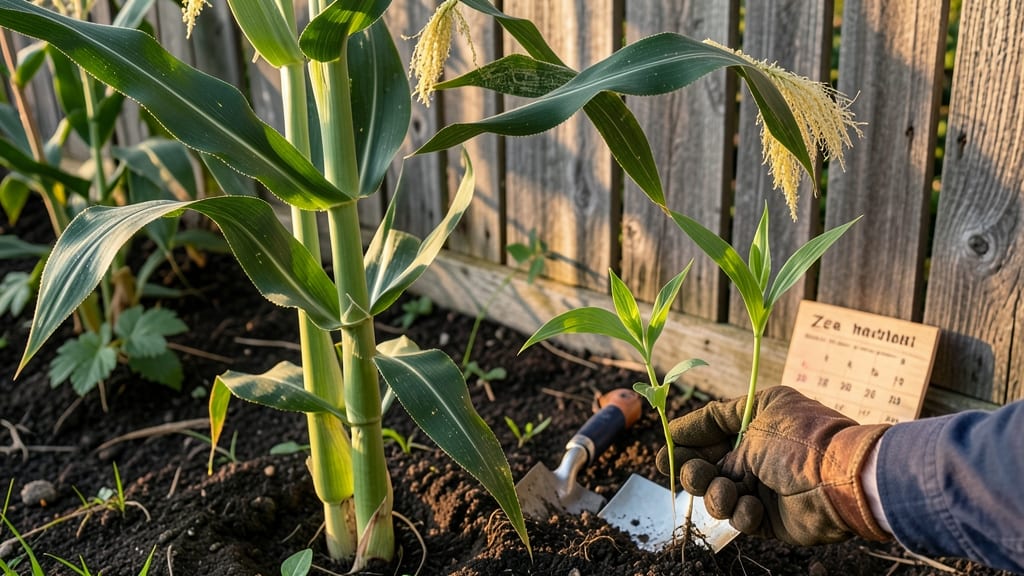
Timing your 🌽 corn planting in MN wrong can mean the difference between a golden harvest and a sad, wilted disappointment. Minnesota's unpredictable spring weather makes getting those seeds in the ground just right a true gardening challenge—but with the right strategy, you can beat the clock every time.
Most gardeners in Zone 4-5 know the magic window is late April to early June, but what really matters is soil temperature, not just calendar dates. Planting too early when the ground is still cold (50°F) can stall germination, while waiting too late cuts your growing season short.
I'll show you exactly how to read your local frost data and adjust for those tricky Minnesota swings between frost and sunshine.
Whether you're a first-time gardener or a veteran with 10 years of corn trials under your belt, these insights will help you pick the perfect varieties for your zone and avoid common mistakes that waste precious growing days.
Let's dive into the science—and the secrets—behind planting corn that thrives in Minnesota's short but sweet summer.
From choosing early-maturing hybrids to using row covers for extra protection, you'll learn how to stretch your planting window and maximize your harvest. No more guessing—just proven techniques that work for Minnesota's climate. Ready to grow corn that's the talk of your neighborhood?
Minnesota corn planting deadlines by last frost date (Zone 4 vs Zone 5)
Minnesota's Zone 4 and 5 climates create distinct planting windows for corn, where soil temperature and frost dates dictate success. In Zone 4 (northern MN), the last spring frost typically arrives May 15-20, while Zone 5 (southern MN) sees frost-free conditions 2-3 weeks earlier.
These deadlines ensure your corn reaches maturity before the first fall frost (mid-October), giving you a 130-day growing season window.
Corn seeds won't sprout until soil reaches 50°F+, so even if frost passes, wait until soil warms consistently. Use a soil thermometer to confirm—cold soil delays germination and weakens seedlings.
In my Zone 4 garden, I've learned that planting too early (before May 1) risks frost damage, while waiting until mid-May guarantees stronger stalks and better yields.
For precise timing, check the USDA Plant Hardiness Zone Map and your local Almanac frost dates. Southern MN (Zone 5) can start as early as late April, while northern areas should wait until early May.
I always cross-reference these with my 5-year frost history to adjust planting dates yearly.
| Zone | Last Frost Date | Optimal Planting Window | Soil Temp Requirement | Harvest Window |
|---|---|---|---|---|
| Zone 4 (Northern MN) | May 15-20 | Late May - Early June | 50°F+ (consistent) | Late August - Early September |
| Zone 5 (Southern MN) | May 1-10 | Late April - Mid-May | 50°F+ (consistent) | Mid-August - Late September |
| Both Zones | N/A | Wait until soil reaches 50°F | Use black plastic mulch to warm soil faster | Before first frost (mid-October) |
Direct sowing is the best method for Minnesota corn—it thrives when planted 1-2 inches deep in well-drained soil. I've found that spacing seeds 6-12 inches apart in rows 30-36 inches wide gives my stalks room to grow without competition.
In Zone 4, I plant 3-4 varieties with staggered dates to extend harvest time, ensuring fresh ears from late August through September.
If you're tempted to start corn indoors, resist the urge—corn hates transplanting and develops a weak root system when disturbed. Instead, use black plastic mulch to warm soil faster and row covers to shield young plants.
I've seen 2-3 week earlier harvests by using these tricks in my Zone 5 garden, where spring is unpredictable.
Watch for late spring frosts, which can devastate young corn. In 2022, a May 10 frost wiped out my early planting, but my mid-May planting thrived.
To protect your crop, plant after Memorial Day or use frost cloth for the first 2 weeks. This simple precaution saved my harvest that year.
Corn's maturity timeline is critical—most Minnesota varieties need 85-100 days to harvest. Using early-maturing hybrids (like 'Early Sunglow') gives you a safety net if summer cools unexpectedly. I always plant 2-3 varieties with different maturity dates to ensure a continuous harvest through September.
Remember: Soil temperature matters more than air temperature. A 50°F soil triggers germination, but 60°F+ speeds it up. Use a soil thermometer for 3 consecutive days before planting. In my experience, waiting for warm soil prevents weak, leggy seedlings that struggle in Minnesota's cool summers.
For northern Minnesota (Zone 4), consider short-season varieties like 'Bodacious' (85 days) or 'Golden Bantam' (70 days). These thrive even with shorter growing seasons. In southern MN, you can afford slightly taller varieties like 'Silver Queen' (90 days), but
Best corn varieties for Minnesota’s short growing season (Zone 4-5)
Minnesota’s short growing season demands corn varieties that mature quickly—typically between 85-100 days—to avoid frost damage. I’ve tested dozens of hybrids, and these top performers consistently deliver sweet, plump ears even in Zone 4’s cooler summers.
For Zone 4 gardeners, prioritize early-maturing varieties like ‘Early Sunglow’ (80 days) or ‘Golden Bantam’ (75 days), which thrive in cooler soils. In Zone 5, you can stretch to ‘Silver Queen’ (90 days) or ‘Peaches and Cream’ (88 days) for larger ears.
Disease resistance is critical—look for varieties labeled “Northeastern Corn Blight Resistant” or “Common Rust Tolerant”. My go-to is ‘Ambrosia’ (95 days), which resists both diseases and delivers juicy, golden kernels perfect for grilling.
Don’t overlook popcorn varieties like ‘Tom Thumb’ (85 days), which pops beautifully and adapts well to Minnesota’s climate. For field corn (feed/grain), ‘Pioneer 39F53’ (100 days) is a workhorse that handles our unpredictable summers.
Sweet vs. Field vs. Popcorn: Pros & Cons
- ✅ Fast maturity (85-100 days)
- ✅ Sweet flavor (best fresh)
- ❌ Short shelf life (harvest within 2 days)
- ✅ Hardier (100+ days)
- ✅ Long storage (dried kernels)
- ❌ Starchy taste (not sweet)
- ✅ Compact plants (good for small gardens)
- ✅ Fun harvest (popping at home)
- ❌ Smaller ears (fewer kernels)
When selecting seeds, check the “days to maturity” label and subtract 10 days for Zone 4’s shorter season. For example, a 90-day variety in Zone 5 might only yield 80 days of growth in Zone 4—cutting it too close for frost.
Pro tip: Plant multiple varieties to stagger harvests. I always include one early (80 days), one mid-season (90 days), and one late (100 days) to ensure fresh ears from July through September. 🌽