
Plants
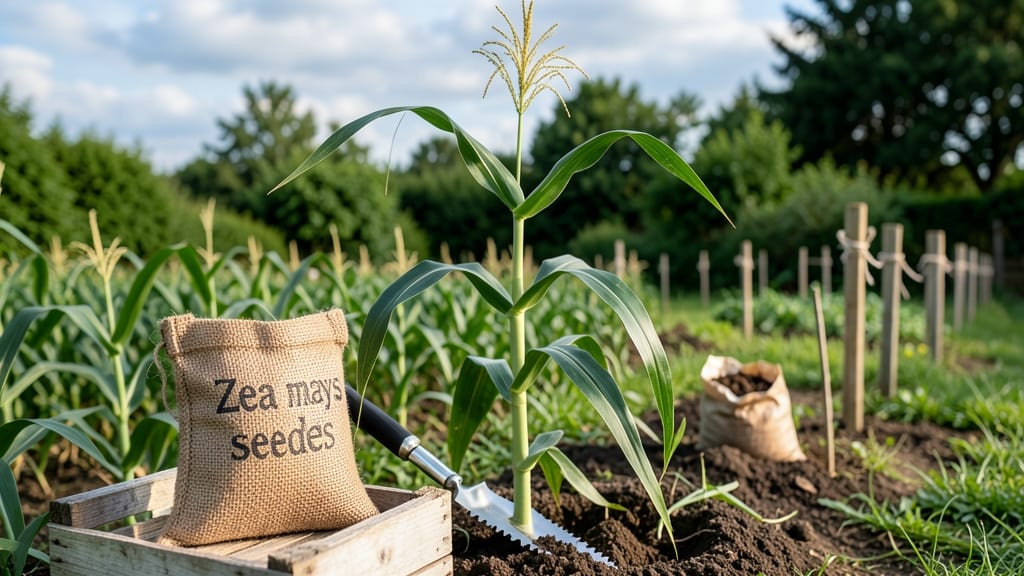
Timing your corn planting just right in New York could mean the difference between a bountiful harvest and wasted effort. Planting corn too early risks frost damage, while waiting too long might leave you with stunted ears or no harvest at all.
I’ve spent years growing 🌽 corn in New York’s 6a zone, and the key is understanding your local frost dates and soil temperature thresholds.
With last frosts typically hitting around mid-April, you’ll want to wait until the soil warms to at least 60°F—usually mid-April to early June—for the best results.
But here’s the thing: New York’s climate isn’t one-size-fits-all. Upstate regions might have slightly different deadlines than NYC, and even microclimates can shift your ideal planting window.
I’ll break down exactly when to plant, how to adjust for unpredictable weather, and which corn varieties thrive best in our shorter growing seasons.
Let’s get your corn off to the right start—so you can enjoy fresh ears from late July through October without the guesswork.
New York’s ideal corn planting soil temperature & frost deadlines
Corn thrives when planted after the last frost and in soil that’s warmed to at least 50°F, but for optimal germination in New York, aim for 60°F+.
Upstate regions like Syracuse typically hit this mark by mid-May, while New York City and Long Island may reach it as early as late April. These differences matter—planting too soon risks frost damage, while waiting too long shortens your harvest window.
New York’s average last frost date falls around April 15, but microclimates near lakes or urban areas can delay frost by 1-2 weeks. For example, Buffalo’s colder winters often mean later planting, while Albany’s milder springs allow earlier starts.
Always check your local USDA Plant Hardiness Zone (5-8) for precise adjustments.
Corn seeds need consistent warmth to sprout—below 50°F, germination slows dramatically. Use a soil thermometer ($10 at garden centers) to verify temperatures before planting. Pro tip: Dark-colored mulch absorbs heat and can raise soil temps by 2-5°F in cooler areas.
Here’s how New York’s regions compare for corn planting readiness:
| Region | Last Frost Date | Ideal Planting Window | Soil Temp Threshold |
|---|---|---|---|
| New York City | April 10-15 | Late April–early May | 60°F+ |
| Long Island | April 15-20 | Mid-April–late May | 58°F+ |
| Upstate (Albany/Rochester) | May 1-10 | Late May–early June | 62°F+ |
| Western NY (Buffalo) | May 10-15 | Early June | 65°F+ |
For southern New York (zones 7-8), you can start indoor seedlings in late March using grow lights, then transplant outdoors after frost. Northern regions (zones 5-6) should wait for direct sowing—corn doesn’t transplant well.
Always choose short-season varieties like ‘Early Sunglow’ (70 days) or ‘Silver Queen’ (85 days) to fit NY’s 120-day growing season.
Watch for false springs—a warm spell in March can trick you into planting early. Corn seeds won’t germinate below 50°F, even if air temps rise. Use row covers if nighttime temps dip below 45°F after planting to protect tender seedlings.
Extend your season by planting succession crops every 2 weeks until mid-June. This ensures continuous harvests through September-October, when NY’s first frost typically arrives. Save seeds from your best ears for next year—heirloom varieties like ‘Country Gentleman’ adapt well to NY’s climate.
Pro tip: Black plastic mulch warms soil faster than bare ground. Lay it down 1-2 weeks before planting to create a microclimate that speeds up germination. Just
Corn planted at the right time yields sweet, plump kernels with minimal pest issues. In NY, late July to early August is prime harvest time—don’t wait too long, or kernels turn starchy and lose sweetness. Mark your calendar for August 1 as your last planting deadline for a fall harvest.
New York’s ideal corn planting soil temperature & frost deadlines
New York’s 🌽 corn planting success hinges on two critical factors: soil temperature and frost dates. Corn seeds won’t germinate reliably until the soil reaches 50°F, but for optimal growth, aim for 60°F+.
In most of New York, this typically aligns with mid-April to early May, though Upstate regions may need to wait until late April.
The last average frost date across New York ranges from April 15 (NYC) to May 1 (Upstate). Planting too early risks frost damage to tender seedlings, while waiting too long may shorten your harvest window.
I’ve found that early June is the absolute deadline for most varieties to mature before fall frosts hit around October 15.
Here’s the breakdown you need for your specific region:
| Region | Last Frost Date | Ideal Planting Window | Soil Temp Threshold | Harvest Window |
|---|---|---|---|---|
| NYC & Long Island | April 15 | Mid-April to May 15 | 60°F+ | Late July to early October |
| Hudson Valley | April 20 | Late April to May 10 | 60°F+ | Late July to October 1 |
| Upstate (Albany, Syracuse) | May 1 | Late April to May 20 | 60°F+ | Late July to September 30 |
| Western NY (Buffalo, Rochester) | May 5 | Late April to May 25 | 60°F+ | Late July to September 20 |
For microclimates like valleys or urban heat islands, you might push planting back by 1-2 weeks to avoid heat stress. Always check your local Cooperative Extension Service for updates, as weather patterns shift yearly.
I’ve had years where late May planting still yielded great corn—it’s all about adjusting for your specific microclimate.
Pro tip: Use a soil thermometer to confirm temperatures before planting. Corn seeds need consistent warmth to germinate, and cold soil can delay sprouting by weeks. I’ve had 30-day delays when planting too early in chilly springs—don’t let that happen to you!
Once your soil hits that 60°F mark, you’re ready to plant. But remember, earlier planting means earlier harvests, so time it right to enjoy sweet corn all summer long. Next, we’ll cover the exact step-by-step planting schedule for NY’s growing zones.