
Plants
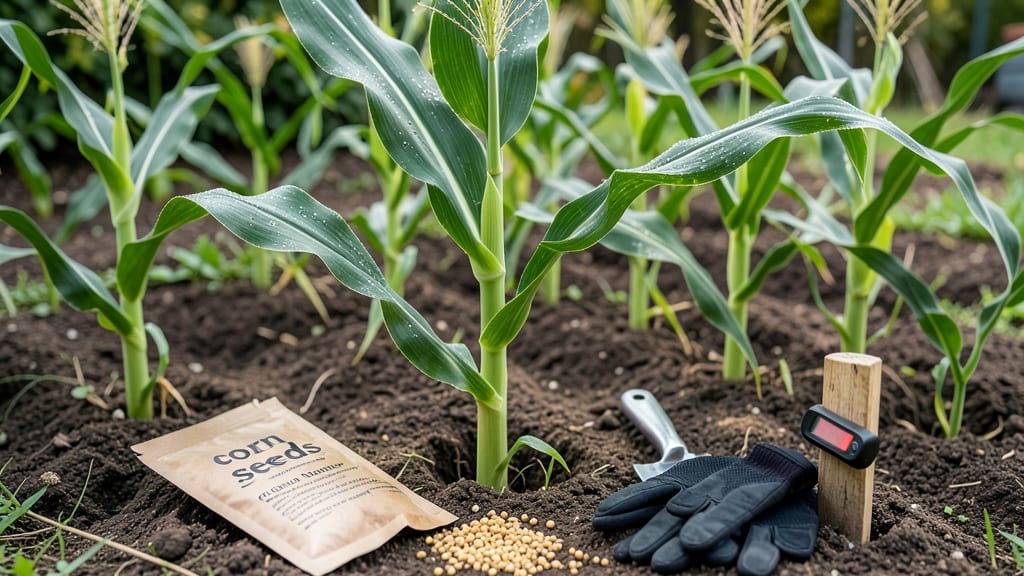
Planting corn in Seattle might seem tricky with its cool, rainy springs and unpredictable weather—but getting the timing right means the difference between sweet, plump 🌽 ears and bitter disappointment.
The key isn’t just waiting for the calendar to say "spring"; it’s understanding how Seattle’s microclimates (like the warmer areas of West Seattle vs. cooler Eastside) shift your planting window by weeks.
Most gardeners in Zone 8A aim for mid-April to early June, but that’s just the starting point. I’ll show you how to adjust for your specific corner of the city, whether you’re dealing with late frosts near Lake Washington or the heat pockets in urban neighborhoods.
With the right approach, you can beat Seattle’s challenges and enjoy homegrown corn by late summer.
Why does this matter? Because corn is a high-stakes crop—it needs consistent warmth and at least 60°F soil to germinate properly. Too early, and frost will nip your seedlings; too late, and your ears won’t mature before the first frost in October.
I’ll walk you through the exact steps to time your planting for success, no matter where you garden in the Emerald City.
Ready to grow corn that rivals the sweetness of your favorite farmers' market finds? Let’s dive into the microclimate-specific dates and strategies that’ll make your 🌽 thrive—even in Seattle’s tricky climate.
Seattle’s best corn planting dates by microclimate zone
Seattle’s Zone 8A climate creates unique challenges for corn growers, with coastal chill in the west and warmer inland pockets like Redmond or Kirkland. To maximize success, align your planting with microclimate-specific windows—typically mid-April to early June, but with critical adjustments based on location.
Urban gardeners in West Seattle or Ballard face cooler, wetter conditions, while Eastside growers enjoy slightly longer seasons. The key is planting 2-3 weeks after your average last frost date (usually April 15), but with soil temperatures above 60°F—a common hurdle in Seattle’s damp spring.
🌽
🌽 Seattle Corn Planting Guide by Microclimate
| Zone | Ideal Planting Window | Key Varieties | Notes |
|---|---|---|---|
| West Seattle (Coastal) | Late April - Early May | Golden Bantam, Country Gentleman | Use black plastic mulch to warm soil; risk of late frosts. |
| Eastside (Redmond/Kirkland) | Mid-April - Late April | Peaches and Cream, Bodacious | Longer season; plant early for first harvest. |
| Urban (Small Yards) | Early May - Early June | Early Sunglow, Silver Queen | Stagger plantings; use containers for space. |
| Rural (Snohomish, King Co.) | Late April - Mid-May | Ambrosia, Honey & Pearl | Warmer microclimates; plant successionally for extended harvest. |
For urban gardeners, prioritize early-maturing varieties like Early Sunglow (65 days) to fit Seattle’s 165-day frost-free window. Plant in blocks of 4-6 rows to ensure cross-pollination—corn is wind-pollinated, so isolation is critical for sweetness.
Inland areas like Bellevue or Issaquah can push planting to early April if soil warms quickly, but coastal zones should wait until late April to avoid chilly soil stunting growth. Test soil temperature with a soil thermometer—corn roots struggle below 55°F.
Pro tip: Use black plastic mulch to raise soil temps by 5-10°F, especially in West Seattle where cool maritime air lingers. Lay mulch 1-2 weeks before planting for best results.
🌿
Seattle’s variable rainfall also demands timing precision. Plant when rainfall tapers off in late spring—May typically offers the driest conditions. If you miss the window, consider succession planting with short-season varieties like Golden Bantam (80 days) to squeeze in a second harvest before frost.
Finally, track your local microclimate using Seattle’s WSU Extension frost maps or Neighborhood Weather Stations. A 3-mile shift inland can add 1-2 weeks to your growing season—critical for corn’s heat-dependent pollination.
☀️
How to adjust planting dates for Seattle’s unpredictable weather
Seattle’s weather can throw off even the most experienced gardeners—one day it’s 60°F and sunny, the next it’s rainy and chilly. For corn, these swings mean the difference between a bountiful harvest and wasted seeds.
The key? Flexible planting strategies that account for Seattle’s infamous false springs and late frosts.
I’ve learned the hard way that planting corn too early—even if the soil feels warm—can lead to frost damage when temperatures dip overnight.
Instead, I now use a two-phase approach: start seeds indoors or in a greenhouse 2-3 weeks before the average last frost date (April 15), then transplant only after the soil consistently stays above 60°F for 5+ days.
For urban gardeners in cooler microclimates (like Eastside neighborhoods near Lake Washington), I recommend pushing planting back to late May and choosing early-maturing varieties like ‘Early Sunglow’ (70 days to harvest). This gives your corn enough time to mature before the first frost in mid-October.
🔍 Pro Tip: Use a soil thermometer to confirm warmth—corn seeds won’t germinate below 50°F, and slow starts lead to stunted plants. If your soil is still cool in May, try black plastic mulch to warm it faster.
Another trick I’ve adopted is staggered planting. Instead of planting all your seeds at once, sow half in late April (if conditions are ideal) and the other half in early June.
This spreads out your harvest window and reduces the risk of losing everything to a single late frost.
🌱 Watch for False Springs: If you see early blooms on fruit trees or wildflowers, it might feel like spring—but corn needs consistent warmth, not just a temporary heatwave. Wait until nighttime lows stay above 45°F before planting outdoors.
For gardeners in warmer microclimates (like West Seattle or Ballard), you can plant as early as mid-April, but always have row covers ready in case of a cold snap. These lightweight fabrics can add 5-10°F of protection and buy you extra time to harden off plants.
Finally, keep an eye on the National Weather Service’s Seattle forecast and local gardening groups (like the Pacific Northwest Seed Savers) for real-time updates.
Last year, I almost lost my entire crop to a sudden frost in early June—until I remembered to check the University of Washington’s AgWeatherNet for hyper-local alerts.
⚠️ Warning: Late Frost Risks
Never plant corn before verifying your microclimate’s last frost date. Seattle’s urban heat islands can delay frost in downtown areas by 1-2 weeks compared to rural zones. Use this rule:
- 🌿 Urban (downtown, West Seattle): Plant 2 weeks earlier than rural areas.
- 🌊 Coastal (Ballard, Shoreline): Wait until May 1 to avoid cold ocean breezes.
- 🏞️ Rural (Eastside, Bellevue): Stick to late April but monitor nighttime temps.
Pro Move: Plant a sacrificial row of fast-growing radishes or peas near your corn. If they survive, your corn is likely safe!
With these adjustments, you’ll avoid the heartbreak of frost-nipped seedlings and instead enjoy homegrown corn by late summer. Next, we’ll dive into the best corn varieties for Seattle’s short growing season—trust me, some perform shockingly well here!