
Plants
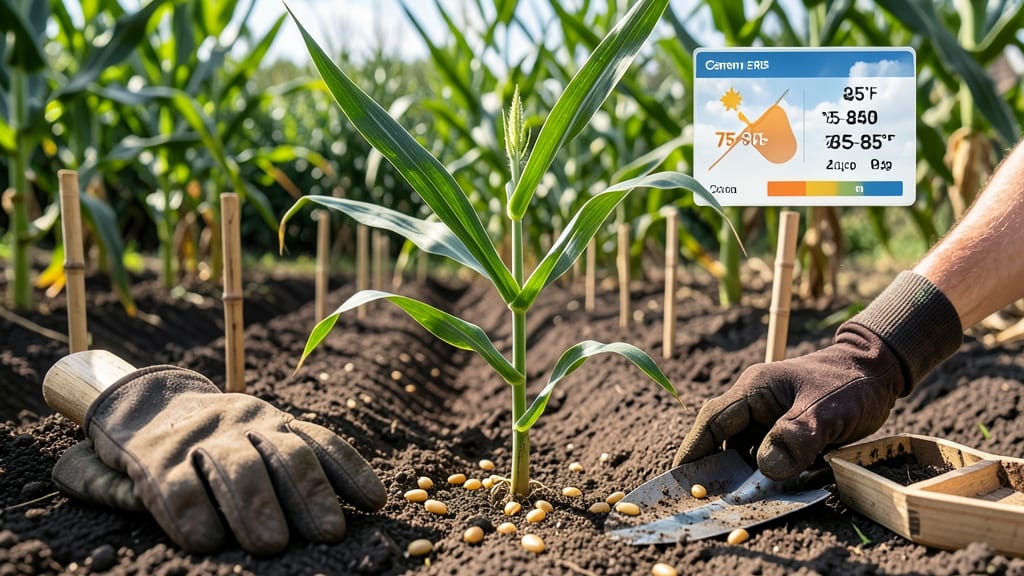
Timing your 🌽 corn planting in Northern California can feel like solving a puzzle—get it wrong, and you might end up with frost-nipped seedlings or stunted ears.
The key isn’t just waiting for spring; it’s understanding your microclimate, whether you’re in the foggy coastal zones of 7b or the warmer valleys of 9a.
Most gardeners in this region plant between mid-April and early June, but that window shifts dramatically depending on elevation and proximity to the ocean. Too early, and a late frost could wipe out your crop; too late, and you’ll miss the sweet spot for a summer harvest.
I’ll show you how to pinpoint the perfect moment for your specific location, so you can go from seed to ear with confidence.
Beyond dates, soil temperature and variety matter just as much. Sweet corn needs 60°F+ soil to germinate, while popcorn varieties can handle cooler starts—but neither will thrive if planted too close to frost.
I’ll break down the best practices for soil prep, spacing, and even succession planting to keep your kitchen stocked from July through October.
Ready to grow corn that rivals your favorite farm stand? Let’s dive into the science-backed strategies that turn Northern California’s diverse climates into your corn-growing advantage—no guesswork required.
Northern California corn planting dates by microclimate Zone
Northern California’s microclimates create dramatic differences in corn planting success. Coastal areas like San Francisco and Santa Cruz have cooler, foggier springs, while inland valleys such as Sacramento and Stockton warm up faster. These variations mean your planting window could shift by 4-6 weeks depending on location.
To pinpoint your exact dates, check your last average frost date (typically March 15 for most regions) and wait until soil temperatures consistently reach 50°F+. Corn seeds won’t germinate below 55°F, so rushing can leave you with stunted plants or no harvest at all.
Here’s how to adjust your planting schedule based on your microclimate, with soil temperature thresholds and harvest windows included for each zone:
| Zone | Last Frost Date | Ideal Planting Window | Soil Temp Threshold | Harvest Window |
|---|---|---|---|---|
| Coastal (e.g., San Francisco, Santa Cruz) | April 15–May 1 | Late May–early June | 55°F+ (wait for fog to lift) | August–September |
| Valley (e.g., Sacramento, Stockton) | March 1–March 15 | Mid-April–early May | 50°F+ (soil warms faster) | July–early October |
| Foothills (e.g., Chico, Redding) | March 10–March 25 | Late April–mid-May | 52°F+ (cooler nights) | July–September |
| Desert Nearby (e.g., Palm Springs edge) | February 15–March 1 | Early April–mid-April | 60°F+ (hotter soil) | June–August |
For coastal gardeners, patience is key—wait until May 15 or later to plant, even if soil looks ready. The marine layer can delay warming for weeks. In contrast, valley growers can start as early as April 1 if soil is above 50°F.
Use a soil thermometer to confirm readiness; corn seeds need 60°F+ soil for reliable germination. If your area has unpredictable frosts (like the Bay Area’s late-May chill), opt for late-maturing varieties or use row covers for extra protection.
Pro tip: Plant succession crops every 2 weeks to stretch your harvest. For example, if you plant your first batch in mid-May, follow with another in early June and a final batch in late June to enjoy corn through September.
If you’re in a transition zone (like Sonoma County), split your seeds between early and late varieties. This hedges your bets against unexpected cold snaps while ensuring a longer harvest window.
Remember, corn thrives on warmth, so prioritize sun exposure and well-draining soil. Amend clay-heavy areas with compost to improve drainage, and avoid planting where tomatoes or peppers grew last year to prevent so
How to adjust planting dates for early vs late varieties
Choosing the right corn variety is just as critical as timing, since sweet corn (70-90 days) and popcorn (90-120 days) have wildly different needs.
Early varieties like 'Silver Queen' mature in 75 days, making them ideal for cooler coastal zones, while late varieties like 'Country Gentleman' (110 days) thrive in warm inland valleys for fall harvests.
For succession planting, stagger your planting dates every 2 weeks from mid-April through early June. This ensures a steady supply of fresh ears from July to October. In USDA Zone 7b (coastal), start with early varieties in late April and switch to mid-season types by mid-May.
In Zone 9a (valleys), you can push planting to early June for late-season varieties, but monitor soil temperatures—they must stay above 60°F for germination. Pro tip: Use a soil thermometer to avoid false starts in unpredictable microclimates.
🌽
🔢 Key Planting Adjustments by Variety
- Sweet Corn (70-90 days): Plant late April–mid-May in coastal areas; early May–June in valleys. Best for summer harvests.
- Mid-Season Corn (90-100 days): Ideal for succession planting—start mid-May in Zone 7b, late May in Zone 9a.
- Popcorn (100-120 days): Plant late May–early June for fall harvests; requires longer growing season.
- Field Corn (120+ days): Only viable in Zone 9a valleys; plant early June for late-October harvests.
If you’re aiming for a continuous harvest, pair early and late varieties. For example, plant 'Ambrosia' (85 days) in late April and 'Bodacious' (110 days) in early June. This creates a 3-week harvest window without gaps.
For container growing, opt for dwarf varieties like 'Golden Bantam' (75 days) and plant in early May—they mature faster in limited space. Just ensure your pots are 12+ inches deep to accommodate roots.
Remember: Harvest timing depends on silk color, not days after planting. Watch for brown, dry silks and kernels that dent easily—this is your cue to pick before birds or squirrels beat you to it!