
Plants
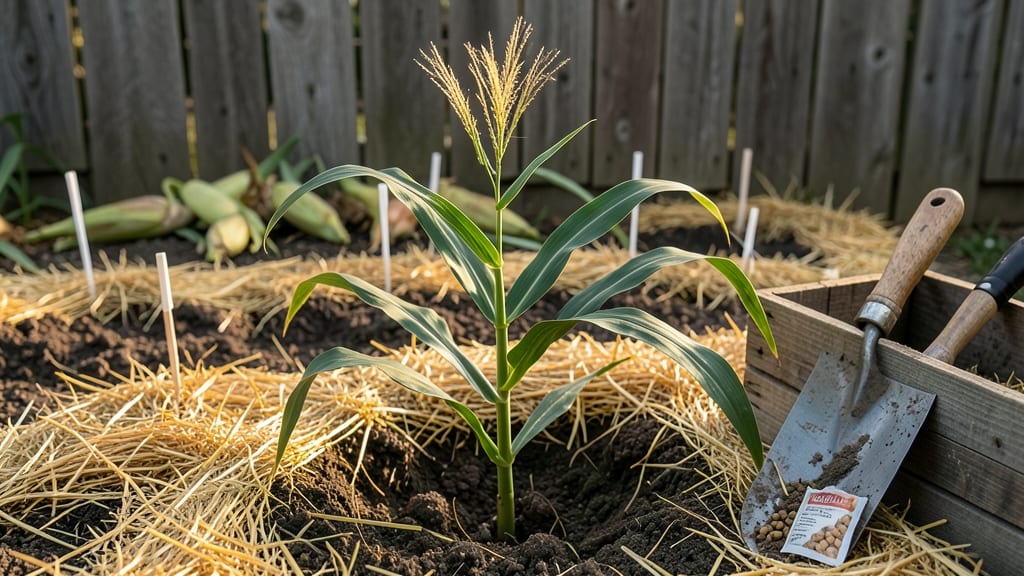
Planting corn in San Diego at the wrong time means the difference between sweet, juicy ears and tough, starchy failures—especially when coastal breezes and inland heat play tricks on your schedule. Unlike other crops, corn thrives on consistency, and San Diego’s Zone 10a climate demands precision to avoid heat stress or stunted growth.
Most gardeners assume spring is the only window, but the truth is more nuanced. The ideal planting window stretches from early March through April, when soil temperatures hit 60°F+—a critical threshold for germination.
Miss this, and you risk immature harvests or ears that never fully develop, no matter how much you water.
Here’s the game-changer: San Diego’s microclimates create three distinct planting zones. Coastal areas like La Jolla can start slightly earlier, while inland spots near Escondido may need to wait until late March to avoid summer’s brutal heat.
I’ll break down the exact weeks for each, plus how to adjust for unpredictable weather patterns.
Ready to grow corn that’s plump, sweet, and ready by June? Let’s dive into the microclimate-specific schedule that turns guesswork into guaranteed harvests—no more wasted seeds or half-baked ears.
San Diego’s 3 microclimates & their ideal corn planting weeks
San Diego’s diverse geography creates three distinct microclimates that dramatically affect corn planting success. Coastal areas like La Jolla experience cooler temperatures and ocean breezes, while inland cities such as Escondido and valley regions like Chula Vista face hotter, drier conditions.
Planting at the wrong time in these zones can lead to stunted growth or even failed harvests.
Unlike northern climates, San Diego never experiences frost, but soil temperature and day length still dictate the perfect planting window. Corn thrives when soil reaches at least 60°F—a threshold typically met in late February to early March across most regions.
However, coastal areas may need a 2-3 week delay due to lingering marine layer chill.
Here’s how to align your planting with San Diego’s unique conditions for maximum ear production and sweetness. The key is matching your location’s microclimate characteristics with the right variety and timing.
| Microclimate | Ideal Planting Window | Soil Temp Threshold | Best Varieties | Harvest Window |
|---|---|---|---|---|
| Coastal (La Jolla, Del Mar) | Mid-March to early April | 60-65°F (cooler nights) | 'Golden Bantam', 'Country Gentleman' | Late June to August |
| Inland (Escondido, Ramona) | Late February to mid-March | 65-70°F (warmer soil) | 'Silver Queen', 'Peaches & Cream' | June to early September |
| Valley (Chula Vista, National City) | Early March to late March | 62-68°F (moderate heat) | 'Ambrosia', 'Bodacious' | Late June to September |
🌽 Note: Coastal areas benefit from shorter-season varieties due to cooler soils.
For coastal San Diego, aim for mid-March planting to ensure ears mature before summer heat stress sets in. The ocean breeze helps moderate temperatures, but soil stays cooler longer—use a soil thermometer to confirm 60°F+ before sowing.
Varieties like 'Golden Bantam' (70 days to harvest) thrive here and produce sweet, tender kernels even in milder conditions.
Inland areas like Escondido can plant as early as late February thanks to warmer soil and longer daylight hours. However, heat tolerance becomes critical—choose heat-resistant varieties like 'Silver Queen' to prevent ear development issues.
The inland climate also allows for successive plantings every 2 weeks to stretch your harvest through summer.
Valley regions such as Chula Vista offer a middle-ground solution, with planting windows that bridge coastal and inland schedules.
These areas benefit from earlier soil warming but still face afternoon heat spikes. Drip irrigation becomes essential here to maintain consistent moisture during critical growth stages like tasseling and ear formation.
Regardless of microclimate, plant depth matters. Sow seeds 1-1.5 inches deep and space rows 30-36 inches apart to accommodate corn’s tall stature (6-12 feet). In coastal gardens, consider windbreaks to prevent lodging, while inland gardens may need shade cloth during peak summer heat to protect young plants.
Pro tip: Test your soil’s pH before planting—corn prefers 6.0-6.8. San Diego’s native soils often lean alkaline (7.0+), so amend with sulfur or peat moss if needed. A simple $10 soil test kit from your local nursery can save you from nutrient deficiencies that stunt growth.
Remember, San Diego’s growing season never truly ends, but corn planted after May risks immature ears or starchy, less sweet kernels. For a fall harvest, try succession planting in late summer with fast-maturing varieties like 'Early Sunglow' (65 days).
🌱
How to adjust planting dates for San Diego’s unpredictable weather
San Diego’s weather is famously unpredictable, with coastal fog one day and inland heatwaves the next. This variability can throw off your corn planting schedule, but with a few smart adjustments, you can still achieve a bountiful harvest.
The key is flexibility—knowing when to push your planting window or when to pull back to avoid heat stress.
First, consider early-maturing varieties like ‘Golden Bantam’ or ‘Silver Queen,’ which mature in 60-75 days. These are perfect for San Diego’s short growing season if you’re planting later in spring or even early summer.
I’ve had success with these varieties planted as late as mid-April in inland areas, where summer heat arrives early.
Next, use row covers to extend your planting window. Lightweight fabric can protect seedlings from unexpected chilly snaps in coastal areas, while also shielding them from hot afternoon winds. I recommend using row covers for the first 2-3 weeks after planting to give young plants a fighting chance.
Monitor soil temperatures closely—corn won’t germinate well below 60°F. Use a soil thermometer to check daily if you’re on the fence about planting. In my garden, I’ve seen soil temps dip unexpectedly in La Jolla due to coastal breezes, delaying germination by a full week.
Watch for heat stress signs like curled leaves or silks that dry out too quickly. If your corn starts showing these symptoms, it’s a sign you’ve planted too late for your microclimate. Inland areas like Escondido may need to plant by late March to avoid this issue entirely.
For a second planting, consider late summer (August) if you’re in cooler coastal areas. This gives corn a chance to mature before fall rains arrive. I’ve grown a small batch this way in Chula Vista, harvesting in October—just in time for holiday feasts!
Finally, keep an eye on forecasted heatwaves. If a stretch of 90°F+ days is predicted, delay planting or provide shade cloth to protect your corn. Heat stress can turn sweet kernels into tough, starchy failures overnight.
🌱 5 Key Adjustments for San Diego’s Weather
- 1. Choose fast-maturing varieties (60-75 days) for late plantings.
- 2. Use row covers for the first 2-3 weeks after planting.
- 3. Monitor soil temps—wait until they hit 60°F+.
- 4. Watch for heat stress (curled leaves, dry silks).
- 5. Consider a late summer planting in coastal areas.
With these adjustments, you can beat San Diego’s weather and still enjoy homegrown corn. The key is staying adaptable—your garden’s microclimate might demand a different timeline than your neighbor’s, so always trust your observations over rigid calendars.