
Plants
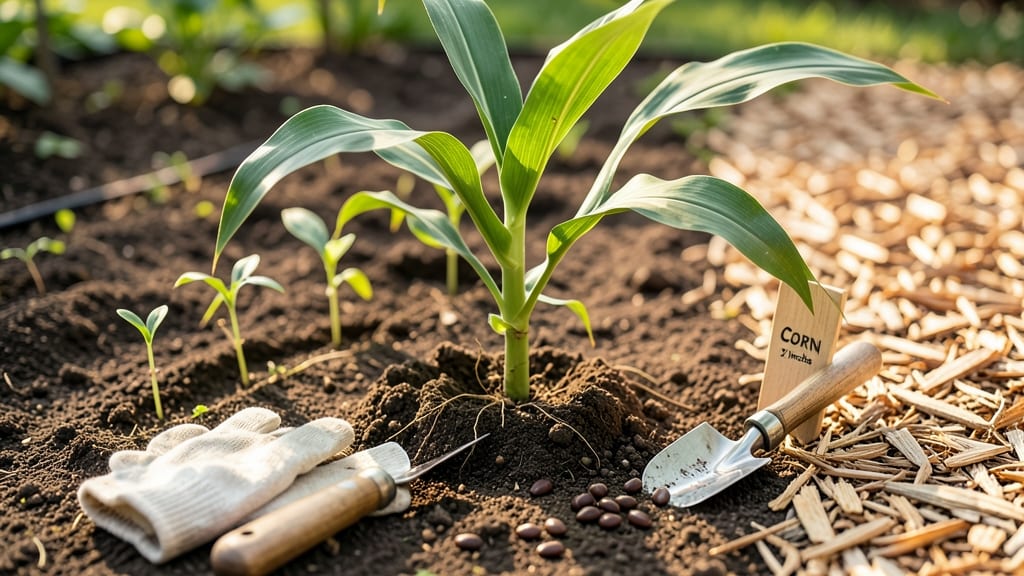
Timing your 🌽 corn planting in West Virginia can make or break your harvest—get it wrong, and you might end up with stunted plants or missed opportunities for sweet, juicy ears.
The 2-3 week window before last frost (around mid-April to early May) is your golden ticket to success, but local microclimates and soil conditions add layers to the equation.
If you’ve ever wondered why some gardeners in your area pull in bumper crops while others struggle, it often comes down to understanding USDA Zone 6a specifics.
From the cooler mountain valleys to warmer river plains, West Virginia’s diverse landscapes mean planting dates can vary by 1-2 weeks depending on where you live.
I’ve dug into local agricultural data to break down exactly when to plant for peak yields, including soil temperature thresholds and how to adjust for elevation. Whether you’re a first-time grower or a seasoned gardener, these insights will help you avoid common pitfalls and maximize your corn’s potential.
Ready to transform your garden? Let’s dive into the precise timing, variety selection, and pro tips that’ll have your corn thriving from seed to harvest—just in time for summer barbecues.
West Virginia’s last frost dates and ideal corn planting windows
West Virginia’s USDA zones 6a-7a create a unique growing window for corn, where timing is everything. The average last frost date ranges from mid-April in southern regions to early May in the northern panhandle.
For peak corn production, aim to plant seeds 2-3 weeks before your local last frost date—this gives seedlings enough time to establish roots before summer heat arrives.
Corn thrives in warm soil temperatures of at least 60°F (15°C). In West Virginia, soil typically reaches this threshold by late April to early May in most areas.
Planting too early risks cold soil stunting or seed rot, while waiting too long may shorten the growing season before first fall frosts (mid-October).
Here’s how to pinpoint your exact planting window using West Virginia’s regional frost patterns:
| Region | Avg. Last Frost | Ideal Planting Window | Soil Temp Goal |
|---|---|---|---|
| Southern WV (Charleston, Huntington) | April 10–15 | March 25–April 10 | 60°F+ |
| Central WV (Morgantown, Clarksburg) | April 15–20 | April 1–April 15 | 60°F+ |
| Northern Panhandle (Wheeling, Martinsburg) | April 25–May 5 | April 10–April 25 | 60°F+ |
| High Elevation (Lewisburg, Elkins) | May 1–10 | April 15–May 1 | 60°F+ |
For maximum yield, plant corn in successive batches every 2 weeks to stagger maturity and extend your harvest. This works especially well in West Virginia’s shorter growing season (about 165 frost-free days).
For example, if your last frost is April 20, plant your first batch around April 5, then follow with two more batches 14 days apart.
Use a soil thermometer to confirm readiness—corn seeds won’t germinate well below 55°F (13°C). If your soil is still cold, consider using black plastic mulch or row covers to warm it faster.
In high-elevation areas, you may need to wait until early May to avoid frost damage to young plants.
Pro tip: Check the West Virginia University Extension Service for your county’s specific frost dates. Their localized data accounts for microclimates that general averages might miss. For instance, valley areas often warm up faster than ridge tops, creating a 1-2 week difference in planting windows within the same county.
Once you’ve nailed your planting window, focus on soil preparation—corn loves well-draining, fertile soil with a pH of 6.0–7.0. Work in compost or aged manure 2–3 weeks before planting to give roots a nutrient boost.
And remember: patience is key—corn takes 60–120 days to mature, depending on the variety.
🌽
How to adjust corn planting for West Virginia’s microclimates
West Virginia’s diverse terrain—from the Appalachian Mountains to the Kanawha Valley—creates microclimates that can shift your corn planting window by up to 2 weeks. If you’re in cooler, higher elevations (like USDA Zone 6a areas), wait until late April or even early May to avoid frost damage.
Meanwhile, gardeners in warmer river valleys (like Charleston or Huntington) can plant as early as mid-April.
Soil temperature is your best guide: corn seeds need soil that’s at least 60°F to germinate properly. Use a soil thermometer to check—if it’s cooler, delay planting or use black plastic mulch to warm the soil faster.
I’ve found that even a 5°F difference in soil temperature can delay germination by a week.
Another trick? Plant in warmer microclimates first—south-facing slopes or near buildings absorb heat and can give you a 10-day head start on frost-prone areas.
For example, my mountain garden in Lewis County often needs row covers until late May, while my friend’s valley garden in Jackson County plants in early April without issues.
⚠️ Watch Out for Cold Soil Surprises
Cold soil can stall germination or cause seed rot. If your soil is below 55°F, try these fixes:
- Black plastic mulch: Warms soil by 5–10°F in 1–2 weeks.
- Row covers: Protects young plants from late frosts.
- Wait it out: Delay planting until soil reaches 60°F.
🌱 Pro Tip: Test soil temp for 3 days—morning readings are often 5°F cooler than afternoon.
Elevation also plays a role: every 1,000 feet higher can push your last frost date back by 3–5 days. For instance, Elkins (3,100 ft) might see frost until May 10, while Morgantown (600 ft) is usually frost-free by April 15.
Check the West Virginia University Extension frost maps for your exact location.
If you’re determined to plant early, use biodegradable row covers to shield seedlings from 28°F frosts. I’ve had success with floating row covers in March for early varieties like ‘Early Sunglow’, but remove them once plants are 12 inches tall to prevent overheating.
Finally, pay attention to soil type: clay soils stay cold longer and drain poorly, while loamy soils warm up faster. Amend heavy clay with compost or sand to improve drainage and warmth.
For example, my clay-heavy garden in Parkersburg needed a 3-week delay compared to my friend’s loamy soil in Fairmont.
By tailoring your planting to your local microclimate, you’ll avoid the heartbreak of frost-nipped corn and enjoy a longer harvest window—just in time for summer grilling. Start with your last frost date, adjust for elevation, and use soil temperature as your final green light.
Your garden (and taste buds) will thank you! 🌽