
Plants
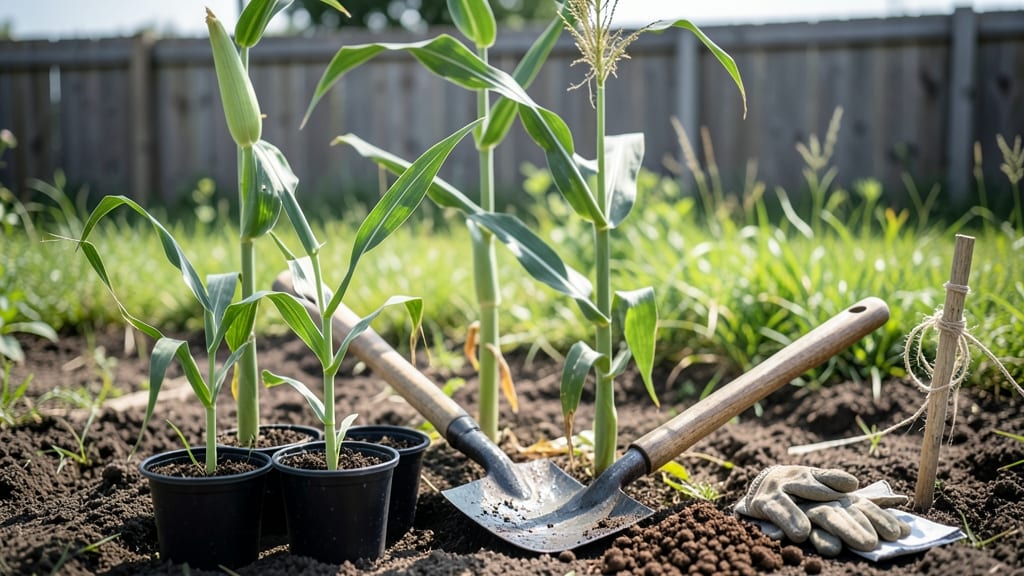
Timing your 🌽 corn planting in Western Washington isn’t just about following a calendar—it’s about outsmarting the region’s famously fickle weather. With 180 frost-free days and microclimates that shift from chilly coastal breezes to warmer inland valleys, one wrong move could mean stunted plants or missed harvests.
Most gardeners here learn the hard way: planting too early risks frost damage, while waiting too late cuts your growing season short. The sweet spot?
Starting between mid-April and early June, when soil temperatures hit 60°F and the last frost has passed—usually around March 15, though that date varies yearly.
But here’s the secret: your exact planting window depends on where you live. Coastal areas near USDA Zone 7b might need to wait until late April, while inland spots in Zone 9a can start as early as late March.
I’ll break down the best strategies for each microclimate so you can grow 90-day varieties like Golden Bantam without guessing.
Ready to turn your corn patch into a high-yielding success? Let’s dive into the exact dates, soil prep tricks, and weather hacks that’ll have you harvesting sweet, plump ears from late July to October—no matter what Western Washington throws at you.
Optimal corn planting dates by Western Washington microclimates
Western Washington’s climate varies dramatically from the coastal fog belts to the Puget Sound lowlands and inland valleys. Each microclimate has its own last frost dates and soil warming patterns, which directly impact when you should plant corn for a successful 90-day harvest.
Getting this timing right means the difference between lush, sweet corn and stunted, disappointing plants.
For coastal areas (e.g., Olympia, Aberdeen), the growing season is shorter due to cooler temperatures and persistent marine layer fog. Inland areas like Yakima Valley or Wenatchee enjoy warmer days and longer frost-free periods, allowing for earlier planting.
Even within the Puget Sound region, Seattle’s urban heat islands can push planting dates 2-3 weeks earlier than nearby suburbs.
Here’s how to match your planting schedule to your local microclimate for maximum success:
To determine your exact last frost date, check the USDA Plant Hardiness Zone Map for your area (Western Washington ranges from Zone 7b to 9a). Local Cooperative Extension offices also provide updated frost data—always plant 2 weeks after the average last frost to avoid surprise chills.
For coastal gardeners, I recommend using black plastic mulch to warm soil faster. Lay it down 2–3 weeks before planting to raise soil temperatures by 5–10°F.
Inland gardeners can skip this step but should still monitor soil temps with a soil thermometer—corn seeds won’t sprout below 50°F, and optimal germination occurs at 60°F+.
Another pro tip: Plant successive crops every 2 weeks in May to stagger harvests. This ensures you’re not overwhelmed with ears all at once and maximizes your 90-day window.
For example, if you plant your first batch on May 15, follow up with another on June 1—just ensure the second batch matures before the first frost (typically October 15 in most areas).
If you’re in a transition zone (like Everett or Shelton), err on the side of later planting. Coastal fog can delay soil warming, and a late May planting often yields better results than an early April attempt.
Always have row covers ready to protect seedlings from unexpected 40°F nights—they can stunt growth or even kill young plants.
Finally, account for rainfall patterns. Western Washington’s wet springs can lead to soggy soil, which slows germination. Amend your soil with compost or sand to improve drainage, and avoid planting in low-lying areas where water pools.
With these adjustments, you’ll be well on your way to a bountiful corn harvest—no matter where you garden in the Pacific Northwest. 🌽
How to adjust planting for Western Washington’s unpredictable weather
Western Washington’s cool, wet springs and early fall frosts can turn corn gardening into a high-stakes gamble. One late frost in May or an unseasonably chilly June can set back your plants by weeks—or worse, kill them outright.
The key to success? Proactive adjustments that protect your seedlings and extend your growing season when Mother Nature throws curveballs.
I’ve learned the hard way that plastic mulch and row covers aren’t just optional extras—they’re survival tools. For example, in Zone 7b coastal areas, I’ve used black plastic mulch to warm soil by 10°F+, letting me plant 2-3 weeks earlier than the calendar suggests.
Without it? My seedlings would sit in cold, soggy soil for weeks, stunting their growth.
Here’s the critical rule: Never plant corn until soil temperatures hit 60°F. A soil thermometer is your best friend—buried 2 inches deep, it’ll tell you when it’s safe.
If your area averages late frosts (like Seattle’s April 15 average), wait until mid-May to plant, even if it feels late. Rushing leads to failure—trust me, I’ve tried.
⚠️ Warning: Late Spring Frost Risks
Western Washington’s April-May frosts are notorious. If your corn emerges with chilly nights (below 50°F), use row covers or frost cloth to protect seedlings. Remove covers by 10 AM daily to prevent overheating—corn needs sunlight to thrive.
🌱 Pro Tip: Plant short-season varieties (like ‘Ambrosia’) in containers for mobility—move pots to sheltered spots during frost warnings.
For gardeners in warmer inland zones (Zone 8a-9a), the challenge shifts to heat and drought in July-August.
Here, I soak seeds before planting to jumpstart germination in dry soil, then mulch heavily with straw to retain moisture. Drip irrigation is a game-changer—it delivers water directly to roots without wetting foliage (which reduces fungal diseases like corn smut).
If your growing season feels too short for 90-day varieties, try succession planting. Start a second batch in early June for a fall harvest before the first frost.
Use fast-maturing hybrids like ‘Bodacious’ (85 days) to squeeze in an extra crop. Just be prepared to harvest by late September—corn won’t tolerate frost.
Finally, watch the weather forecasts like a hawk. The NOAA’s Western Region Climate Center provides 10-day soil temperature predictions—bookmark it! If a cold snap is forecasted, delay planting or use heat mats under seedling trays.
In my Zone 8 garden, this strategy saved my 2022 crop from a May 10 frost that wiped out neighbors’ plants.