
Plants
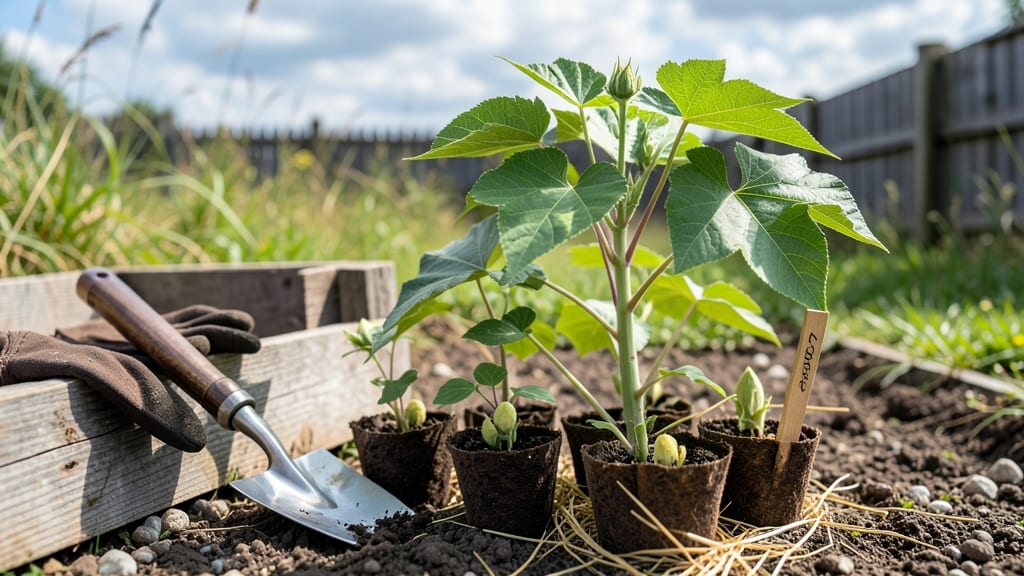
Timing your cotton planting just right in North Carolina could mean the difference between a thriving crop and a disappointing harvest. The key is knowing exactly when to plant cotton in NC—where warm springs and humid summers create the perfect growing conditions, but also demand precision.
For gardeners in zones 7b-8a, the ideal window is late April through early May, right after the last frost. This 🧵 plant thrives when soil temperatures hit 65°F, and planting too early risks frost damage while waiting too long can shorten the growing season.
Let’s break down the exact steps to get your cotton off to the best possible start.
You’ll learn how to prepare your soil, choose the right varieties for your zone, and watch for those critical signs that your planting schedule is on track. Whether you're a first-time grower or looking to refine your method, these insights will help you avoid common pitfalls and maximize your yield.
From adjusting for humidity to managing pests, we’ll cover everything you need to know to make this growing season your most successful yet. Let’s get those seeds in the ground at the perfect moment!
NC frost-free deadlines for cotton planting by Zone 7b vs 8a
North Carolina’s cotton-growing season hinges on precise timing—especially in Zone 7b (cooler) and Zone 8a (warmer). The last frost typically arrives between March 15 and April 15, but soil warmth matters more than air temperature.
Cotton seeds need soil temps of 65°F+ to germinate reliably. In Zone 7b, wait until mid-April to avoid frost, while Zone 8a gardeners can start late March.
Missed the window? Don’t panic. Cotton’s long growing season (150+ days) allows for late April plantings in both zones, though yields may shrink. The key is soil prep—amend clay-heavy NC soils with compost to improve drainage, which cotton despises.
Test your soil’s pH (aim for 6.0–7.0) before planting, as acidic soils stunt growth.
🌱 Critical Deadlines by Zone:
| Zone | Last Frost Date | Optimal Planting Window | Soil Temp Requirement | Frost Risk After Planting |
|---|---|---|---|---|
| 7b | Mid-April | Late April–Early May | 65°F+ (consistent) | Low (if planted after April 15) |
| 8a | Late March | Late March–Mid-April | 60°F+ (minimum) | Very Low (rare frost after April) |
Zone 8a’s earlier start lets you grow longer-season varieties like FiberMax 966, while Zone 7b gardeners should stick to shorter varieties (e.g., Deltapine 1646) to finish before fall frosts.
Use black plastic mulch to warm soil faster in cooler zones—this can shave 1–2 weeks off your planting timeline by raising soil temps by 5–10°F.
NC’s humidity and pests (like bollworms) are bigger threats than frost. Plant after May 1 in Zone 7b or April 15 in Zone 8a to align with pest emergence patterns.
Rotate crops annually to disrupt pest cycles, and consider neem oil sprays for early-season protection. Pro tip: Direct-sow seeds (don’t transplant seedlings)—cotton hates root disturbance.
Track your local microclimate too. Coastal NC (Zone 8a) stays warmer longer, while Piedmont (Zone 7b) can see late frosts. Use a soil thermometer ($10 at garden centers) to confirm readiness.
Plant when temps hit 65°F for 5+ days, not just the forecast high. Patience here = healthier stands and higher yields.
Missed the ideal window? Try fall planting in Zone 8a only—sow August 1–15 for a short-season harvest before first frost. This works for upland cotton varieties but requires drip irrigation to manage NC’s late-summer droughts. Zone 7b’s shorter frost-free season (215 days) makes fall planting risky.
For container growing (e.g., patios or small farms), use 5-gallon pots and plant 2 weeks earlier than ground plantings—containers warm up faster. Add perlite to potting mix to prevent root rot, a common issue in NC’s heavy clay soils.
Elevate pots to improve drainage and airflow, which reduces fungal diseases like Fusarium wilt.
Remember: Cotton’s growth stages are non-negotiable. From seed to harvest takes 120–180 days, so calculate backward from your first frost date (Nov 15). Zone 7b growers have 190 frost-free days—enough for mid-season varieties but not long-season types.
Zone 8a’s 220+ days opens doors for high-yield hybrids like Stoneville 506.
Start seeds indoors 4–6 weeks before your zone’s last frost if using transplants (though direct-sowing is better). Use heat mats to maintain 70–75°F soil temps for faster germination. Once seedlings have 2–3 true leaves, harden them off for 7–10 days before transplanting—if you must transplant at all.
How to adjust planting dates for cotton varieties in NC
Not all cotton varieties thrive on the same schedule in North Carolina’s 7b-8a zones. Short-season types like Deltapine 1646 need an earlier start, while long-season varieties such as FiberMax 966 demand more time. Your choice directly impacts your harvest window and yield potential.
For Zone 7b, where frost lingers slightly longer, aim to plant short-season cotton by April 15 and mid-season varieties by May 1.
In Zone 8a, you’ve got a little more flexibility—late April to early May works for most types, but long-season cotton should go in by April 20 to avoid heat stress.
| Variety | Zone 7b Planting Window | Zone 8a Planting Window | Days to Maturity |
|---|---|---|---|
| Deltapine 1646 (Short-Season) | April 15–April 30 | April 10–April 25 | 120–135 days |
| Stoneville 506 (Mid-Season) | May 1–May 15 | April 20–May 5 | 140–150 days |
| FiberMax 966 (Long-Season) | April 20–May 5 (risky) | April 15–April 30 | 150–165 days |
Soil temperature is your secret weapon for adjusting planting dates. Cotton seeds won’t germinate well below 65°F, so use a soil thermometer to confirm readiness. If temperatures dip, opt for warm-season varieties or delay planting until conditions stabilize.
Humidity in NC can also play tricks on your schedule. Areas like the Piedmont region may need earlier plantings to avoid fungal diseases that thrive in damp conditions. Conversely, the Coastal Plain can handle slightly later dates thanks to its longer growing season.
Pro tip: If you’re unsure about your local frost dates, check the NC State Climate Office or use a frost-free date calculator. Adjust your planting by 1–2 weeks based on their data for your specific county. Timing isn’t just about the calendar—it’s about listening to your local microclimate.
For container growing, start seeds indoors 6–8 weeks before your target outdoor date. This gives you a head start and helps you avoid rushing the outdoor transition when temperatures fluctuate. Just remember, cotton plants hate cold feet, so harden them off gradually before transplanting.