
Companion Plants
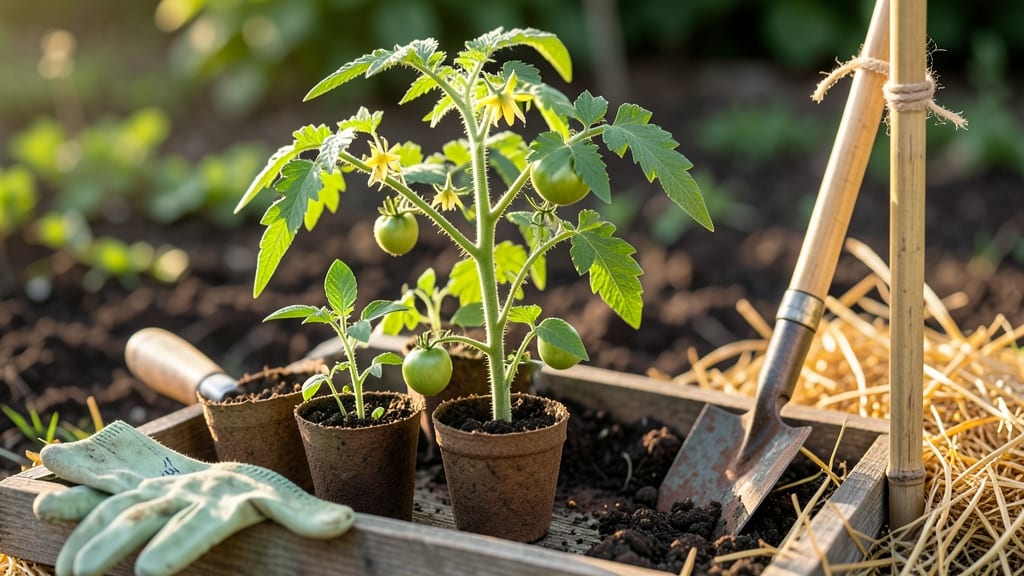
If you're asking "when do I plant tomatoes in NC", timing is everything—because one wrong move could mean the difference between a 🍅 bounty and a sad, wilted disappointment.
North Carolina’s varied climate, from the mountains to the coast, means your neighbors might be harvesting while you’re still waiting for warm soil.
The ideal window for planting tomatoes in NC runs from mid-April to early June, right after the last frost (usually around April 15 in most zones). But if you’re in the Piedmont or mountains, cooler springs might delay things by a few weeks.
For a fall harvest, late July to early August gives you a second chance at juicy tomatoes before winter sets in.
Whether you’re starting with seeds or seedlings, soil temperature matters more than dates. Aim for 60°F+—any cooler, and your plants will struggle. And here’s the pro tip: in NC’s humid summers, mulching and shade cloth can help your tomatoes thrive when the heat ramps up.
Ready to grow? I’ll break down the best varieties for your zone, how to stretch your season, and what to watch for—so you can go from seed to salad in no time.
NC planting zones & frost-free dates for tomatoes (2024 guide)
North Carolina’s diverse climate—from the cool mountain air of Asheville to the humid coastal plains of Wilmington—means tomato planting times vary dramatically across just 150 miles. Getting the timing right ensures your plants thrive, not just survive.
The key? Knowing your USDA zone and adjusting for microclimates like urban heat islands or sheltered valleys.
Most of NC falls within USDA Zones 7a-8b, but even within these zones, last frost dates can shift by 2-4 weeks. For example, Raleigh (Zone 7b) typically sees its last frost around March 15-April 1, while Charlotte (Zone 7b-8a) might be frost-free by March 20-April 5.
Mountain regions like Boone (Zone 6b) can wait until May 1 or later.
Here’s the critical rule: Plant tomatoes 2-3 weeks after your average last frost date, but only when soil temperatures hit at least 60°F. Cold soil stunts root growth, leaving plants vulnerable to disease. Use a soil thermometer to check—if it’s cooler, wait.
For fall planting, aim for late July to early August in most zones. This gives tomatoes 80-90 days to mature before the first frost (usually October 15-November 1). In cooler zones like Zone 6b, start seeds indoors in June for transplanting by July 15.
Coastal NC gardeners face extra challenges: humidity and heat can stress plants, while sandy soils dry out fast. In these areas, opt for early-maturing varieties (like ‘Celebrity’) and use mulch to retain moisture.
Mountain growers should focus on heat-tolerant varieties (e.g., ‘Solar Fire’) to handle the intense summer sun.
🌱
| Zone | Last Frost Date | Best Planting Window | First Frost | Notes |
|---|---|---|---|---|
| 6b (Mountains: Boone, Asheville) | May 1 | May 15-June 15 | October 15-November 1 | Cool nights; use row covers. |
| 7a (Piedmont: Greensboro, Raleigh) | March 20-April 1 | April 15-May 15 | October 30-November 10 | Moderate heat; mulch heavily. |
| 7b (Coastal Plains: Fayetteville, Wilmington) | March 15-April 1 | April 1-May 10 | November 1-15 | Humid; choose disease-resistant varieties. |
| 8a (Southern NC: Lumberton, Jacksonville) | February 15-March 1 | March 1-April 15 | November 15-December 1 | Long growing season; succession plant. |
If you’re unsure of your exact last frost date, check the NC State Climate Office or use a local weather app like Weather Underground. For urban gardeners, city heat can push frost dates back by 1-2 weeks, so monitor your microclimate closely.
For container gardening, soil warms faster in pots, so you can plant 1-2 weeks earlier than in-ground. Just ensure containers have drainage holes and use lightweight potting mix to prevent overheating. Black pots absorb more heat, which can be an advantage in cooler zones.
Pro tip: Start seeds indoors 6-8 weeks before your target planting date if you’re in a shorter-season zone (Zone 6b). Use a seedling heat mat to speed up germination—tomato seeds need 70-80°F soil to sprout consistently.
🌿
Best tomato varieties for NC’s short vs. long growing seasons
North Carolina’s diverse climate—from the cool mountain air of Asheville to the humid heat of Raleigh—means not all tomato varieties thrive equally. If you’re in Zone 7a (mountains), you’ll need early-maturing types to beat frost, while Zone 8b (coastal) gardeners can push the season longer.
The key is matching your frost-free window (180–240 days) with varieties that ripen before winter’s chill.
For short seasons (Zone 7a), prioritize early-maturing hybrids like ‘Celebrity’ (65 days) or ‘Mountain Merit’ (68 days). These handle cooler soils and still deliver 10–15 pounds of fruit per plant.
In longer seasons (Zone 8b), heat-tolerant types like ‘Solar Fire’ (70 days) or ‘Arkansas Traveler’ (80 days) shine, resisting cracking and disease in NC’s summer humidity.
Heirlooms like ‘Cherokee Purple’ (80 days) are stunning but risky in short seasons—their rich flavor is worth the gamble if you’re in the Piedmont. For cherry tomatoes, ‘Sungold’ (60 days) is a crowd-pleaser, producing yellow, sweet fruit even in partial shade.
Pro tip: if your season’s under 180 days, stick to determinate varieties (bush types) for faster harvests.
🌱
Short-Season Varieties (Zone 7a)
Long-Season Varieties (Zone 8b)
Don’t overlook disease resistance, especially in NC’s humid summers. Look for varieties labeled ‘V’ (Verticillium) or ‘F’ (Fusarium)—these are non-negotiables for Piedmont and coastal gardens. If you’re in the mountains, where nights stay cool, opt for indeterminate types (vining) to maximize your short season.
Just be ready to prune aggressively to avoid fungal issues.
For container gardening (common in urban NC), choose compact varieties like ‘Tiny Tim’ (45 days) or ‘Patio’ (60 days). These thrive in 5-gallon pots with consistent watering—critical in NC’s drought-prone summers.
And if you’re experimenting, ‘Black Krim’ (85 days) is a showstopper, but save it for Zone 8b where the season stretches into October.
🌿