
Plants
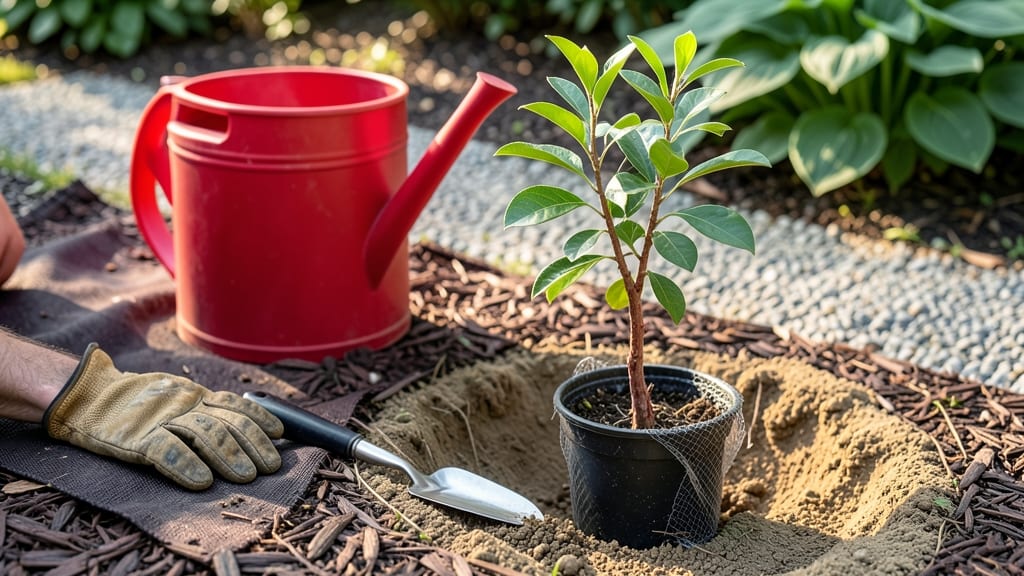
Timing your crepe myrtle 🌸 planting in Florida could mean the difference between a thriving tree and one that fights to survive. Unlike many plants, Florida’s frost-free climate means you can plant year-round—but that doesn’t mean every month is equal.
For the best results, late winter to early spring is your sweet spot. This window lets roots establish before the summer heat, while avoiding the stress of extreme summer humidity. Even in Florida’s 8a-11 zones, cooler months give young trees the best chance to settle in.
If you’re in North Florida, where occasional frosts can sneak in, planting in January or February ensures your crepe myrtle isn’t caught off guard. Meanwhile, South Florida gardeners can stretch their window into early spring without worry.
Ready to plant? I’ll break down the exact months for your zone, plus pro tips to keep your crepe myrtle happy and blooming for years. Let’s get started!
Best planting months for crepe myrtle in Florida by hardiness zone
Florida’s warm climate means crepe myrtle can be planted year-round, but timing still matters for root establishment and bloom success. Unlike northern states, Florida’s frost-free winters (except in Zone 7B) allow for more flexibility—but there’s still an ideal window to maximize growth.
For best results, aim to plant crepe myrtle between January and March. This aligns with Florida’s dry season, when soil is workable and rainfall is minimal, reducing the risk of waterlogged roots.
In South Florida (Zones 10A-11), you can even plant in late fall (November-December), but avoid the peak summer heat.
Here’s how Florida’s 8 USDA hardiness zones break down for crepe myrtle planting:
| Zone | Best Planting Months | Soil Temp (°F) | Key Consideration |
|---|---|---|---|
| 7B (North FL) | February–March | 55–65°F | Avoid late winter frost risk |
| 8A (Central FL) | January–March | 60–70°F | Ideal for root growth before summer |
| 8B (Central FL) | December–March | 65–75°F | Can plant year-round but prefer cooler months |
| 9A (South FL) | November–February | 70–80°F | Avoid peak summer humidity |
| 9B (South FL) | October–February | 75–85°F | Best in dry season |
| 10A (South FL) | September–January | 80–90°F | Year-round possible but prefer cooler months |
| 10B (South FL) | Year-round | 85–95°F | No frost risk; plant anytime |
| 11 (South FL) | Year-round | 90–100°F | Best in early spring or fall |
If you’re in North Florida (Zones 7B-8A), prioritize February-March planting to avoid late-winter frosts that can damage young roots. In Central Florida (Zones 8B-9A), you have a wider window (December-March), but planting in January gives roots time to establish before summer’s heat.
For South Florida (Zones 10A-11), where frost is rare, you can plant year-round. However, I recommend early spring (March-April) or fall (September-October) to align with Florida’s dry seasons and reduce stress from high humidity and intense sun.
Pro tip: If you’re planting in summer (June-August), choose a cloudy day and provide extra shade for the first 2-3 weeks to help the tree acclimate. Mul
Critical factors that determine the perfect planting time
Florida’s climate might seem forgiving, but crepe myrtles still need the right conditions to thrive. The soil temperature is your first clue—ideal planting happens when soil warms to 60°F or above.
In most of Florida, this aligns with late winter to early spring, but North Florida’s cooler pockets may need to wait until March.
Another key factor is rainfall patterns. Florida’s wet season (June-October) can drown young roots, while dry winters may stress them. Planting in January or February gives roots time to establish before summer’s heavy rains. Avoid planting during hurricane season (June-November), when storms can uproot fragile seedlings.
Crepe myrtles also enter a dormancy cycle in late fall, making them less resilient to stress. Planting too late in the season—like April or May—can leave them vulnerable to summer heat before they’ve had time to adapt.
The goal? Give your tree a 3-4 month head start before Florida’s brutal summer heat kicks in.
🌱
Common Mistakes to Avoid
Planting too early: Cold soil (<50°F) can stunt root growth. Planting too late: Summer heat stresses young trees before they establish. Ignoring drainage: Crepe myrtles hate soggy roots—always plant on a slope or raised bed if needed.
Don’t overlook container planting as an option, especially in urban areas. Potted crepe myrtles can be planted year-round in Florida, but they still need well-draining soil and protection from extreme heat. If you’re using containers, choose a fast-draining mix and move pots to shaded areas during peak summer afternoons.
Finally, consider your local microclimate. Coastal areas may have cooler winters, while inland zones can bake earlier. Observe nearby trees—if their leaves are already budding in February, it’s time to plant. If they’re still dormant, wait another month.
Pro tip: Mulch heavily after planting to retain moisture and regulate soil temperature. Use 3-4 inches of organic mulch (like pine straw) and keep it 6 inches away from the trunk to prevent rot.