
Trees
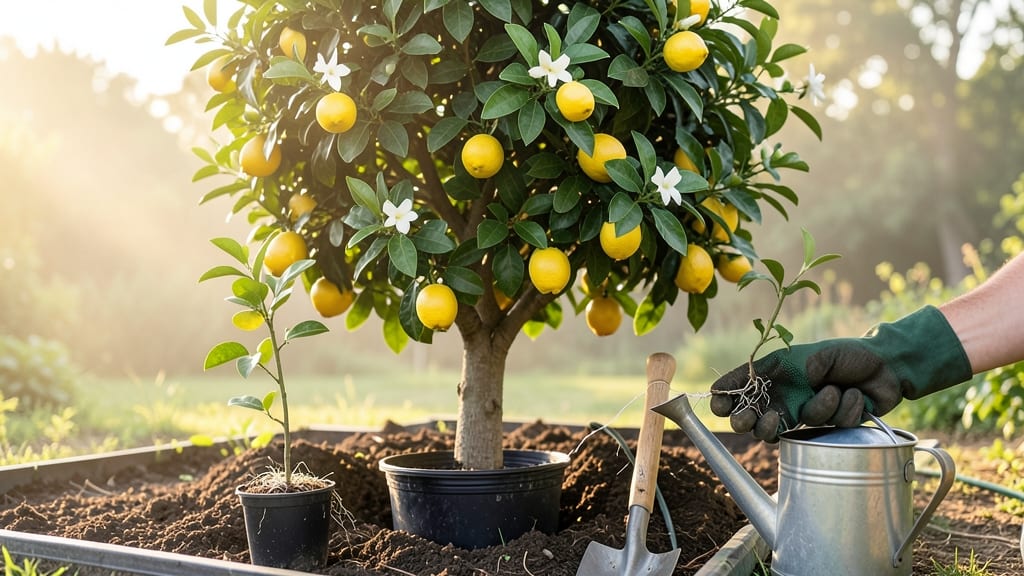
If you’ve ever dreamed of plucking fresh 🍊 from your backyard citrus trees but hesitated about timing, you’re not alone—Central Florida’s warm winters and unpredictable microclimates can make citrus planting tricky.
The wrong window risks stunted roots or heat stress, while the perfect timing unlocks lush growth and bountiful harvests year-round.
Here’s the game-changer: late winter to early spring (February–March) is your sweet spot, when soil warms just enough to encourage root development without summer’s scorching heat. But did you know Tampa’s coastal breezes and Orlando’s inland humidity create slight variations?
We’ll break down how to align your planting with your exact microclimate for foolproof success.
Beyond months, we’ll cover soil prep, frost-free zone nuances (yes, even Florida has them!), and why container vs. in-ground planting changes your timeline.
Whether you’re a first-time grower or a seasoned citrus enthusiast, these insights will help you avoid common mistakes and set your tree up for decades of sweet rewards.
Ready to turn your yard into a citrus paradise? Let’s dive into the science-backed schedule that works for Central Florida’s unique growing conditions—no guesswork, just thriving trees.
Best planting months for citrus trees in Central Florida’s 3 key microclimates
Central Florida’s frost-free zone (USDA 9a-10a) means you can plant citrus trees year-round, but timing still matters. The ideal window balances soil warmth, humidity, and summer heat stress. For Orlando’s inland heat, aim for February-March when soil temps hit 60°F+—perfect for root establishment before summer’s intensity.
Coastal areas like Tampa Bay benefit from November-December planting, avoiding summer’s hurricane risks and giving roots time to settle before spring’s heat surge. Meanwhile, Lakeland’s cooler inland microclimate tolerates January-April planting, with March being the sweet spot for most varieties.
Everbearing varieties like Calamondin or Meyer lemon handle fall planting better than non-everbearing types (e.g., Valencia oranges), which thrive in late winter. Humidity spikes in summer months (June-August) can stress young roots, so avoid planting then unless using shade cloth and extra mulch.
Here’s how Central Florida’s 3 key microclimates differ in optimal planting:
| Microclimate | Best Planting Window | Soil Temp Threshold | Key Consideration |
|---|---|---|---|
| Orlando (Inland) | February–March | 60°F+ | Avoid summer heat stress |
| Tampa Bay (Coastal) | November–December | 55°F+ | Hurricane season risk |
| Lakeland (Inland Cool) | January–April | 58°F+ | Cooler nights slow growth |
For container-grown citrus, adjust timing slightly—plant 1 month earlier in fall or 1 month later in spring to account for root-bound stress. Dwarf varieties like ‘Improved Meyer Lemon’ adapt faster to fall planting than standard trees, making them ideal for urban gardens.
Watch for soil moisture after planting: drought stress in May-June can kill young trees if roots don’t establish. Mulch with 3–4 inches of pine bark to retain moisture and regulate soil temps. In sandy soils (common in Tampa), add compost to improve water retention.
If you miss the ideal window, fall planting (September-October) is your second-best option. Young trees planted then often bloom earlier the following spring, thanks to Central Florida’s mild winters. Just avoid July-August—the humidity and heat create perfect conditions for root rot.
Pro tip: Bare-root citrus (sold in dormant season) can be planted December-February, but container-grown trees offer flexibility year-round. For fastest establishment, choose 1–2 gallon pots over larger sizes—they’re easier to water deeply and establish roots quicker.
🍊
Best planting months for citrus trees in Central Florida’s 3 key microclimates
Central Florida’s three distinct microclimates—Orlando’s inland humidity, Tampa’s coastal breezes, and Lakeland’s slightly cooler winters—each demand slightly different citrus planting timelines.
While February through March remains the gold standard for most varieties, Tampa’s warmer coastal soils allow for earlier planting (as early as January), while Lakeland’s milder winters extend the window to late November.
Citrus trees thrive when soil temperatures hover between 65°F and 75°F—ideal for root establishment without summer heat stress. In Orlando’s USDA Zone 9a, aim for late February to avoid late-winter cold snaps, while Tampa’s Zone 10a gardeners can plant as early as mid-January.
Lakeland’s Zone 9b offers flexibility until early April.
Everbearing varieties like Calamondin oranges and Meyer lemons benefit from November planting—their roots establish before winter dormancy, giving them a head start for spring blooms. Non-everbearing types like Valencia oranges prefer the February–March window to align with Florida’s natural growth cycles.
🍊 Citrus Planting Timeline by Central Florida Microclimate
| Microclimate | Ideal Planting Window | Soil Temp Threshold | Key Consideration |
|---|---|---|---|
| Tampa (Coastal) | Mid-January to early March | 65°F–75°F | Warmer soils; avoid summer humidity |
| Orlando (Inland) | Late February to March | 68°F–72°F | Higher humidity; watch for fungal risks |
| Lakeland (Slightly Cooler) | Late November to early April | 60°F–70°F | Extended window; frost risk rare but possible |
🌡️ Pro Tip: Use a soil thermometer to confirm temperatures before planting—citrus roots need warmth to thrive!
Container planting offers flexibility for all microclimates. Move potted citrus indoors during December–January if temperatures dip below 50°F, then return them outdoors in February. Dwarf varieties like ‘Improved Meyer Lemon’ adapt well to containers, making them perfect for Tampa’s urban gardens or Orlando’s small yards.
For in-ground planting, avoid summer months (June–August)—Florida’s intense heat causes transplant shock, even for drought-tolerant citrus. Instead, prioritize November–March when cooler temps and higher humidity create ideal conditions for root development. Mulch heavily after planting to retain moisture and regulate soil temperature.
Remember: Citrus trees planted in late winter enter their first growing season just as Florida’s spring rains begin, giving them a natural watering boost. With the right timing and microclimate adjustments, your tree will reward you with harvests within 2–3 years—not the 5–7 years some gardeners expect! 🌱