
Plants
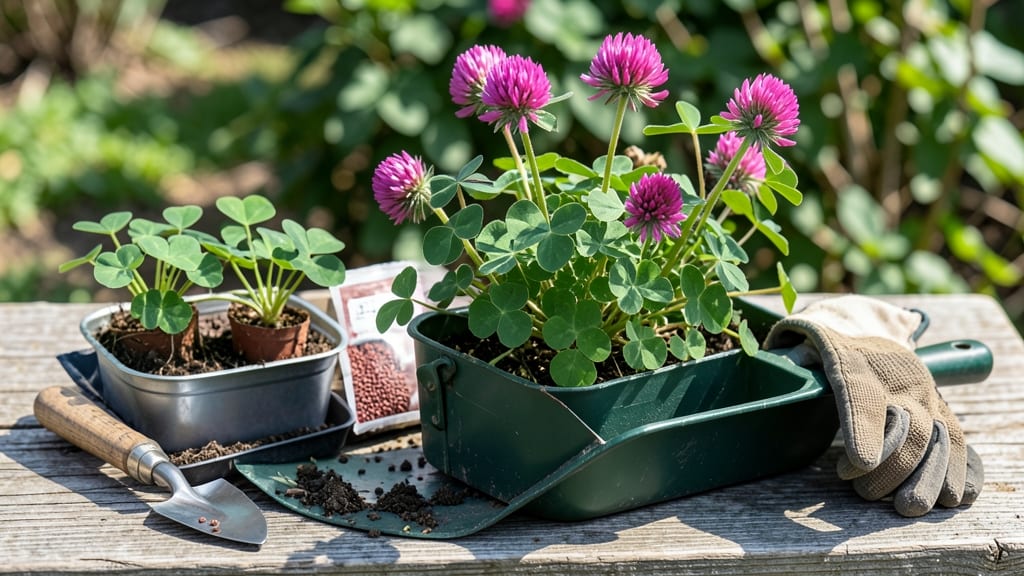
If you're wondering when to plant crimson clover in NC for a lush, thriving cover crop, timing is everything—and getting it right could save you from wasted seeds or weak growth.
This hardy little 🌸 isn’t just pretty; it’s a powerhouse for improving soil health, attracting pollinators, and outcompeting weeds when planted at the perfect moment.
The ideal window in North Carolina’s 7a-8b zones runs from late summer to early fall, specifically between August and September. Planting too early means battling summer’s scorching heat, while waiting too long risks stunted growth before winter’s chill sets in.
Think of it like catching a wave—too soon, and you’re exhausted; too late, and you miss the ride entirely.
Why does this matter? Crimson clover needs 4-8 weeks before the first frost (around mid-October in most of NC) to establish strong roots and leafy growth. That means seeding in early September gives it just enough time to thrive before winter dormancy kicks in.
Skip this window, and you might end up with patchy coverage—or worse, weeds stealing the show.
Don’t stress if your schedule isn’t perfect—we’ll cover how to adjust for late starts or early planting in a minute. But first, let’s dive into the exact weeks before last frost that’ll turn your soil into a crimson-clover dream come spring.
Optimal planting weeks before last frost in NC regions (Chapel Hill to charlotte)
North Carolina’s USDA Zones 7a-8a create a 4-8 week window before the last frost (typically mid-April) for planting crimson clover. This window ensures seeds germinate in 55-65°F soil, avoiding summer heat stress or winter dormancy too early.
For Chapel Hill (Zone 7b), aim for late August to early September—this gives roots 6-8 weeks to establish before cold snaps. In Charlotte (Zone 8a), you have flexibility until mid-October due to milder winters.
Soil moisture is critical: 1 inch of water weekly keeps seeds from drying out. Test soil with your finger—it should feel damp but not soggy at 1-inch depth before planting.
Crimson clover thrives as a cover crop, fixing nitrogen and suppressing weeds. Planting too early (before July) risks heat stress; too late (after October) may leave it vulnerable to frost before root establishment.
| Region | Last Frost Date | Optimal Planting Window | Soil Temp Threshold | Key Cue |
|---|---|---|---|---|
| Chapel Hill (Zone 7b) | April 15 | Late August - Early September | 55-65°F | Daytime highs below 90°F |
| Charlotte (Zone 8a) | April 1 | Early September - Mid-October | 60-70°F | Nighttime lows above 50°F |
| Asheville (Zone 7a) | April 20 | Mid-August - Late September | 50-60°F | First morning frost risk |
Use a seed drill or broadcast seeds at 15-20 lbs per acre for even distribution. Lightly rake soil to 1/4-inch depth—deeper planting reduces germination rates.
Monitor soil pH (6.0-7.0) before planting. Crimson clover struggles in acidic soil (pH <5.5), which stunts nitrogen fixation. Test kits are available at local garden centers for $10-$15.
After planting, mulch with straw (1-2 inches) to retain moisture and regulate soil temperature. This is especially helpful in drought-prone areas like the Piedmont region.
For organic growers, mix seeds with composted manure (1:1 ratio) to boost early growth. Avoid synthetic fertilizers, which can burn young seedlings.
Remember: Crimson clover’s root system needs 6-8 weeks to establish before winter. Planting too close to frost (within 4 weeks) results in shallow roots and poor overwintering.
Signs your planting timing is perfect (or too late) for crimson clover
Knowing the ideal planting window for crimson clover in NC is just half the battle—recognizing when your timing is spot-on (or off) is what ensures success. The best conditions for planting are when soil temperatures hover between 55-65°F and moisture levels are consistent but not soggy.
This usually aligns with late August to early September, but how do you confirm you’ve got it right?
One key sign is weed suppression readiness. If your garden bed is already choked with weeds, planting too late means those weeds will outcompete your clover. Aim for a clean slate with minimal weed pressure before seeding.
Another clue is the soil moisture—press a handful of soil; if it crumbles slightly but holds shape, it’s perfect. Too dry? Wait for rain. Too wet? Delay planting until the ground dries out slightly.
🌱 Here’s the golden rule: Crimson clover needs 4-8 weeks before the first frost to establish roots. If you’re in Chapel Hill (Zone 7a), frost typically arrives by mid-October, so aim for early September planting.
In Charlotte (Zone 8a), you’ve got a little more leeway—plant through early October. Miss this window, and you risk stunted growth or winterkill.
⚠️ Warning: Late Planting Pitfalls
Planting too late (after early September in most of NC) can lead to:
- Weak root establishment—clover won’t anchor before winter dormancy.
- Poor weed competition—weeds will dominate before clover gets a foothold.
- Reduced flowering—less bee forage and soil improvement next spring.
Solution: If you miss the ideal window, consider a late-summer cover crop like austrian winter pea instead.
On the flip side, planting too early (before July) means battling intense summer heat, which can stress seeds and lead to poor germination. Look for soil warmth (test with a soil thermometer) and cooler daytime temps (below 85°F) as signs it’s safe to plant.
Early-morning dew or evening breezes are also good indicators that summer’s worst heat has passed.
Pro tip: Observe your local crimson clover (if any exist nearby). Healthy plants with bright red flowers and upright stems signal ideal growing conditions. If you see yellowing leaves or leggy growth, it’s a red flag that planting timing—or soil conditions—are off.
For NC gardeners in doubt, use the “finger test”: Push your finger 2 inches into the soil. If it feels moist but not sticky, it’s ready for seeds.
Combine this with checking the 7-day forecast for rain—you want consistent moisture for the first 2 weeks post-planting. If drought is forecasted, delay until conditions improve.
Finally, don’t overlook the seed packet’s maturity date. Crimson clover typically needs 90-120 days to flower, so planting in early September ensures it blooms before winter sets in.
If you’re pushing the envelope with late planting, choose a faster-maturing variety like ‘Dixie’ crimson clover, which thrives in shorter seasons.