
Plants
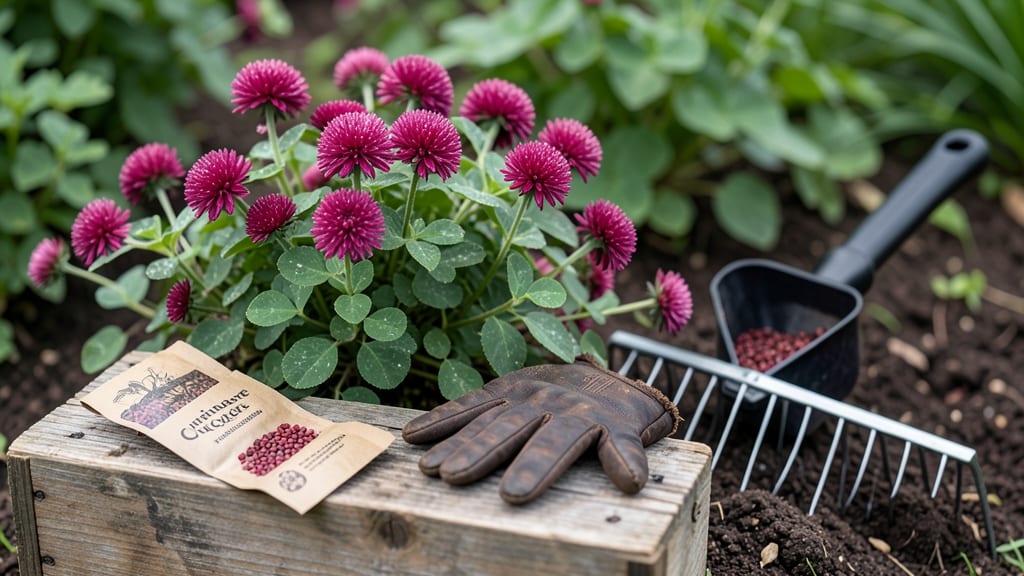
If you're a Tennessee gardener looking to boost your soil health or add a splash of color to your landscape, knowing when to plant crimson clover in your 6a-7b zone is the key to success.
This vibrant 🌸 Crimson Clover isn't just beautiful—it's a hardworking cover crop that thrives when planted at the right time, typically between late summer and early fall.
Timing matters more than you might think. Plant too early, and you risk summer heat stress; too late, and frost can nip your efforts before they take root. Tennessee's diverse microclimates—from the humid East to the drier West—mean your exact planting window might shift slightly depending on where you live.
Let me break down the perfect schedule to ensure your crimson clover grows lush and strong.
You'll discover how to align your planting with soil temperatures, frost dates, and even local agricultural recommendations. Whether you're prepping for fall or planning ahead for next year, these insights will help you avoid common mistakes and maximize your 🌸 Crimson Clover's benefits. Ready to get started?
I'll walk you through everything from soil prep to the best months for planting, so you can enjoy healthy soil and stunning blooms all season long. Let's dive in and make sure your crimson clover thrives in Tennessee's unique climate.
Tennessee planting zones: exact dates for crimson clover success
Timing is everything when planting crimson clover in Tennessee. This cover crop thrives in USDA zones 6a-7b, but your exact planting window depends on whether you're in East Tennessee's cooler highlands or West Tennessee's warmer valleys.
The ideal germination temperature is between 60°F and 75°F, so aim to plant when soil temps are just right.
For most of Tennessee, the best planting time falls between late August and early October. This fall window allows seeds to germinate before first frost (typically mid-October) while avoiding summer's extreme heat.
In Zone 6a areas like the Appalachian foothills, you might push planting to mid-September to ensure establishment before winter.
Here’s how to match your location to the perfect planting timeline, including regional adjustments for Tennessee’s diverse microclimates:
| Region | USDA Zone | Best Planting Window | Soil Temp Goal | Key Consideration |
|---|---|---|---|---|
| East Tennessee (Appalachians) | 6a | Late August - Mid-September | 60°F - 70°F | Cooler nights; plant earlier to avoid frost |
| Middle Tennessee (Nashville) | 7a | Early August - Early October | 65°F - 75°F | Longer growing season; flexible window |
| West Tennessee (Memphis) | 7b | Mid-August - Late September | 68°F - 72°F | Hotter summers; avoid late planting |
| All Regions (Late Option) | 6a-7b | Early Spring (March) | 55°F - 65°F | Riskier; only for overseeding or small patches |
If you’re planting crimson clover as a cover crop for soil health, prioritize the fall window—it gives roots time to establish before winter. For ornamental use, you can extend planting to early October in warmer zones, but avoid pushing past soil temperatures below 60°F, which slows germination.
Pro tip: Check your local frost dates using the Old Farmer’s Almanac or Tennessee State University Extension resources. Aim to plant 6-8 weeks before your area’s first frost to ensure strong root development.
In Zone 6a, this means mid-September is your cutoff; in Zone 7b, you might squeeze in early October plantings.
For urban gardeners in cities like Chattanooga or Knoxville, microclimates can shift planting by 1-2 weeks. If your yard sits in a sunny, sheltered spot, you might extend your window by 7-10 days. Conversely, shady or windy areas may require planting 2 weeks earlier to compensate.
Remember, crimson clover is an annual in Tennessee, so don’t wait for perfect conditions—act by late August to maximize your fall growth. Once established, it’ll reward you with vibrant blooms and improved soil structure before winter sets in.
For large-scale farmers, consider staggered planting in late August and early September to ensure continuous ground cover throughout the season. This approach also helps manage weed competition more effectively.
🌸
Soil and weather conditions: critical factors for fall planting
Crimson clover thrives in Tennessee’s moderate fall temperatures and well-draining soils, but timing is everything. The key is planting when soil temps hover between 60°F and 75°F—ideal for germination without inviting pests.
In East Tennessee (Zone 6a), aim for late August to early September, while West Tennessee (Zone 7b) gardeners can stretch planting until mid-October.
Moisture matters just as much as temperature. Crimson clover seeds need consistent soil moisture to sprout, but soggy conditions will rot them. After sowing, keep the top inch of soil damp—like a wrung-out sponge—until seedlings emerge. A light mulch layer (straw or leaves) helps retain moisture while preventing crusting.
Watch for first frost warnings in your area. Crimson clover can handle light frosts once established, but newly planted seeds won’t survive. Use a frost-free date calculator (like the Old Farmer’s Almanac) to mark your local cutoff.
In most of Tennessee, this falls around October 15–20, but mountain regions may freeze earlier.
🌱 Soil pH is another game-changer. Crimson clover prefers slightly acidic to neutral soil (pH 6.0–7.0). Test your soil before planting—if it’s off, amend with lime (to raise pH) or sulfur (to lower pH) 4–6 weeks ahead.
Organic matter (compost or aged manure) also improves drainage and water retention.
⚠️ Key Conditions for Success
- Soil Temp: 60°F–75°F (use a soil thermometer)
- Moisture: Damp top inch post-planting (not waterlogged)
- Frost Risk: Plant 6–8 weeks before first frost
- pH Level: 6.0–7.0 (test and amend if needed)
✅ Pro Tip: Plant on a cloudy day or late afternoon to reduce seed stress from direct sun.
Microclimates in Tennessee add another layer. Valley floors stay warmer longer than ridge tops, so adjust your planting window accordingly. If you’re in a cooler microclimate (like the Cumberland Plateau), opt for early August sowing to maximize growth before winter.
Conversely, urban heat islands (e.g., Nashville) may allow later plantings—just monitor soil temps closely.
Finally, avoid planting if heavy rains are forecasted. Seeds need direct soil contact to germinate, and rain can wash them away or create compacted layers. Clear any standing water before sowing, and consider raised beds in poorly draining areas to improve conditions.
🌿 Signs your timing is perfect: Seeds sprout in 7–14 days with consistent moisture, and seedlings show reddish-purple hues within weeks. If growth stalls or leaves yellow, you may have planted too late or in suboptimal soil.