
Plants
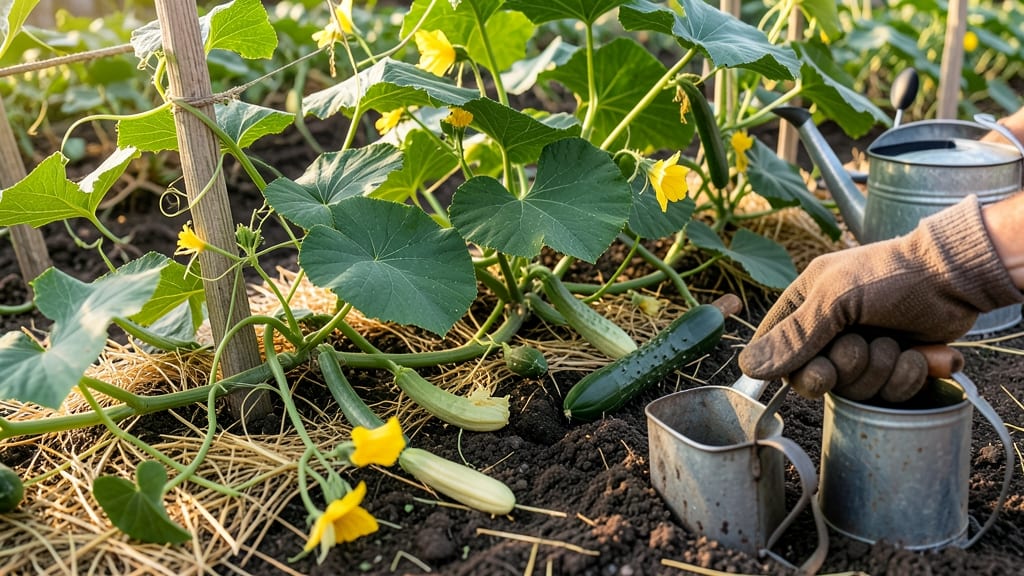
When to plant cucumbers in Houston isn’t just about luck—it’s the difference between a thriving harvest and a sad, wilted vine. With our 9a climate, those 6-week windows between spring rains and summer heat are your golden opportunity, but miss them, and you’ll fight fungal diseases or watch your plants bolt in the sweltering afternoons.
I’ve grown cucumbers here for years, and the key is planting mid-February to mid-March or again in late July to early August—right when soil hits that sweet 60°F mark.
Too early? Cold soil breeds rot. Too late? The heat arrives before your vines mature, leaving you with bitter, seedy disappointments instead of crisp, sweet slices for your summer salads.
But here’s the secret most gardeners miss: Houston’s humidity isn’t just a challenge—it’s a tool if you use it right. We’ll cover how to beat powdery mildew, stretch your harvest with shade cloth, and pick the heat-tolerant varieties that thrive when others fail.
Whether you’ve got a backyard plot or just a sunny balcony, I’ll show you exactly how to turn Houston’s climate into your cucumber-growing advantage.
Ready to go from “maybe next year” to “first harvest in April”? Let’s dive into the exact dates, soil tricks, and variety picks that’ll have your vines producing like crazy—before the heat gets the best of them.
Houston’s exact 6-Week cucumber planting window for maximum yield
Houston’s USDA Zone 9a climate gives you two prime chances to grow cucumbers—spring and late summer—but timing is everything. Plant too early, and fungal diseases thrive in damp soil.
Plant too late, and the 100°F+ heat stresses your vines. My 6-week planting window strategy lets you avoid both pitfalls while maximizing harvests before Houston’s brutal summer peaks.
Your first planting window opens when soil temperatures hit 60°F (around mid-February to mid-March). This aligns with Houston’s last frost date of January 15, but don’t rush—waiting ensures your cucumbers escape spring’s lingering chills.
For container gardening, this window shifts slightly later (late March) since pots warm up slower.
Your second chance comes in late July to early August, just as summer’s worst heat begins to ease. This fall planting lets you harvest before Houston’s first frost (December 15) while avoiding the 90°F+ soil temperatures that stifle growth.
Both windows rely on consistent moisture—Houston’s humidity demands it.
Here’s the critical 6-week rule: Plant your cucumbers within this window, and you’ll harvest just as summer’s heat ramps up. Miss it, and you’ll battle powdery mildew or watch your plants wilt under 105°F afternoons.
Urban areas like Midtown may need a 1-week adjustment later than suburban Katy, thanks to heat islands.
| Planting Stage | Action | Houston Timing | Soil Temp |
|---|---|---|---|
| Direct Sow | Plant seeds 1" deep, 2-3 seeds per hill | Mid-Feb to Mid-Mar | 60°F+ |
| Transplant | Move seedlings 12" apart, trellis if needed | Late Mar to Early Apr | 65°F+ |
| Succession Plant | Sow every 2 weeks for continuous harvest | Mid-Mar to Late Apr | 60°F+ |
| Fall Planting | Direct sow for late-season harvest | Late July to Early Aug | 70°F+ |
| Harvest Peak | Pick every 2-3 days to encourage growth | April-June, Sept-Oct | N/A |
Use this 7-day window calculator if you miss the ideal dates: Subtract 7 days from the start of your window (e.g., mid-February becomes late January for late starters). Just add shade cloth (30-50%) and mulch to protect young plants from Houston’s unpredictable spring rains and sudden heat spikes.
For container gardening, stick to 5-gallon pots or larger—smaller containers dry out too fast in Houston’s heat. Place pots on elevated stands to improve drainage and reduce fungal risks. Urban gardeners should also monitor microclimates: North-facing yards stay cooler by 5-10°F than south-facing ones.
Pro tip: Mark your planting dates on a garden calendar and set reminders for succession planting every 2 weeks. This ensures a steady supply of cucumbers without overcrowding your garden.
In Houston, April and September are your sweet spots for continuous harvests—just don’t let vines touch the ground to prevent soil-borne diseases.
Remember, Houston’s humidity and heat demand extra care. Once your cucumbers hit 60 days old, they’ll need daily watering to keep soil moist but not soggy. Use drip irrigation to avoid wetting leaves, which invites powdery mildew—Houston’s #1 cucumber nemesis.
By mastering this 6-week window, you’ll dodge Houston’s worst growing conditions and enjoy crisp, homegrown cucumbers from spring through fall. 🥒
How Houston’s humidity and heat affect cucumber growth (and how to adapt)
Houston’s stifling humidity and 90°F+ summers create a double-edged sword for cucumbers—too much heat stresses plants, while excess moisture invites fungal diseases like powdery mildew. The key is adapting your growing strategy to match Houston’s unique microclimates, whether you’re in a shaded urban backyard or a sunbaked suburban lot.
Cucumbers thrive in warm soil but wilt under prolonged afternoon heat. In Houston, this means planting early spring (before April) or late summer (after August) to avoid the peak June-August furnace. Even then, shade cloth becomes your best friend—think of it as a heat shield for your vines.
Here’s the critical adjustment: Morning watering is non-negotiable. Wet leaves in Houston’s heat act like tiny green saunas, fueling mildew growth. Water deeply at the base—aim for 1-2 inches per week—and always before 10 AM.
Drip irrigation systems are a game-changer, delivering water directly to roots without wetting foliage.
⚠️ Houston-Specific Warning
Powdery mildew thrives in Houston’s 90%+ humidity. If you see white powdery spots on leaves, act fast:
- Spray with neem oil (1 tsp/gallon water) every 7 days
- Prune crowded vines for airflow
- Avoid overhead watering at all costs 🌱
Companion planting can extend your harvest window by 2-3 weeks. Pair cucumbers with basil, marigolds, or nasturtiums—these plants repel pests and improve air circulation. In Houston’s heat, trellising is another must: Vertical growth keeps fruits off hot, humid soil, reducing rot and improving air flow around vines.
For container gardeners, choose compact varieties like ‘Spacemaster’ and use black fabric pots to absorb heat. Place containers on elevated stands (like cinder blocks) to prevent root rot from Houston’s heavy clay soil.
Mulch with straw or wood chips to lock in moisture and keep roots 5-10°F cooler during peak heat.
Even with these adaptations, heat stress will still hit by late May. That’s why succession planting is your secret weapon: Start a second batch in late July for a fall harvest before the first frost. Just remember—shade cloth and evening watering (if unavoidable) are non-negotiable for this late-season crop.