
Plants
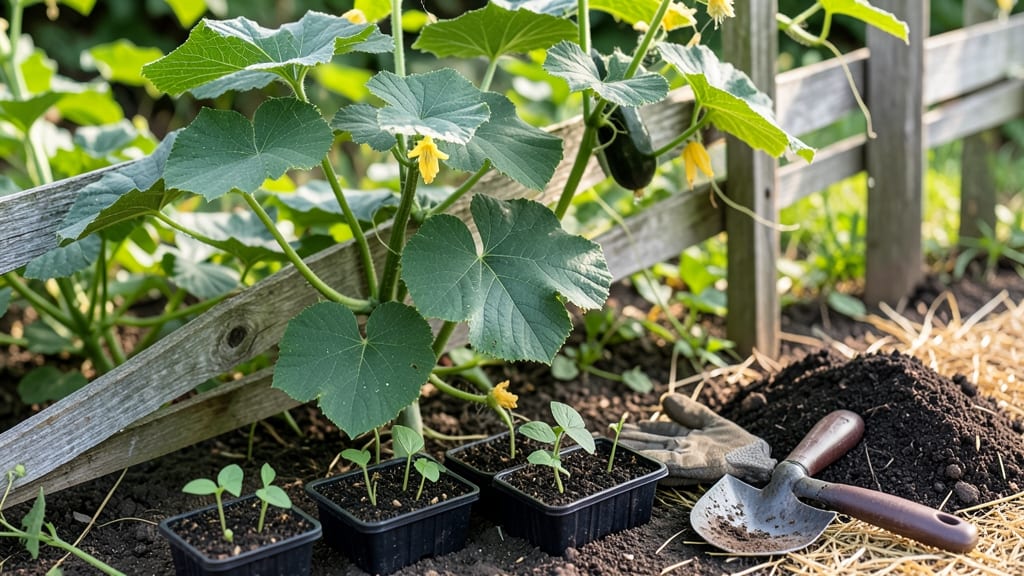
If you're eager to grow your own 🥒 cucumbers in Zone 6b, timing your planting is the most important step—get it wrong, and you might end up with wilted vines or missed harvests before the first frost hits.
Zone 6b’s unpredictable spring weather makes this even trickier, but knowing the ideal window—typically after your last frost date (around mid-April to early May)—can mean the difference between a thriving garden and a disappointing one.
I’ll walk you through the exact factors to consider, from soil temperature thresholds (60°F+) to heat-tolerant varieties that thrive in your short growing season, so you can start planting with confidence.
Whether you’re a seasoned gardener or just getting started, these insights will help you maximize your cucumber yield and enjoy fresh harvests from late June through September.
Zone 6b last-frost dates: the critical window for planting cucumbers
In Zone 6b, your cucumber planting window hinges on two critical factors: your last-frost date (typically April 15–May 15) and soil temperature. Cucumbers are heat-loving annuals that won’t germinate well in cold soil—wait until the ground reaches at least 60°F (15°C) for reliable sprouting.
While the average last frost in Zone 6b falls around April 15, your actual planting date depends on your specific microclimate. Check your local USDA frost maps or use a frost-free calculator to pinpoint your region’s exact window.
For example, northern Zone 6b areas may need to wait until mid-May, while southern zones can plant as early as late April.
Even after the last frost, nighttime temperatures below 50°F (10°C) can stunt cucumber growth. Use row covers or black plastic mulch to warm the soil faster if you’re eager to start early. I’ve found that planting after May 1 gives my cucumbers a strong head start before summer’s heat arrives.
Zone 6b’s growing season spans roughly 165 frost-free days, from late April to mid-October. Cucumbers need 50–70 days to mature, so aim to plant 6–8 weeks before your first expected frost (usually mid-September). This ensures you’ll harvest before cool nights slow production.
Here’s a quick rule of thumb: If your average May lows are consistently above 50°F (10°C), you’re ready to plant. Otherwise, delay until late May or use season extenders to protect young seedlings.
| Factor | Zone 6b Specification | Actionable Tip |
|---|---|---|
| Last Frost Date | April 15–May 15 | Plant 2 weeks after your local last frost. |
| Soil Temperature | 60°F+ (15°C+) | Use a soil thermometer to confirm readiness. |
| Nighttime Temps | Above 50°F (10°C) | Delay if nights dip below 50°F for 3+ days. |
| Growing Season Length | 165 frost-free days | Choose fast-maturing varieties (50–60 days). |
| First Frost Risk | Mid-September | Plant succession crops every 2 weeks for extended harvests. |
If you’re unsure about your local frost dates, harden off a few seedlings indoors or in a greenhouse 4–6 weeks before your target planting date. This gives you a buffer if spring weather turns unpredictable. I’ve used this method in Zone 6b to avoid losing seedlings to late frosts.
Another key tip: Monitor your local weather forecasts for heat waves in early summer. Cucumbers can bolt (flower prematurely) if stressed by heat, so choose heat-tolerant varieties and provide afternoon shade during extreme heat (above 90°F/32°C).
For container gardening in Zone 6b, plant cucumbers in large pots (15+ gallons) and move them to a sunny patio after the last frost. Containers warm up faster than garden soil, so you can start 1–2 weeks earlier than in-ground plantings.
Remember, Zone 6b’s short growing season demands efficiency. By aligning your planting with soil warmth and frost-free windows, you’ll give your cucumbers the best shot at a long, productive harvest before autumn’s chill sets in.
Zone 6b last-frost dates: the critical window for planting cucumbers
Understanding your Zone 6b last-frost dates is the first step to successful cucumber planting. In this zone, the average last frost typically falls between April 15 and May 15, but this can vary by 5-10 days depending on your specific location.
Always check local weather reports or use a frost calendar for your exact area.
Cucumbers are heat-loving plants that won’t tolerate frost, so waiting until after the last frost is crucial. Even a light frost can kill young seedlings, so don’t rush—patience here means stronger vines and bigger harvests later.
Another key factor is soil temperature. Cucumbers need soil that’s at least 60°F to germinate properly. Use a soil thermometer to check—if it’s cooler, wait a few more days or use black plastic mulch to warm the soil faster.
🌱 Zone 6b Cucumber Planting Timeline
| Stage | Action | Notes |
|---|---|---|
| Early April | Prepare soil with compost | Add 2-3 inches of compost for nutrients |
| Mid-April | Check soil temperature | Wait until 60°F+ for planting |
| Late April - Early May | Plant seeds or seedlings | After last frost date confirmed |
| June - September | Harvest regularly | Pick every 2-3 days for best yield |
If you’re in a cooler microclimate within Zone 6b, consider starting seeds indoors 3-4 weeks before your usual planting date. This gives you a head start on the growing season and helps compensate for late frosts.
For direct sowing outdoors, plant seeds 1 inch deep and 2-3 feet apart in hills, with 3-4 seeds per hill. Thin to the strongest plant once they’re 2-3 inches tall. This spacing gives vines room to spread and reduces disease risk from poor airflow.
Remember, cucumbers in Zone 6b have a short growing season (about 165 frost-free days), so choosing fast-maturing varieties (50-60 days to harvest) is essential. This ensures you get a harvest before the first frost hits in mid-October.