
Plants
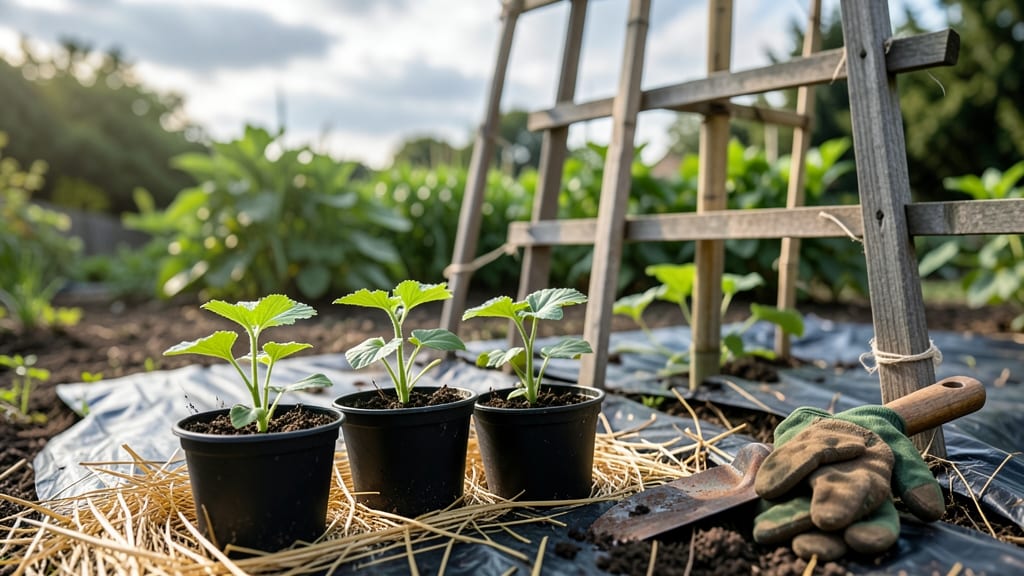
Timing your cucumber 🥒 planting in New Jersey could mean the difference between a bountiful summer harvest and wasted effort. The state's diverse microclimates—from coastal breezes to inland humidity—create planting windows that shift dramatically even within 60 miles. Get it wrong, and you'll either lose seedlings to late frosts or watch your vines struggle through sweltering July heat.
What if you could pinpoint the exact 2-week window where your cucumbers germinate fastest and thrive?
That’s the game-changer we’re uncovering here, tailored to NJ’s USDA Zones 6a-7b. Whether you’re a coastal gardener in Cape May or an inland grower near Newark, these microclimate-specific strategies will help you avoid common pitfalls like soil that’s too cold or humidity that smothers seedlings.
You’ll discover how to read your local frost-free dates, adjust for soil temperature thresholds (55°F+ for germination), and even extend your harvest with simple row cover tricks. No more guessing—just data-backed planting that gets your cucumbers off to a fast, healthy start and keeps them producing until September.
Let’s cut to the chase: the best time to plant cucumbers in New Jersey isn’t one-size-fits-all.
By the end of this guide, you’ll know whether you should be sowing seeds by April 15 (inland zones) or waiting until early May (coastal areas), plus how to handle those tricky transitional weeks when spring refuses to cooperate.
New Jersey cucumber planting calendar by USDA Zone (coastal vs inland)
New Jersey’s USDA Zones 6b-7b create dramatic differences in cucumber planting success. Coastal areas like Cape May (Zone 7a) experience delayed springs due to ocean breezes, while inland zones like Sussex County (Zone 6b) can plant 2-3 weeks earlier thanks to warmer microclimates.
The key? Soil temperature—cucumbers won’t germinate until the ground hits 55°F+, and seedlings need 60°F+ to thrive.
For most of NJ, the last average frost date falls between April 15 (north) and May 1 (south). However, coastal gardeners should wait until May 10-15 due to lingering chill.
Inland zones can start direct sowing by April 20, while coastal areas benefit from starter plants to avoid wind damage.
Here’s your microclimate-specific planting guide, including soil prep tips and frost-free averages by region:
| Zone | Last Frost Date | Planting Window | Soil Temp Threshold | Key Tip |
|---|---|---|---|---|
| 6b (North: Bergen, Passaic) | April 15 | April 20–May 5 | 60°F+ | Use black plastic mulch to warm soil faster. |
| 7a (Coastal: Cape May, Atlantic) | May 1–10 | May 15–June 1 | 65°F+ (cooler soils) | Start seeds indoors 3–4 weeks before last frost. |
| 7b (Inland: Burlington, Mercer) | April 25 | April 30–May 10 | 58°F+ | Trellis vines to save space and improve airflow. |
| Coastal Delay (Ocean County) | May 5 | May 20–June 5 | 62°F+ | Use row covers to protect from wind until established. |
Pro tip: Check the NJ State Climatologist’s frost maps annually—coastal zones can vary by 7–10 days year to year. For example, 2023’s last frost in Cape May arrived on May 8, while inland Trenton saw frost-free by April 22.
If you’re in Zone 6b, aim for early May planting with bush varieties like ‘Bush Champion’ to avoid sprawling vines in tight spaces. Inland gardeners can push two plantings: one in late April and another in early June for a fall harvest.
Just remember—cucumbers hate cold soil, so never plant before the ground warms to 55°F.
For coastal gardeners, consider ‘Straight Eight’ or ‘Marketmore’—these varieties tolerate milder temperatures and wind better than delicate heirlooms. Always harden off seedlings for 7–10 days before transplanting to avoid shock from salty ocean breezes.
Soil prep is critical: Test your pH (aim for 6.0–6.8) and amend with compost or aged manure. Inland zones benefit from raised beds to prevent soil compaction, while coastal areas need well-draining soil to avoid waterlogging from summer rains.
Mark your calendar: June 15 is the last safe date to start new cucumber seeds in most of NJ—after that, you’ll be racing against first frost (Oct 30–Nov 15). Use succession planting every 2 weeks until July 15 for a continuous harvest.
🌱
How to extend your cucumber season in NJ (starter tips for early/late planting)
If you’ve ever watched your cucumber plants struggle through New Jersey’s unpredictable spring chills or bolt in July’s heat, you know that season extension isn’t just helpful—it’s essential. The good news?
With the right strategies, you can push your harvest from July to September, even in coastal areas where frosts linger longer. The key lies in cold-hardy varieties, protective covers, and smart timing adjustments tailored to your microclimate.
For inland gardeners in USDA Zone 7b (like those in Mercer or Middlesex counties), you can start indoor seedlings by March 15 and transplant outdoors by April 20—giving you a head start.
Meanwhile, coastal gardeners in Zone 6b-7a (e.g., Ocean or Cape May) should wait until May 1 to avoid frost damage. The trick? Row covers or cold frames can shave off 2-3 weeks of vulnerability in early spring.
Here’s where variety selection makes all the difference. Cold-tolerant cultivars like ‘Straight Eight’ or ‘Northern Pickling’ can handle 45°F soil temperatures, while heat-lovers like ‘Marketmore 76’ thrive when nights stay above 60°F. Mixing both in your garden ensures a continuous harvest window from June through September.
Don’t overlook the power of black plastic mulch—it warms soil 5-10°F faster than bare earth, helping coastal areas reach germination temperatures 1-2 weeks earlier. Pair this with a trellis system to save space and improve airflow, reducing disease risk in NJ’s humid summers.
For late-season extensions, focus on heat-tolerant varieties like ‘Lemon Cucumber’ or ‘Armenian Cucumber’, which handle 90°F+ temperatures better than traditional types. Combine this with drip irrigation to keep roots cool and mulch to retain moisture. With these tweaks, you can harvest cucumbers well into October in inland zones.
Pro tip: Keep a planting journal to track what works in your specific microclimate. Note which varieties thrive, when you applied row covers, and how soil temperatures affected germination. Over time, you’ll refine your strategy to match your garden’s unique conditions—because in NJ, one size never fits all.