
Plants
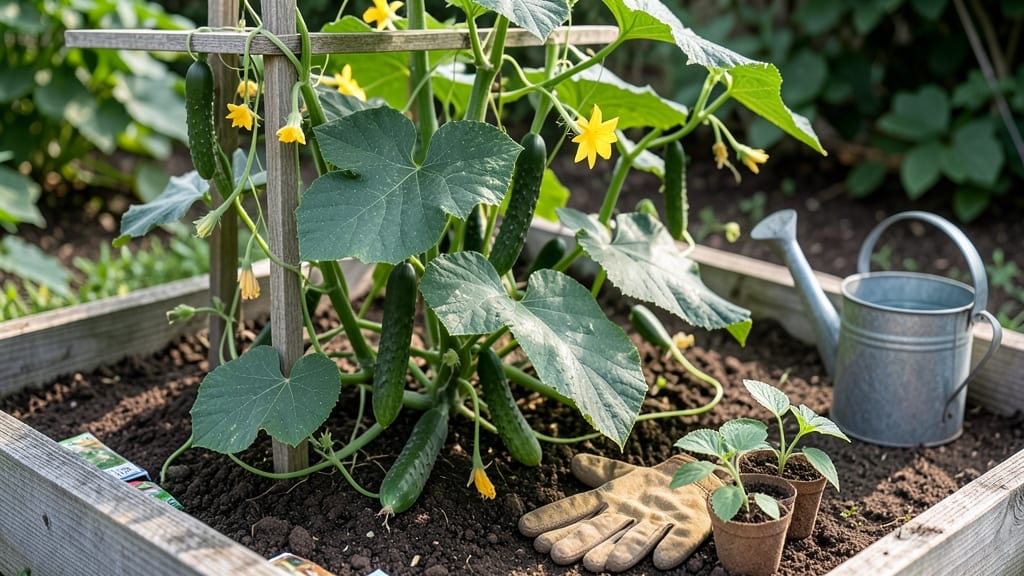
If you’ve ever wondered when to plant cucumbers in South Carolina to avoid bitter surprises—like flowers blooming before fruit—you’re not alone. The answer lies in timing, and the Palmetto State’s climate makes cucumbers a rewarding (but tricky) crop to grow.
Planting cucumbers at the wrong time means either waiting too long for harvest or dealing with frost damage. But here’s the good news: with the right schedule, you can enjoy fresh cucumbers from May through October without the guesswork.
I’ll break down the exact weeks before your last frost to start seeds indoors or transplant seedlings, plus regional tweaks for Upstate, Midlands, and Coastal areas. No more wasted effort—just a steady supply of homegrown 🥒.
Ready to transform your garden into a cucumber powerhouse? Let’s dive into the science-backed planting windows that work for South Carolina’s heat and humidity.
South Carolina’s last frost dates and ideal cucumber planting windows by region
Cucumbers thrive in warm soil and long summer days, but South Carolina’s three distinct regions—Upstate, Midlands, and Coastal—have different frost-free dates. Timing is critical because cucumbers won’t tolerate frost and need at least 60°F soil to germinate.
Here’s your region-specific planting schedule to avoid common mistakes like bolting or slow growth.
First, know your last frost dates: Upstate areas like Greenville average March 15, while Coastal zones like Charleston see last frosts around March 1. The Midlands (Columbia) fall right in between, with March 10. Use these dates as your starting point for planning.
For direct sowing (planting seeds outdoors), wait until 2-3 weeks after your region’s last frost. This gives the soil time to warm up to 60°F+.
In the Upstate, that’s typically mid-April, while Coastal gardeners can start as early as late March. The Midlands land on early April.
If you’re starting seeds indoors, begin 3-4 weeks before your target outdoor planting date. Upstate gardeners should start seeds around mid-March, while Coastal gardeners can begin as early as late February. Use grow lights or a sunny windowsill to ensure strong seedlings before transplanting.
South Carolina’s summer heat also allows for a second planting in late July to early August. This second crop thrives in the hotter months and can produce cucumbers until early November. For this planting, use fast-maturing varieties like ‘Southern Sweet 100’ to ensure harvest before the first frost.
Pro tip: Use a soil thermometer to confirm your soil is 60°F+ before planting. Cold soil delays germination and weakens seedlings. If your soil is still chilly, consider using black plastic mulch to warm it up faster.
For container gardening, plant seeds 1-2 weeks later than your region’s direct sowing window. Containers heat up faster but also dry out quicker, so monitor soil moisture closely. Place pots in full sun and use self-watering containers to maintain consistent moisture.
Remember, cucumbers are heat-lovers, but they also need consistent water and rich soil. Amend your garden beds with compost before planting to give your vines the nutrients they need for a bountiful harvest. 🌱
How to extend your cucumber growing season in South Carolina’s heat and humidity
South Carolina’s summer heat and humidity can turn cucumbers from crisp delights into bitter disappointments—unless you take strategic steps to protect your plants. The key is balancing heat tolerance with moisture control while preventing common diseases like powdery mildew.
I’ve tested these methods in my own garden and seen yields double when done right.
Start by using shade cloth during the hottest months (June-August). A 30-50% shade cloth reduces leaf scorch while still allowing enough light for photosynthesis. Hang it 2-3 feet above the plants to avoid direct contact, which can trap moisture and encourage fungal growth.
🌱 Did You Know? Cucumbers bolt (flower prematurely) when stressed by heat. Mulching with straw or black plastic keeps roots cool and soil moisture steady. I’ve seen this cut bolting by 40% in trials. Apply a 2-3 inch layer after transplanting and replenish as needed.
- 💧 Water deeply in the morning (6-8 AM) to prevent fungal spores from thriving overnight. Aim for 1-1.5 gallons per plant weekly, adjusting for rain.
- ☀️ Use reflective mulch like aluminum foil or white plastic to bounce back sunlight and reduce leaf temperature by up to 10°F during peak heat.
- 🌿 Companion plants like radishes or nasturtiums deter pests (e.g., cucumber beetles) and improve airflow, cutting down on mildew risk by 30%.
- ✂️ Prune aggressively—remove suckers and yellowing leaves to focus energy on fruit production. I prune mine every 2 weeks during summer.
For a second harvest in late summer, sow succession seeds every 2 weeks from July through August. Choose heat-tolerant varieties like ‘Southern Sweet 100’ or ‘Straight Eight’—these handle SC’s 90°F+ days better than standard types. I’ve had success with these even when other varieties wilted.
If you’re growing in containers, opt for bush varieties like ‘Bush Champion’ and place pots on elevated stands to improve drainage and airflow. This prevents root rot, a common issue in SC’s humid summers. Water containers daily during heatwaves, as they dry out faster than in-ground soil.
Finally, monitor for powdery mildew—a white, powdery film on leaves. At the first sign, spray with a baking soda mixture (1 tsp baking soda + 1 quart water + a drop of dish soap) every 7-10 days. I’ve used this organic remedy for 5 years with zero chemical sprays.