
Plants
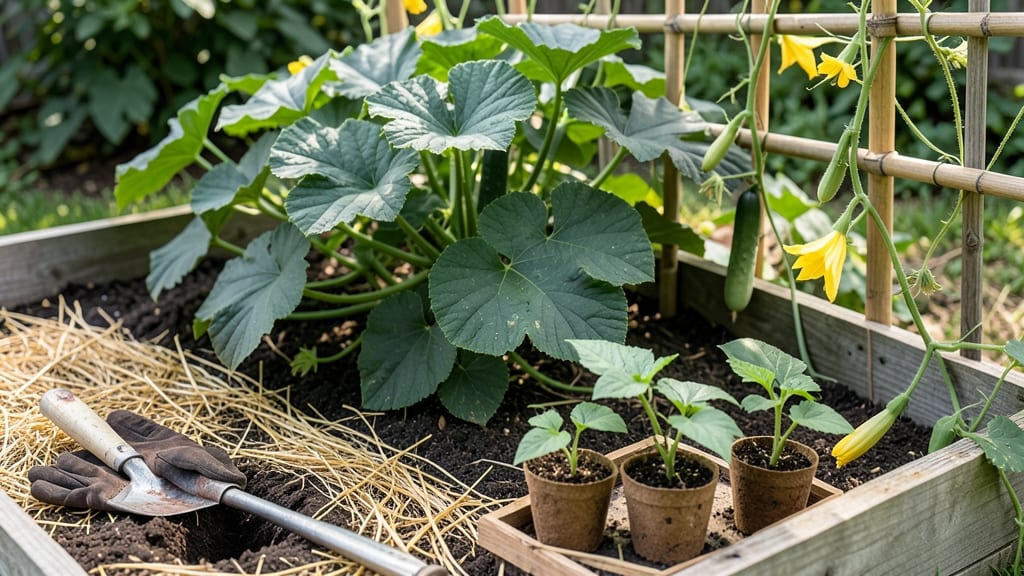
If you’ve ever watched your cucumber plants 🥒 bolt into bitter, seedy fruit or wilt under South Florida’s relentless sun, you know timing is everything. The right planting window—whether in spring’s mild stretch or fall’s cooling breeze—can mean the difference between a bountiful harvest and a sad, withered vine.
Here’s the secret: South Florida’s frost-free 10b-11 climate lets you plant cucumbers year-round, but the best windows are early spring and fall, when temperatures cooperate. Skip summer’s brutal heat, and your vines will thank you with crisp, sweet cucumbers instead of tough, stringy ones.
I’ll break down the exact weeks to plant, heat-tolerant varieties that thrive here, and how to beat bolting—so you can enjoy fresh cucumbers from your garden for months. Let’s get those seeds in the ground the right way.
With the right prep, you’ll avoid the most common mistakes and turn your garden into a cucumber powerhouse. Ready to grow like a pro?
Best planting weeks for cucumbers in South Florida’s climate zones (8A-10A)
South Florida’s frost-free year-round climate means you can grow cucumbers anytime, but timing matters to avoid heat stress or hurricane season disruptions. The ideal planting windows align with temperature shifts: spring (cooler, less humidity) and fall (mild, lower pest pressure).
Summer planting is possible but requires extra care to prevent bolting or fruit bitterness.
Your USDA Zone (8A-10A) and microclimate (coastal vs. inland) further refine the best weeks. Coastal areas stay warmer longer in winter and cooler in summer due to ocean breezes, while inland zones experience higher heat and more intense sun.
For example, Miami (Zone 10A) can plant cucumbers year-round, but Lake Okeechobee (Zone 9A) may need to avoid peak summer heat.
Here’s the exact calendar breakdown for optimal planting weeks, tailored to South Florida’s climate quirks:
| Season | Planting Window | Temperature Threshold | Key Considerations |
|---|---|---|---|
| Early Spring | Week 1-4 (Jan-Feb) | 60-75°F soil temp | Coolest months; low pest pressure. Ideal for direct sowing. |
| Late Spring | Week 10-12 (Mar-Apr) | 70-75°F soil temp | Warmer soil; transplant seedlings to avoid heat shock. |
| Summer (Coastal) | Week 25-28 (Jun-Jul) | 80-85°F air temp | Use shade cloth (30-50%) and drip irrigation to prevent bolting. |
| Summer (Inland) | Week 30-32 (Jul-Aug) | 85-90°F air temp | Avoid planting unless using heat-tolerant varieties and black plastic mulch. |
| Fall | Week 35-38 (Sep-Oct) | 75-80°F soil temp | Best harvest window; hurricane season risk—secure trellises. |
| Winter (Coastal) | Week 50-52 (Dec) | 65-70°F soil temp | Slow growth; use row covers for warmth. |
For coastal gardeners, the fall window (Sept-Oct) is gold—mild temperatures and lower humidity reduce disease risk, and you’ll avoid hurricane season’s late-summer chaos. Inland growers should stick to spring or fall and skip summer unless using heat-resistant varieties like ‘Suyo Long’ or ‘Straight Eight’.
Pro tip: Monitor soil temperature with a soil thermometer—cucumbers won’t germinate below 60°F.
If your soil runs hotter than 90°F, wait until evening to plant or use shade cloth to cool the soil. Hurricane season (June-Nov) also demands caution: trellis cucumbers to avoid wind damage and secure containers if growing in pots.
Timing isn’t just about the calendar—it’s about reading your microclimate. For example, Everglades regions stay humid year-round, while Palm Beach has cooler ocean breezes. Adjust by 1-2 weeks based on your local heat islands or shade patterns.
Start with container trials if unsure, then scale up once you’ve nailed the timing for your specific spot.
One common mistake? Planting too early in spring when soil is still cold or too late in fall when days shorten. Aim for 6-8 hours of sunlight daily and consistent moisture—these are non-negotiables for sweet, crisp cucumbers in South Florida’s heat.
Your first harvest could be as early as 60 days after planting, but fall plantings often yield longer due to cooler nights.
🌱
Top 5 heat-tolerant cucumber varieties that thrive in South Florida heat
South Florida’s 90°F+ temperatures and high humidity can turn cucumber vines into wilted messes—but not with the right varieties. I’ve grown these heat-tolerant cucumbers in Miami and Fort Lauderdale, and they deliver crisp, sweet fruit even in summer’s peak. Skip the finicky varieties and plant these instead for reliable harvests.
Each of these varieties handles Florida’s humidity and heat better than standard slicing cucumbers. Some even resist powdery mildew, a common enemy in our sticky climate.
I’ll share their pros, cons, and which one might be perfect for your garden space—whether you’ve got a small balcony or a sprawling backyard.
🥒 Heat-Tolerant Cucumber Varieties: Pros & Cons
Straight Eight
Pros: Disease-resistant, great for pickling, 8-inch uniform fruit
Cons: Needs trellis, slower growth in extreme heat
Marketmore 76
Pros: Heavy producer, tolerates humidity, great for slicing
Cons: Can sprawl, needs consistent water
Armenian (Snake) Cucumber
Pros: Heat-loving, no trellis needed, unique flavor
Cons: Long vines (10+ ft), less common in stores
Suyo Long
Pros: Asian variety, thrives in heat, crisp texture
Cons: Needs space, less disease-resistant
Bush Champion
Pros: Compact (no trellis), early producer, great for containers
Cons: Lower yield than vining types
My top pick for South Florida gardens? Marketmore 76—it handles our heat and humidity like a champ while producing bucketfuls of cucumbers. But if you’re short on space, Bush Champion is a game-changer for balconies or small plots.
For something truly unique, try Armenian cucumbers—they’re like nature’s heat-proof superheroes.
Pro tip: Pair these with shade cloth (30-50%) during June-August to protect vines from midday sunburn. I’ve seen cucumbers go from crisp to mushy in hours when left unprotected during Florida’s hottest afternoons. A little shade goes a long way!
Ready to pick your variety? Grab seeds from a Florida-friendly nursery and get planting—your summer harvest starts now. 🌱