
Plants
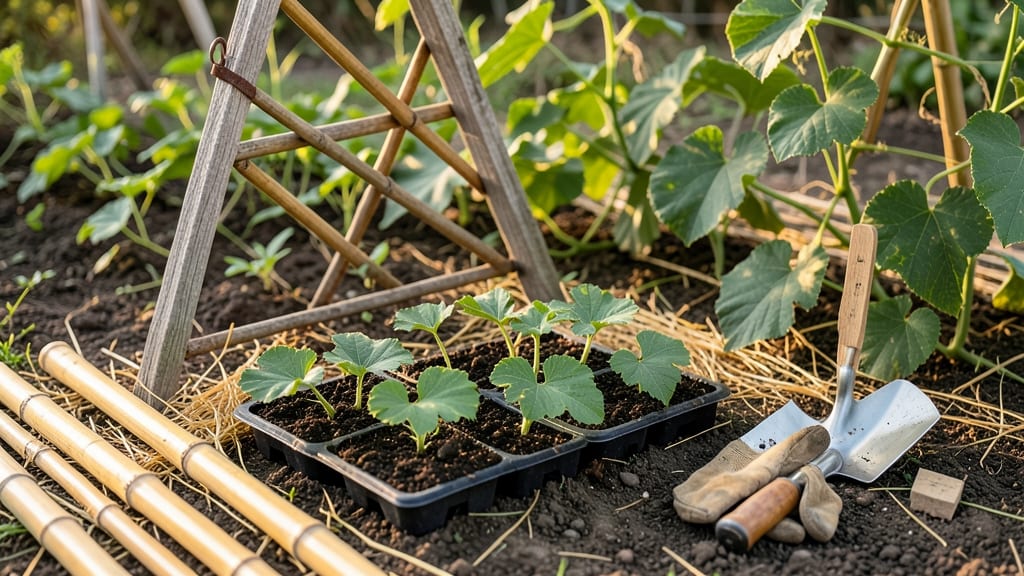
Knowing when to plant cucumbers in Zone 6 can make or break your summer harvest—get it wrong, and you might end up with wilted vines or bitter fruit instead of crisp, homegrown 🥒.
This warm-weather crop thrives when the soil is toasty and frost is a distant memory, but timing it just right in Zone 6 (where last frosts linger until mid-April) requires a little strategy.
The key is waiting until after your last frost date, when soil temperatures hit at least 60°F—usually late April to early May. Planting too soon risks cold damage, while waiting too long might cut your harvest short before fall arrives.
I’ll walk you through the exact steps to nail your planting window, including how to extend your season if you’re eager for an earlier start.
Whether you’re a first-time gardener or a seasoned green thumb, these tips will help you avoid common mistakes like planting too early or ignoring soil warmth. With the right timing, you’ll be enjoying fresh cucumbers from late June all the way through September—no more store-bought blandness!
Let’s dive into the specifics so you can start planting with confidence and grow a garden full of juicy, homegrown success.
Zone 6 last frost dates & ideal planting windows for cucumbers
Cucumbers are warm-season crops that thrive when soil temperatures consistently stay above 60°F. In Zone 6, this typically means waiting until late April to early May—right after your average last frost date.
Planting too early risks frost damage or slow growth, while waiting too long may shorten your harvest window before fall frosts arrive.
Your exact planting window depends on your local microclimate. For example, Zone 6a (colder end) may need to wait until mid-May, while Zone 6b (warmer end) can start as early as late April. Always check your local frost calendar—many county extension offices provide updated dates.
Here’s a quick reference for Zone 6 cucumber planting based on soil and air temperatures:
| Stage | Requirement | Zone 6 Timeline |
|---|---|---|
| Soil Temperature | Minimum 60°F | Late April–Early May |
| Air Temperature | Consistently above 55°F | After May 10 (varies) |
| Last Frost Date | 3-4 weeks before planting | Mid-April (check local data) |
| Harvest Window | 50-70 days after planting | Late June–September |
| First Frost Risk | Before October 15 | Plan for succession planting |
To test your soil temperature, use a soil thermometer buried 2 inches deep. If it reads below 60°F, delay planting or use black plastic mulch to warm the soil faster.
I’ve found that mulch can raise soil temps by 5-10°F, giving cucumbers a head start in cooler Zone 6 springs.
For direct sowing (planting seeds outdoors), aim for 2 weeks after your last frost date. If you’re starting indoors, begin seeds 3-4 weeks before your last frost to transplant seedlings when soil is warm. Pro tip: Use biodegradable pots to avoid root disturbance when transplanting.
In Zone 6, succession planting every 2 weeks after your initial planting can stretch your harvest into early fall. This works especially well for bush varieties like ‘Bush Champion’ or ‘Spacemaster,’ which mature faster than vining types.
Just be sure to mark your planting dates on a calendar to avoid overlapping harvests.
If you’re unsure about your exact last frost date, use the USDA Plant Hardiness Zone Map and cross-reference with your local weather station data. For example, Chicago (Zone 6a) averages its last frost around April 20, while Raleigh (Zone 6b) sees frost-free conditions by April 1.
Adjust accordingly!
Remember, cucumbers hate cold. Even a light frost can kill seedlings, so always have row covers ready for unexpected late frosts. I’ve lost entire plantings in Zone 6 by ignoring this rule—don’t make the same mistake!
Zone 6 last frost dates & ideal planting windows for cucumbers
In Zone 6, cucumbers thrive when planted after the last frost date, typically between late April and early May. However, these dates can vary by 2-4 weeks depending on your exact location within the zone.
For example, Zone 6a (colder) may wait until mid-May, while Zone 6b (warmer) can start as early as late April. Always check your local USDA Plant Hardiness Zone Map for precision.
Cucumbers are warm-season crops that need soil temperatures above 60°F to germinate properly. Planting too early in cool soil can lead to rotten seeds or slow, uneven growth. Use a soil thermometer to confirm the ground has warmed sufficiently before sowing seeds or transplanting seedlings.
| Stage | Action | Timeframe (Zone 6) |
|---|---|---|
| Last Frost Date | Wait 2-3 weeks after | Mid-April |
| Soil Temperature | Plant when ≥60°F | Late April–early May |
| Seedling Transplant | After frost risk ends | Early May |
| Harvest Window | 45–70 days post-planting | Late June–September |
For direct sowing, plant seeds ½ inch deep and 1 inch apart in hills or rows. Space hills 3–4 feet apart to allow for proper airflow and vine growth.
If using black plastic mulch, lay it down 1–2 weeks before planting to warm the soil faster and suppress weeds.
In Zone 6, the growing season is short—only about 165 frost-free days. To maximize your harvest, choose fast-maturing varieties like 'Straight Eight' (55 days) or 'Bush Champion' (50 days). These varieties can produce fruit before the first frost in mid-October.
If you're unsure about your last frost date, use a frost calendar from your local Cooperative Extension Service or rely on weather apps that track frost predictions. Planting too early risks frost damage, while waiting too long may shorten your harvest window.
Start seeds indoors 2–3 weeks before your last frost date if you prefer seedlings, but be ready to harden them off before transplanting. Hardening off involves gradually exposing seedlings to outdoor conditions over 7–10 days to prevent shock.