
Plants
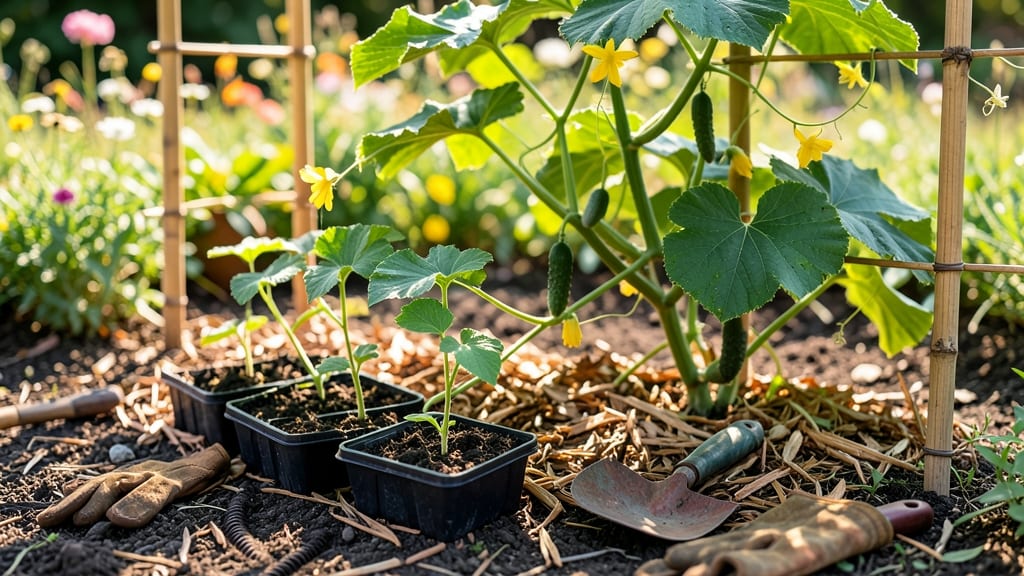
Timing your cucumber planting in Zone 7a could mean the difference between a garden full of crisp, sweet 🥒 and a sad investment of wasted seeds.
These heat-loving plants bolt when temperatures dip, so getting the soil warm enough (at least 55°F) and avoiding late frosts is the key to success.
Most gardeners in Zone 7a wait until mid-April to early June, but that window can shift based on your specific microclimate. The last average frost date around April 15 gives you a starting point, but soil temperature is what really matters for cucumbers to thrive.
In this guide, I'll break down exactly when to plant for your spring harvest, plus how to stretch your growing season with late-summer plantings. You'll learn how to avoid common mistakes like bolting or disease pressure that can ruin your crop before it even starts.
Whether you're a first-time gardener or a seasoned green thumb, these insights will help you maximize your cucumber yield in Zone 7a. Let's get those seeds in the ground at the perfect moment for a bountiful harvest.
Zone 7a cucumber planting dates based on soil temperature
Cucumbers are heat-loving annuals that need warm soil (55°F+) to germinate properly. In Zone 7a, where average last frost dates range from April 15 to May 15, timing your planting around soil temperature—not just air temperature—is critical for success.
Planting too early in cold soil can lead to rotten seeds or stunted growth, while waiting too long may miss the optimal harvest window.
Most cucumber varieties thrive when soil reaches 70°F or warmer, which typically aligns with late April to early May in Zone 7a. However, early-season varieties like 'Straight Eight' or 'Marketmore' can tolerate slightly cooler soil (60°F+) and may be planted as early as mid-April with protection.
Always check your local last frost date and soil temperature trends for precision.
For a second harvest in late summer or fall, aim to plant heat-tolerant varieties like 'Lemon Cucumber' or 'Armenian Cucumber' in late July. These varieties handle warmer temperatures better and can produce fruit until the first frost in mid-October.
Fall plantings benefit from longer daylight hours and cooler nights, which improve flavor.
To test soil temperature, use a soil thermometer buried 2 inches deep. If your soil is below 55°F, wait a few more days or use black plastic mulch to warm it faster. This simple step can make the difference between a failed crop and a bountiful harvest.
In Zone 7a, regional microclimates can shift planting windows by 1-2 weeks.
For example, areas near large bodies of water (like the Chesapeake Bay) may have cooler soils and benefit from a later start, while inland regions (like central Virginia) can plant earlier due to faster soil warming.
Pay attention to local weather patterns—a late frost in early May could delay planting by 2-3 weeks.
If you’re unsure about your exact last frost date, use a frost calendar from your local Cooperative Extension Service. These resources provide hyper-local data and can help you avoid common pitfalls like bolt-prone cucumbers or powdery mildew from overcrowding.
For example, in northern Zone 7a (e.g., Roanoke, VA), aim for May 1 planting, while southern Zone 7a (e.g., Atlanta, GA) can start as early as April 15.
For container gardening, cucumbers can be planted 2-3 weeks later than in-ground plantings because pots warm up slower. Use 5-gallon containers with well-draining soil and place them in full sun. If you’re using containers, consider heat-mat seed trays to jumpstart germination in cooler soil.
One of the biggest mistakes gardeners make in Zone 7a is planting cucumbers too early without soil warming. Cold soil can cause seed rot or slow germination, leading to weak seedlings that struggle to compete with weeds.
To avoid this, always test soil temperature or use black plastic mulch to raise the temperature by 5-10°F.
Pro tip: If you’re eager to start early, try sprouting seeds indoors 2-3 weeks before your target planting date. Once seedlings have 2-3 true leaves and soil temperatures reach 60°F+, transplant them outdoors with careful handling to avoid transplant shock.
This method extends your growing season and gives you a head start on the harvest.
Zone 7a cucumber planting dates based on soil temperature
In Zone 7a, cucumbers need soil temperatures of 55°F or higher to germinate properly. Waiting for both the last frost (around April 15) and warm soil prevents bolting—the plant's premature flowering. Most gardeners aim for mid-April to early June for spring plantings, but this varies by microclimate.
For example, if your soil warms quickly (like in urban areas with heat islands), you might plant as early as late March. Conversely, cooler pockets near water bodies may need to wait until mid-May. Always check a soil thermometer—cucumbers won’t thrive in cold, damp soil.
A fall harvest is also possible in Zone 7a by planting late July to early August. This gives cucumbers enough time to mature before the first frost (around October 15). Fall plantings often yield sweeter cucumbers because they grow slower in cooler weather.
| Planting Window | Soil Temp Requirement | Harvest Window | Notes |
|---|---|---|---|
| Spring: Mid-April to early June | 55°F+ | June–August | Best for heat-tolerant varieties |
| Fall: Late July–early August | 55°F+ | September–October | Sweeter cucumbers, slower growth |
If your soil stays cool, use black plastic mulch to warm it faster. This method can push your planting window 2–3 weeks earlier by trapping heat. Just remove the mulch once cucumbers start flowering to prevent overheating.
For container gardening, start seeds indoors 3–4 weeks before your last frost date. Move pots outside only after nighttime temperatures stay above 50°F. Containers heat up faster than ground soil, so monitor closely.
Always choose heat-tolerant varieties like 'Straight Eight' or 'Lemon Cucumber' for Zone 7a’s summer heat. These varieties handle 90°F+ temperatures better than standard types, reducing the risk of bolting.