
Plants
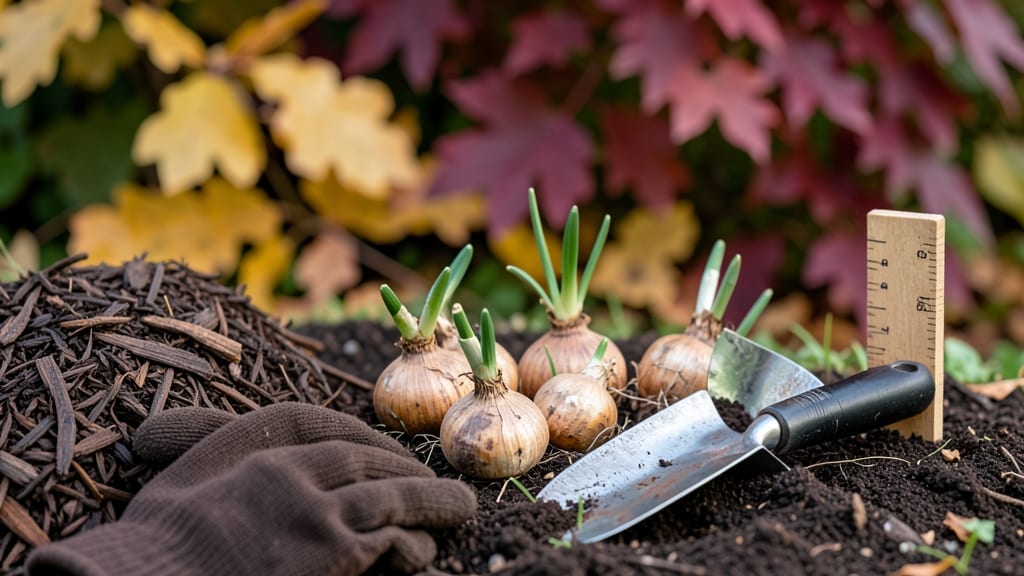
Timing your daffodil bulb planting in Seattle could mean the difference between a showstopping spring display and a disappointing flop. The Pacific Northwest’s mild but unpredictable fall weather demands precision—plant too early, and your bulbs may rot; too late, and winter’s chill could stunt their growth.
For Zone 8a gardeners, the ideal window stretches from October to November, but Seattle’s rainy skies and shifting frost dates add complexity. I’ll walk you through the exact cues to watch for—soil temperature, rainfall patterns, and even microclimates—to ensure your 🌼 daffodils thrive when spring arrives.
You’ll also discover how to prep your soil for Seattle’s famously wet winters, the perfect planting depth to prevent rot, and why mulching matters more here than in drier climates. Skip the guesswork and get ready for blooms that’ll make your neighborhood green with envy.
Let’s dive into the fall planting secrets that’ll give your garden the vibrant edge it deserves—without the trial-and-error headaches.
Ideal fall planting window for Seattle’s Zone 8a climate
Seattle’s Zone 8a climate gives you a 6-week window to plant daffodil bulbs—typically from October 1 to November 15. This timing ensures bulbs establish roots before winter’s chill sets in, but after summer’s heat subsides.
The key is planting when soil temperatures drop to 50–60°F, signaling bulbs to sprout without rotting.
In Seattle, rainfall patterns add complexity. Too much moisture before planting can waterlog soil, while late-season rains might delay your window. Urban areas often warm slightly later than rural spots, so adjust based on your microclimate.
Check your local USDA frost forecast—aim to plant 4–6 weeks before the first hard frost, usually around November 15.
Here’s how Seattle’s fall weather affects timing:
| Factor | Ideal Condition | Seattle Adjustment |
|---|---|---|
| Soil Temperature | 50–60°F | Test with a soil thermometer; wait if above 65°F. |
| Rainfall | Moderate (avoid waterlogged soil) | Plant after heavy rains subside; amend clay soil with compost. |
| Microclimate | Urban vs. rural | Urban areas stay warmer; plant rural spots first. |
| Frost Date | 4–6 weeks before first frost | Seattle’s average: November 15; plant by October 30 for safety. |
For urban gardeners, container planting extends your window. Use well-draining pots and plant bulbs 2–3 weeks later than ground planting, as containers cool faster. Rural areas with cooler nights can start as early as mid-September, but monitor soil temps closely.
Pro tip: Label your bulbs with planting dates. This helps track which varieties bloom first in spring—a 3-week spread is normal for mixed daffodils. Early bloomers like ‘Tête-à-Tête’ (dwarf) often emerge first, followed by standard types like ‘Ice Follies’.
Seattle’s Pacific Northwest fog can delay soil warming in spring, but it also protects bulbs from extreme cold. Still, mulch heavily (4–6 inches) after planting to insulate roots. Avoid synthetic mulches—they trap too much moisture in our wet climate.
If you miss the fall window, spring planting is risky but possible. Plant in late February only if you’re willing to sacrifice blooms that year. Bulbs need 12–16 weeks of chill to flower, and spring-planted bulbs rarely meet this threshold in Seattle.
Track your local chill hours using the PNW Garden Guide app. Aim for 500–1,000 hours below 45°F—Seattle typically hits this by mid-November. This ensures robust blooms next spring, even if your timing is slightly off.
Finally, store bulbs properly if you’re late to plant. Keep them in a cool, dry place (40–50°F) until soil temps drop. A paper bag with ventilation works well—just don’t refrigerate them!
5 Critical signs your daffodil bulbs are ready for Seattle soil
Before you dig into your Seattle garden, check these 5 key signs to ensure your daffodil bulbs and soil are primed for success. Skipping this step often leads to rot, weak growth, or failed blooms—especially in our wet climate.
Start by inspecting the bulbs themselves for firmness and moisture, as soggy or sprouted bulbs struggle in cold soil.
Next, test your soil drainage. Seattle’s heavy clay soil can suffocate bulbs, so amending with compost or sand is often necessary. A simple percolation test (pouring water into a hole and timing drainage) will reveal if your soil needs adjustments.
Aim for water to drain within 30–60 minutes—any slower, and bulbs risk rotting over winter.
Here’s what to look for in your bulbs and soil:
- 🌱 Firm Bulbs: Press a bulb—it should feel solid, not mushy. Soft spots signal rot or sprouting, which weakens roots in cold soil.
- 💧 Dry Exterior: Bulbs should have a papery, dry outer layer. If damp or sticky, store them in a cool, dry place (40–50°F) for 1–2 weeks before planting.
- ✂️ No Sprouts: Tiny green shoots mean the bulb’s energy is already focused on growth. Plant these immediately or they’ll wither.
- 🌡️ Soil Temp Ready: Use a soil thermometer—ideal temps are 50–60°F. Warmer soil speeds up sprouting before roots establish.
- 🌧️ Rainfall Pause: Plant after 3–5 days without heavy rain. Seattle’s autumn downpours can waterlog soil, delaying root growth.
Seattle’s microclimates also play a role. Urban areas with concrete heat may stay warmer longer, while rural spots cool faster. Adjust your planting by 1–2 weeks based on your location—check local frost forecasts and plant 4–6 weeks before the first hard frost (usually November 15).
One common mistake is planting bulbs too deep. In Seattle’s clay-heavy soil, aim for 6–8 inches deep (twice the bulb’s height). Deeper planting protects against rodent digging (a real issue here!) and winter heaving. Mark your rows with biodegradable flags to avoid disturbing them in spring.
Finally, test your soil pH. Daffodils thrive in slightly acidic to neutral soil (pH 6.0–7.0). Seattle’s native soil often skews acidic (pH 5.0–6.0), so add lime or wood ash if needed.
A $10 soil kit from your local garden center makes this easy—just follow the instructions to adjust before planting.
Pro tip: Plant on a dry day to minimize soil compaction. If rain is forecast within 24 hours, delay planting until conditions improve. Your 🌼 daffodils will thank you with bold, early blooms next spring!