
Plants
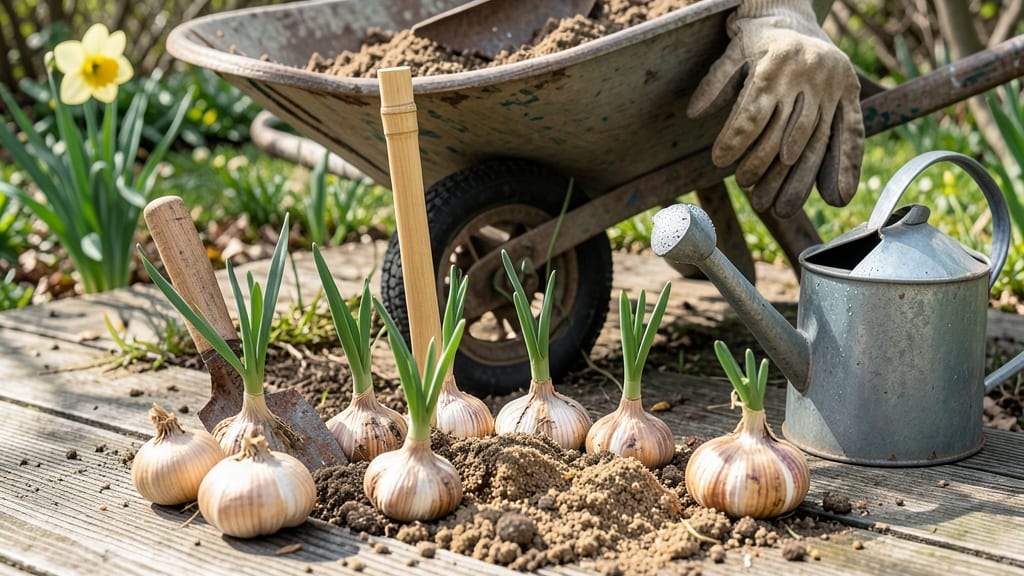
Planting daffodil bulbs in Texas isn’t just about grabbing a shovel—it’s about outsmarting the heat, avoiding the frost, and giving your 🌼 a fighting chance to thrive. The wrong timing can mean sad, wilted blooms or worse, bulbs that never make it past winter.
But here’s the good news: with the right strategy, you can beat Texas’s unpredictable climate and enjoy those cheerful yellow and white blooms every spring.
Most gardeners in 8a-10b zones know fall is the golden window, but when exactly? North Texas gardeners have a tighter schedule than their Central or South Texas counterparts, thanks to earlier frosts.
The key is planting 4-6 weeks before the first hard frost—whether that’s October for North Texas or January for South Texas. Miss this window, and you risk bulbs rotting in the heat or freezing before they root.
I’ve seen too many Texas gardeners make the same mistakes—planting too deep, ignoring soil prep, or choosing the wrong varieties for our climate. But don’t worry: this guide will walk you through the exact steps to set your daffodils up for success, from soil prep to planting depth.
Let’s get those bulbs in the ground the right way, so you can enjoy a burst of spring color without the guesswork.
Ready to skip the trial-and-error? You’ll learn how to time your planting like a pro, avoid the three biggest mistakes Texas gardeners make, and keep your daffodils blooming year after year—no matter where you are in the state.
Best planting months for daffodils in Texas: climate zones explained
Texas’s diverse climate means one planting window doesn’t fit all. From the chilly Panhandle (Zone 7b) to the balmy Rio Grande Valley (Zone 10a), daffodils need precise timing to thrive. The golden rule?
Plant bulbs 6 weeks before your region’s first hard frost—this gives roots time to establish before winter. For North Texas, that’s October to early December, while South Texas gardeners can plant until January.
Soil temperature is your secret weapon. Daffodil bulbs won’t sprout until the ground cools to 60°F (15°C). In Zone 8-9 (Central Texas), this typically happens in mid-October, while South Texas (Zone 10) waits until November.
Use a soil thermometer to check—planting too early in warm soil can cause rot.
Here’s the Texas-specific 6-week rule broken down by zone:
Pro tip: North Texas gardeners can cheat the system by planting early September bulbs in containers and moving them outdoors after the first frost. This gives you a head start on blooms! Just ensure containers have drainage holes—waterlogged bulbs = death.
Ever wonder why your South Texas daffodils bloom later? It’s not laziness—it’s the longer growing season. Bulbs planted in January need more time to push through the heat before flowering. For consistent blooms, plant in stages: half in December, half in January.
Texas’s microclimates can vary wildly even within cities. If you’re in Hill Country (Zone 8a), plant 2 weeks earlier than Austin (Zone 8b). Use your local Cooperative Extension office’s frost data as your guide—it’s more accurate than generic calendars.
One non-negotiable rule: Never plant daffodils in summer. The bulbs will bake in the heat and fail to root. If you miss fall, wait until next year—rushing leads to disappointment. Patience is key for Texas-sized blooms!
For container gardening, the rules relax slightly. You can plant September-October in pots and move them to partial shade during summer heat. Just remember: containers dry out faster—water deeply every 5-7 days.
🌼
3 Deadly mistakes Texas gardeners make (and how to fix them)
Texas gardeners love daffodils for their bright blooms, but three common mistakes can turn those dreams into disappointment. I’ve seen bulbs rot in the heat, freeze before rooting, or fail to bloom because of these oversights. Let’s tackle them head-on so your 🌼 daffodils thrive.
First, planting too deep is a Texas-specific trap. Many gardeners bury bulbs 8+ inches deep to protect them from heat, but daffodils need 6-8 inches max. Deeper planting suffocates roots and delays blooming. The fix? Use a trowel to mark depth—no guessing!
Second, choosing heat-sensitive varieties dooms your bulbs before they start. Most nursery daffodils aren’t bred for Texas’s 90°F+ soils. Opt for ‘Ice Follies’ or ‘Tête-à-Tête’—they handle our heat better. Always check labels for “heat-tolerant” tags.
⚠️ Deadly Mistake #1: Planting in Clay Soil Without Amending
Texas clay holds too much moisture, causing bulbs to rot. Fix it by mixing in compost or sand (50/50 ratio) before planting. Test drainage by digging a hole—if water pools after 1 hour, amend!
💡 Pro Tip: Add a 2-inch mulch layer of pine straw after planting to insulate roots and retain moisture.
Third, ignoring the 6-week rule ruins bloom timing. Planting too early (like August) makes bulbs sprout in heat, while late planting (post-January) risks frost damage. Use your last frost date (check Texas A&M’s zone map) and count back 6 weeks—that’s your window.
Finally, skipping post-planting care seals their fate. Water deeply once a week after planting (no soggy soil!), then let nature take over. Fertilize lightly in fall only—spring feeding steals energy from blooms.
Follow these fixes, and your daffodils will bloom reliably for years. No more guesswork—just vibrant spring color every time. 🌼