
Plants
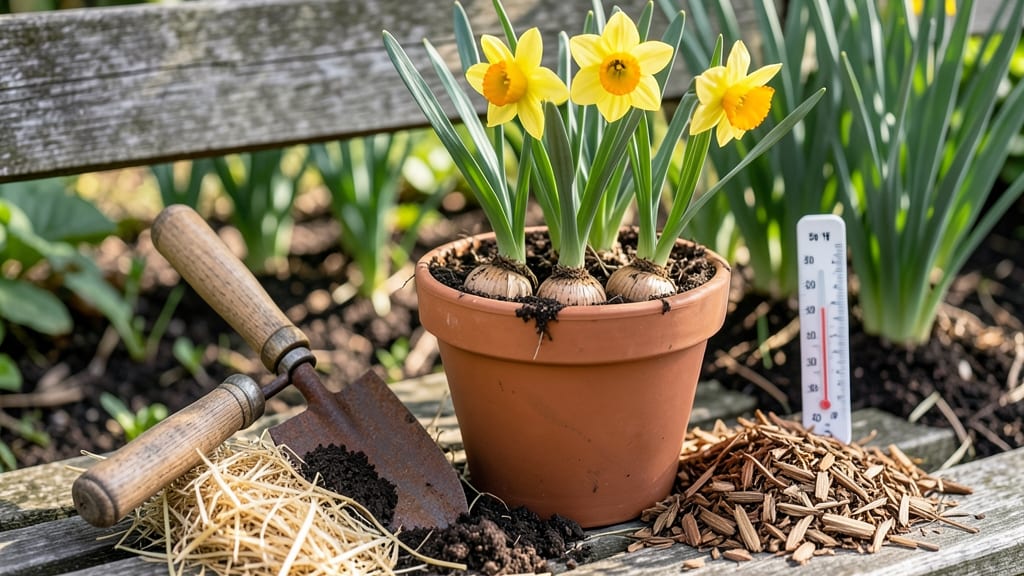
If you've ever planted daffodils in Massachusetts only to watch them fail to bloom, you're not alone—and the answer likely lies in timing. The perfect window for planting these cheerful 🌼 flowers isn't just about fall, but about understanding your specific zone's frost patterns and soil conditions.
In Zone 6a, where most of Massachusetts falls, daffodils need to establish roots 6-8 weeks before the ground freezes. That means aiming for late October to early November, but with a caveat: coastal areas may need adjustments due to milder winters.
Getting this right ensures bulbs survive winter and burst into spring color.
I'll walk you through the exact timing, soil prep, and care tips tailored to Massachusetts' climate. Whether you're in Boston or Worcester, these secrets will help you avoid common mistakes that leave gardeners with empty flowerbeds come spring.
From choosing the right varieties to knowing when to mulch, you'll learn how to set your daffodils up for success. Let's make sure your fall planting pays off with a stunning spring display that outshines even the harshest New England winters.
Optimal fall planting windows for Massachusetts daffodils (Zone 5B-6B)
In Massachusetts, where Zone 5B-6B winters can swing from crisp to brutal, timing your daffodil planting is more science than guesswork. The ideal window spans mid-October to early November, when soil temperatures hover between 40°F and 50°F.
This 6-8 week buffer before the ground freezes gives roots time to anchor before dormancy—critical for avoiding winter heaving and ensuring robust spring blooms.
Why this window? Daffodil bulbs need 6-8 weeks of chilling to trigger flowering, but planting too early (like September) risks rot in damp soil, while late planting (December+) leaves bulbs vulnerable to freeze-thaw cycles. Think of it as a New England Goldilocks zone—just right for your Narcissus varieties.
Here’s the visual breakdown of your Massachusetts planting timeline, tailored to regional microclimates from coastal Boston to inland Worcester:
| Region | Ideal Planting Window | Soil Temp Goal | Key Consideration |
|---|---|---|---|
| Coastal (Boston, Cape Cod) | Late October - Early November | 45°F - 50°F | Warmer maritime air delays frost; plant closer to November 1st. |
| Central (Worcester, Springfield) | Mid-October - Late October | 40°F - 45°F | Colder inland soils freeze faster; aim for October 15th. |
| Western (Pittsfield, Berkshires) | Early October - Mid-October | 38°F - 42°F | Earlier frost dates; plant by October 10th for safety. |
| All Regions (Late Backup) | Early December (if soil unfrozen) | Above freezing | Risky but viable; mulch heavily post-planting. |
Pro tip: Use a soil thermometer to confirm temps—50°F is your sweet spot. If your garden sits in a microclimate (like a south-facing slope), you might push planting 1-2 weeks later than the general rule.
Always plant bulbs 6 inches deep and 6 inches apart for optimal airflow and bulb health.
For container gardening, the window narrows to late October only. Pots freeze faster, so prioritize well-draining mixes with perlite and avoid waterlogged soil. Place containers near south-facing walls to extend the growing season by 2-3 weeks.
One common mistake? Planting after the first frost. While daffodils tolerate light frosts, consistent freezing halts root growth. Check your local USDA frost calendar—most of MA sees its first frost around October 20th, so aim to finish planting by October 15th for safety.
After planting, mulch with 2-3 inches of straw or shredded leaves to insulate bulbs. This winter blanket prevents soil heaving (when freezing/thawing cycles push bulbs up) and keeps roots at a steady 32°F-40°F. Remove mulch in early spring once shoots emerge to avoid smothering new growth.
Remember: Daffodils planted in fall reward you with spring blooms—but only if they’ve had time to establish roots before winter. Think of it like tucking your garden into bed early: the sooner they settle in, the brighter they’ll shine next April.
🌼
How to adjust planting time for early vs. late blooming daffodil varieties
Not all daffodils bloom at the same time, and in Massachusetts, where winters vary from Zone 5B to 6B, timing your variety selection matters just as much as planting dates.
Early bloomers like 'Ice Follies' need a slightly different approach than late varieties like 'Tête-à-Tête'. The key lies in understanding their chilling requirements and soil temperature triggers.
Early bloomers (like 'February Gold') require longer chilling periods—think 10-12 weeks below 40°F. Plant these 4-6 weeks earlier than standard varieties (aim for early October in most of MA).
Late bloomers (like 'Peach Sorbet') need shorter chilling (6-8 weeks) and can handle later planting (up to mid-November in coastal areas).
Here’s how to stagger your plantings for extended spring color, using Massachusetts-specific timing:
| Variety Type | Chilling Needs | Ideal MA Planting Window | Bloom Time | Pro Tip |
|---|---|---|---|---|
| Early Bloomers (e.g., 'Ice Follies', 'February Gold') | 10-12 weeks below 40°F | Early October (Zone 5B) / Mid-October (Zone 6B) | April (earliest blooms) | Plant in raised beds for warmer soil. |
| Mid-Season (e.g., 'Tête-à-Tête', 'Jack Snipe') | 8-10 weeks below 40°F | Mid-October to Early November | Late April - Early May | Best for container gardens. |
| Late Bloomers (e.g., 'Peach Sorbet', 'Salome') | 6-8 weeks below 40°F | Late October - Early November (coastal) / Mid-November (inland) | May (latest blooms) | Mulch heavily to protect bulbs. |
| Staggered Planting (Mix of all types) | Varies (6-12 weeks) | October 1 - November 15 (spread out) | April - May (extended blooms) | Plant 1/3 early, 1/3 mid, 1/3 late. |
For extended spring color, try this 3-phase planting strategy: plant 1/3 of your bulbs in early October (early bloomers), 1/3 in mid-October (mid-season), and the final 1/3 in late October/early November (late bloomers).
This creates a 6-8 week bloom window that keeps your garden vibrant from April through May.
If you're in coastal Massachusetts (like Cape Cod or Provincetown), where winters are milder, you can push late bloomers to early December—just ensure soil stays above freezing. Inland areas (like the Berkshires) should stick to mid-November as a cutoff to avoid frost damage.
Pro tip: Use soil thermometers to monitor temps—40°F is the magic number for triggering dormancy in most varieties. If your soil drops below 32°F too soon, mulch immediately with straw or leaves to insulate bulbs. This winter protection ensures even late-planted varieties survive.
For container gardening, late bloomers are your best bet—they tolerate cooler soil temps better than early varieties. Place pots in south-facing spots to absorb extra warmth and extend the growing season by 1-2 weeks.
Just remember: dwarf varieties (like 'Tête-à-Tête') thrive in containers, while standard-height types need deeper pots for root growth.
🌿