
Plants
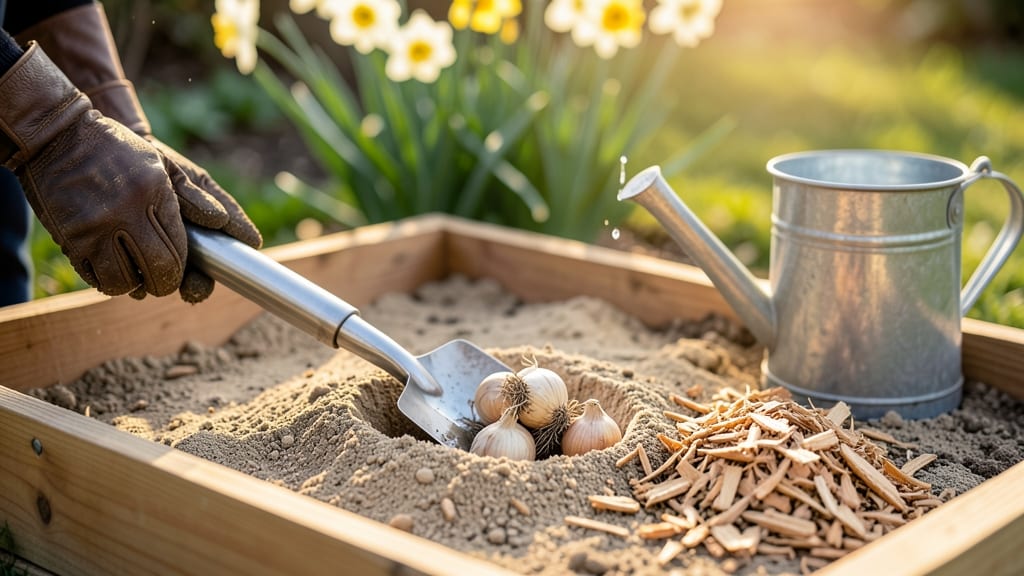
If you're dreaming of a spring garden bursting with cheerful 🌼 daffodils, knowing when to plant daffodil bulbs in Zone 9 is the secret weapon you’ve been missing.
Unlike cooler climates, Zone 9’s mild winters demand a precise window—plant too early, and your bulbs may rot; too late, and you’ll miss the cool-season trigger that guarantees those vibrant blooms.
I’ve seen firsthand how a November-January planting schedule transforms a sleepy winter garden into a showstopper. That’s why I’m sharing the exact strategy that works in Southern California, Phoenix, and Las Vegas—where summer heat and unpredictable rains can derail even the best-laid plans.
You’ll learn how to prepare your soil, choose the perfect depth, and space your bulbs for maximum impact. Plus, I’ll reveal the one critical mistake that ruins more Zone 9 daffodil plantings than anything else—and how to avoid it.
Let’s get those bulbs in the ground the right way, so you can enjoy bold spring blooms that’ll make your neighbors green with envy. Ready to turn your winter prep into next year’s brightest garden moment?
Optimal planting months for daffodil bulbs in Zone 9: the cool-season rule
Daffodils thrive in Zone 9’s mild winters, but their planting window is narrow—aim for November through January to align with natural dormancy cycles. Unlike colder zones, Zone 9 gardeners don’t need to rush before frost; instead, we focus on soil temperatures below 60°F to prevent premature sprouting.
Planting too early risks rot, while waiting too long delays root establishment.
Daffodils need 6-8 weeks of cool weather to develop strong roots before spring growth. In Zone 9, this translates to planting late November to mid-January, with December being the sweet spot for most varieties.
The key is to time it so bulbs sprout just as daytime temps rise in late winter.
Soil temperature is your best guide—use a soil thermometer to confirm it’s consistently below 60°F at 4-inch depth. In Southern California, this typically happens by mid-November, while Arizona’s desert climates may wait until late November. Adjust based on your local microclimate.
Here’s why timing matters: Daffodils store energy in their bulbs during dormancy. Planting in the cool-season window ensures they’ll have enough reserves to push through Zone 9’s mild winters and bloom vigorously in spring. Miss this window, and you risk weak growth or no flowers at all.
🌼
| Month | Ideal Planting Time | Soil Temp Goal | Success Factor |
|---|---|---|---|
| November | Late November (after 60°F) | Below 60°F | Early root growth |
| December | Best window (peak timing) | 50-55°F | Strong bulb establishment |
| January | Early January (before heat) | 55-60°F | Late bloomers thrive |
| February | Avoid (too warm) | Above 60°F | Risk of rot |
For early blooming varieties like ‘Tête-à-Tête,’ plant in December to ensure they flower by February. Late bloomers like ‘Ice Follies’ can wait until January for a March-April show. Always check bulb packaging for variety-specific guidance—some hybrids need slightly different timing.
Zone 9’s mild winters can trick gardeners into thinking bulbs can plant anytime, but heat stress is the real enemy. Bulbs planted in February or later may sprout too soon, only to wilt as summer approaches. Prioritize cool-season planting to give roots time to anchor before heat arrives.
Pro tip: If you miss the window, store bulbs in a cool, dark place (like a fridge) until conditions improve. Never plant daffodils in summer or early fall—they’ll bake in the soil and fail to bloom. Patience pays off with bold, reliable spring color.
🌱
After planting, mulch with 2-3 inches of straw to insulate bulbs and retain moisture. In drought-prone areas like Arizona, add extra mulch to protect against summer heat stress. Remove mulch in late winter to allow foliage to photosynthesize—this fuels next year’s blooms.
How to adjust planting time for early vs. late blooming daffodils in Zone 9
Zone 9’s mild winters mean daffodil bulbs need precise timing to thrive. Early bloomers like 'Tête-à-Tête' (dwarf variety) should go in December for spring blooms, while late varieties like 'Ice Follies' can wait until November. The key is aligning with soil temperatures—aim for 60-65°F at planting depth.
In Southern California, where winters are wetter, plant early November to avoid winter rains that can cause rot. For Arizona’s drier climate, December is ideal—soil stays cooler longer, mimicking natural dormancy. Always test soil moisture: bulbs should feel dry but not bone-dry before planting.
Here’s how to adjust for your region: Southern California’s coastal areas (like San Diego) can plant October–November, while inland deserts (like Phoenix) should wait until December–January. Microclimates matter—shady spots may need 2 weeks earlier than sunny areas.
| Variety Type | Best Planting Month | Soil Temp Goal | Depth (inches) |
|---|---|---|---|
| Early Bloomers (e.g., 'Tête-à-Tête') | December | 60–65°F | 6–8" |
| Late Bloomers (e.g., 'Ice Follies') | November | 55–60°F | 6–8" |
| Standard Varieties (e.g., 'Jersey') | November–December | 58–63°F | 6–8" |
Adjust bulb depth based on soil type: sandy soils (common in Arizona) need deeper planting (8") to retain moisture, while clay soils (like in LA) can stay at 6". Use a bulb planter for precision—it’s worth the $10 to avoid uneven planting.
Pro tip: Chill bulbs for 6–8 weeks before planting if your Zone 9 winter is unusually warm. Store them in a paper bag in the fridge to mimic natural dormancy. This trick works wonders for Phoenix gardeners where winters hover around 50°F.
Finally, mulch heavily after planting—3–4 inches of straw insulates bulbs from Zone 9’s temperature swings. Remove mulch in late winter to let foliage feed the bulb for next year’s blooms. Timing is everything, but with these tweaks, your daffodils will outshine the neighbors’! 🌼