
Plants
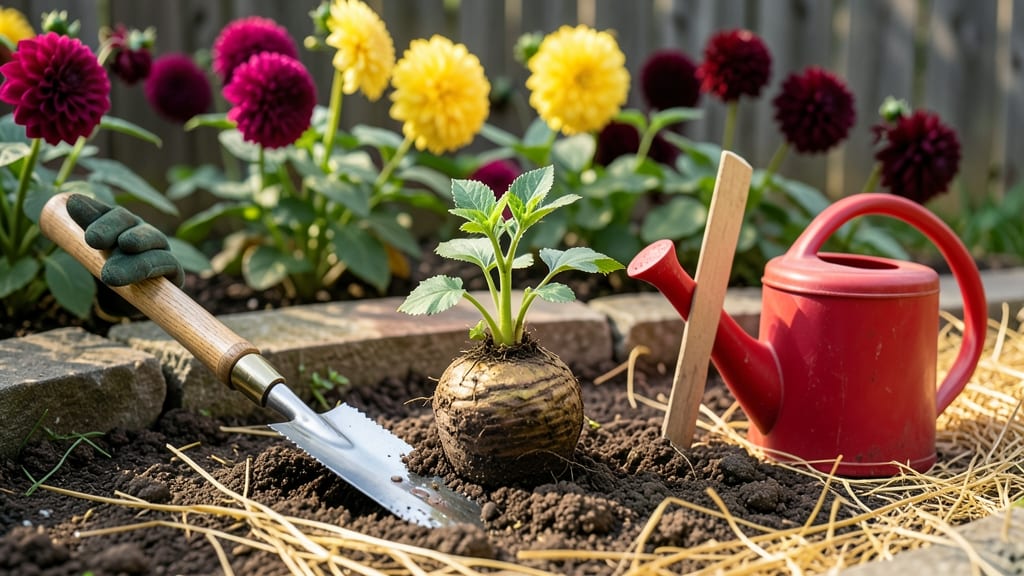
Timing your dahlia planting in California can feel like solving a puzzle—coastal fog, inland heat, and desert dryness all demand different strategies. One wrong move, and your 🌼 tubers might rot in cold soil or wilt under summer’s glare.
But get it right, and you’ll enjoy a garden bursting with color from July through October.
This isn’t just about picking a month—it’s about reading your microclimate. Coastal gardeners in zones 9-10 can start as early as late February, while inland valleys and desert regions (like 9b-11) need to wait until March or even April.
The key? Soil temperature—wait until it hits 60°F to avoid stunted growth.
I’ll break down the exact weeks for your region, plus pro tips to prep soil and protect tubers from late frosts. No more guesswork—just vibrant blooms that make your neighbors green with envy. Let’s get those dahlias in the ground the right way.
Whether you’re a first-time grower or a seasoned gardener, these insights will help you avoid common mistakes like planting too deep or ignoring tuber orientation. Ready to transform your backyard into a dahlia paradise? Let’s dive in.
California’s 5 microclimates & their ideal dahlia planting weeks
California’s 5 distinct microclimates mean your dahlia planting schedule could vary by 6+ weeks from San Francisco to Palm Springs. Coastal areas like San Diego enjoy mild winters, while the Central Valley faces sudden heat spikes.
Understanding these zones helps you avoid frost damage or heat stress—both deadly for tender dahlia tubers. Let’s break down the ideal planting windows for each region, using data from the UC Master Gardeners.
For coastal California (USDA Zones 9-10), including San Francisco, Santa Barbara, and Monterey, the last frost date is typically January 31st. This means you can start planting dahlia tubers as early as mid-February, but wait until late February to early March for the safest bet.
The cool, foggy summers here actually protect dahlias from scorching, making it one of the best zones for early planting.
In the Central Valley (Zones 9-10), which includes Sacramento, Fresno, and Bakersfield, the last frost date ranges from December 15th to February 15th, depending on elevation.
Aim to plant after March 1st to avoid late-season frosts. The hot, dry summers here demand extra mulching and morning watering to keep tubers hydrated.
The desert regions (Zones 9b-11), like Palm Springs, Joshua Tree, and Death Valley, have no frost risk but face intense heat year-round. Plant dahlias in early March to give roots time to establish before 100°F+ temperatures arrive.
Use shade cloth for young plants and drip irrigation to prevent root burn.
Mountain foothills (Zones 7-9), such as Lake Tahoe and Mammoth Lakes, experience late frosts until May. Wait until mid-April to May 1st to plant, and choose earlier-blooming varieties like 'Café au Lait' or 'Karma Choc' to maximize your bloom season.
The Mediterranean climate zones (Zones 9-10), including Los Angeles, San Diego, and Santa Rosa, offer a 6-week window from February 15th to March 30th.
These areas benefit from warm ocean breezes that moderate temperatures, but soil warming is still critical—cover beds with black plastic 2 weeks before planting to speed up germination.
| Microclimate | USDA Zone | Last Frost Date | Ideal Planting Window | Key Adjustments | ||||||||||||||||||||||||||
|---|---|---|---|---|---|---|---|---|---|---|---|---|---|---|---|---|---|---|---|---|---|---|---|---|---|---|---|---|---|---|
| Coastal (SF, SD, Monterey) | 9-10 | Jan 31 | Mid-Feb to Early Mar | Fog protection; mulch lightly | ||||||||||||||||||||||||||
| Central Valley (Sacramento, Fresno) | 9-10 | Dec 15–Feb 15 | After Mar 1 | Heavy mulch; drip irrigation | ||||||||||||||||||||||||||
| Desert (Palm Springs, Joshua Tree) | 9b-11 | None | Early Mar | Shade cloth; deep watering | ||||||||||||||||||||||||||
| Mountain Foothills (Lake Tahoe) | 7-9 | May 1 | Mid-Apr to May 1 | Choose cold-hardy varieties | ||||||||||||||||||||||||||
California’s 5 microclimates & their ideal dahlia planting weeksCalifornia’s diverse microclimates mean your dahlia planting window could span from late February to early April, depending on where you live. Coastal areas like San Francisco and Santa Barbara enjoy milder winters, while inland valleys (e.g., Sacramento) and desert regions (like Palm Springs) need to wait for warmer soil. Let’s break down the best weeks for each zone to ensure your tubers thrive. For coastal regions (USDA zones 9-10), aim to plant between late February and mid-March. These areas have mild winters with minimal frost risk, but soil can still be chilly. In Central Valley zones (9-10), wait until mid-March to early April—this gives the soil time to warm to 60°F+. Meanwhile, desert regions (9b-11) should plant in early April, as late frosts are rare but heat spikes can stress young tubers. Mountain foothills (e.g., Fresno) and higher elevations (zones 8-9) may need to delay until late March to early April. These areas often experience late spring frosts, so check your local last frost date via the UC Agriculture extension for precision. Here’s a quick comparison of planting windows by microclimate:
Pro tip: Use a soil thermometer to confirm your soil is ready. Dahlias need consistent warmth to sprout—if your soil is below 55°F, wait another week. In desert areas, consider planting in partial shade during the hottest afternoons to protect young shoots. Once your soil is warm and frosts are behind you, focus on well-draining soil and mulching to retain moisture. With the right timing, your dahlias will reward you with months of vibrant blooms—perfect for cutting or admiring in your garden. 🌼 |