
Plants
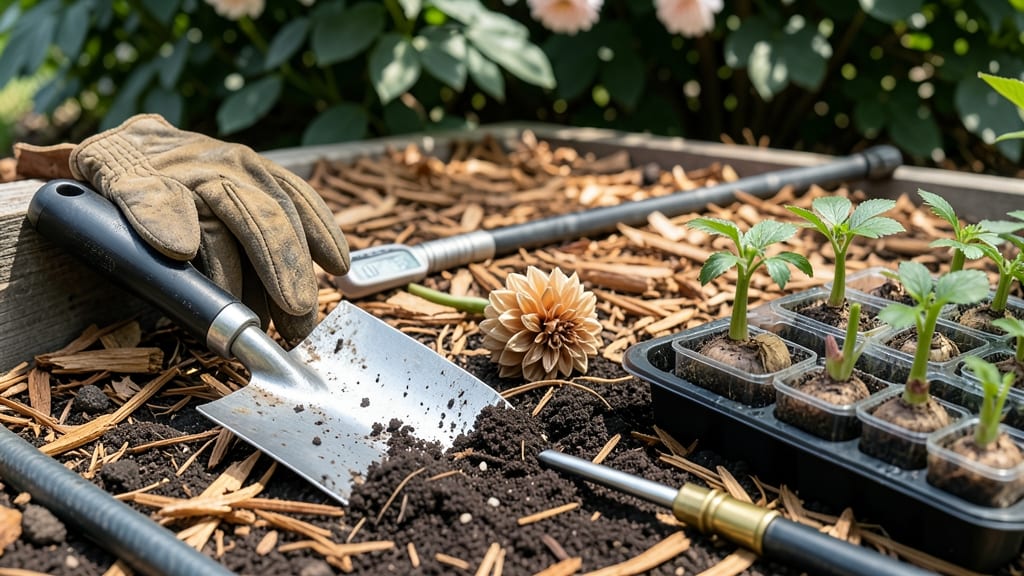
Timing your dahlia planting in Kansas can make or break your garden’s summer show—because those 🌸 blooms won’t wait forever. Plant too early, and a late frost could turn your tubers into sad, wilted memories.
Too late, and you’ll miss the 120-150 days dahlias need to reach their full, dramatic glory.
Here’s the secret: Kansas’ USDA Zones 5b-7a demand precision, not guesswork. Whether you’re in Wichita or Kansas City, the April 15–May 31 window (after the last frost) is your golden ticket to vibrant blooms from July through October.
But with Kansas’ unpredictable weather, knowing exactly when to plant—and how to protect your tubers—isn’t just helpful, it’s essential.
I’ll break down the exact weeks before your last frost to plant for peak blooms, plus how to adjust for your specific corner of the state. We’ll cover soil temps, tuber prep, and even which fast-blooming varieties beat Kansas’ short season.
Ready to turn your garden into a dahlia paradise? Let’s get started.
Skip the trial-and-error: These tips will help you avoid the #1 mistake Kansas gardeners make—planting too late and ending up with half-season blooms. With the right timing, your dahlias will reward you with bold, long-lasting flowers that steal the show all summer long.
Kansas last frost dates: exact weeks before planting dahlias for peak blooms
Timing your dahlia tubers in Kansas means knowing your last frost date—but it’s not as simple as checking a calendar. The state’s USDA Zones 5b-6a mean frost can arrive as early as mid-April in western Kansas or as late as early May in the eastern humid regions.
For peak blooms, aim to plant 2-3 weeks after your local last frost date.
Kansas State University Extension reports that eastern Kansas (e.g., Kansas City) typically sees its last frost around April 15, while western Kansas (e.g., Garden City) may experience frost as late as May 1. This two-week difference can mean the difference between bolted plants or lush summer blooms.
To pinpoint your exact window, use the Kansas Mesonet or KSRE Alerts for real-time frost predictions. For most of Kansas, this translates to planting dahlia tubers between April 22 and May 15.
Soil temperature is just as critical as air temperature. Dahlias need soil at 60°F+ to establish roots—use a soil thermometer to confirm readiness. In cooler years, this could push planting back to late May.
Here’s how to break it down by region:
| Region | Last Frost Date | Planting Window | Soil Temp Goal |
|---|---|---|---|
| Eastern KS (Zone 6a) | April 15 | April 22–May 5 | 60°F+ |
| Central KS (Zone 5b-6a) | April 22 | April 29–May 12 | 60°F+ |
| Western KS (Zone 5b) | May 1 | May 8–22 | 60°F+ |
For gardeners in humid eastern Kansas, where springs can be wet and cool, consider starting tubers indoors in biodegradable pots 4-6 weeks before your target planting date. This gives you a head start and reduces the risk of rot in soggy soil.
In drier western Kansas, focus on mulching heavily after planting to retain moisture. Dahlias in this region often need extra water to compensate for lower humidity and higher winds.
Pro tip: Mark your calendar for June 1 as your final cutoff for planting. After this, dahlias may not establish roots before the summer heat peaks, leading to stunted growth or bolting.
If you’re still unsure, use the 500-degree-day rule: Dahlias need 500+ growing degree days (calculated from your last frost) to bloom. Track this via KS Mesonet or a garden app like Gardenate.
Once you’ve nailed your planting window, the next step is soil prep. Amend your garden beds with compost and a balanced fertilizer (5-10-10) to ensure your dahlias get the nutrients they need for bold blooms.
With the right timing, your Kansas garden could be bursting with dahlias by July—just in time for summer’s peak color! 🌸
How to adjust planting time for Kansas’ unpredictable weather patterns
Kansas’ weather can throw a curveball—one week of 60°F soil can turn into a 28°F surprise frost overnight. That’s why flexible planting strategies are your best defense.
The key is to plant dahlias when the soil temperature consistently stays above 55°F (use a soil thermometer to check!), not just when the air warms up.
In northern Kansas (USDA Zone 5b), where frosts linger until mid-April, I recommend waiting until May 1–15 to plant. For southern Kansas (Zone 6a–7a), you can push it to late April—but always confirm with your local KSRE Extension frost alerts.
🚨 Warning: Planting too early in cool, wet soil causes tuber rot or stunted growth. If your area hasn’t hit 55°F soil temps by late April, delay planting or use row covers to protect tubers.
⚠️ Late Frost Risk in Kansas
Problem: A late frost after planting can kill tender dahlia shoots before they establish roots.
Solution: Use frost blankets or cold frames for the first 2–3 weeks post-planting. Monitor forecasts via the KSRE Extension app for real-time alerts.
Pro Tip: Stagger planting 2 weeks apart to ensure at least one batch survives unexpected frosts.
Another trick? Pre-sprout tubers indoors 4–6 weeks before your target planting date. Place them in potting mix at 65–70°F and watch for 1-inch sprouts. Once sprouted, plant them outdoors—these hardened-off tubers bounce back faster from temperature swings.
For extended blooms, pair your dahlias with heat-tolerant companions like lantana or salvia. These plants help regulate soil temperature and deter pests, giving your dahlias a fighting chance against Kansas’ humid summers and unpredictable fall frosts.
Finally, mark your calendar for October 15—that’s when first frost typically hits. Start cutting back foliage 2 weeks before frost to harden tubers. Dig them up after the first frost, cure them, and store in cool, dry conditions for next year’s bold, early blooms.