
Plants
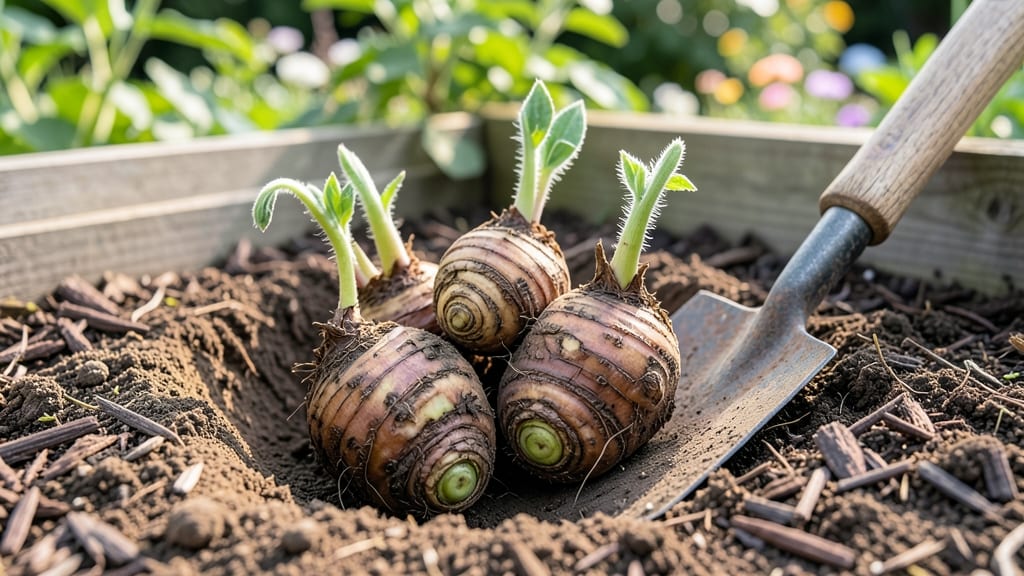
When to plant dahlias in Zone 5 could mean the difference between a showstopping garden and a sad, frost-nipped disappointment. These stunning 🌸 flowers demand precision—plant too early, and you risk losing them to late frosts; wait too long, and your blooming season gets cut short.
Most gardeners in Zone 5 assume mid-May is the magic window, but that’s only part of the story. Soil temperature, local microclimates, and even your backyard’s elevation can shift the ideal planting date by 2-3 weeks.
I’ll break down exactly how to pinpoint your perfect moment, so you can enjoy those bold blooms from July right through October.
Whether you’re starting tubers indoors or transplanting directly into the garden, knowing when to plant isn’t just about dates—it’s about reading your soil and understanding how your specific corner of Zone 5 behaves.
Let’s get those dahlias in the ground at the perfect time, so they reward you with a season of vibrant color.
You’ll also discover how to extend your blooming season with simple tricks, like using row covers or choosing cold-hardy varieties. No more guessing—just confident planting for dahlias that thrive in your Zone 5 climate.
Zone 5 dahlia planting timeline: soil temperature and frost-free guides
Planting dahlias in Zone 5 hinges on two critical factors: soil temperature and last frost dates. Dahlias need soil that’s warmed to at least 60°F to thrive—any cooler, and their tubers risk rotting.
Meanwhile, frost can still linger into mid-May in many Zone 5 areas, so timing your planting after the average last frost is non-negotiable.
Most Zone 5 gardeners aim to plant dahlia tubers 2-4 weeks after the last frost, typically between mid-April and mid-May. However, this window shifts based on your microclimate—urban areas may warm faster than rural spots, while valleys often stay cooler longer.
For precise timing, use the USDA Plant Hardiness Zone Map and your local National Weather Service frost data.
To calculate your exact planting date, check when your soil hits 60°F using a soil thermometer. In my Zone 5b garden in Chicago, soil reaches this threshold around late April, but I wait until early May to plant after confirming frost risk has passed.
This extra caution ensures my 'Café au Lait' dahlias—my go-to for cooler soils—get a strong start.
If you’re unsure about your last frost date, add a 10-day buffer to the USDA average. For example, if your local data shows frost typically ends on May 1, plant no earlier than May 11.
This margin accounts for unpredictable late frosts, which can devastate young dahlia shoots overnight.
Another pro tip: Pre-warm your soil by covering garden beds with black plastic mulch 2-3 weeks before planting. This raises soil temps faster and gives you a 2-week head start on the growing season. Just
For gardeners eager to push the season earlier, starting tubers indoors in late March is an option. Place them in pots with well-draining potting mix and keep them in a bright, warm spot (70°F+). Transplant outdoors after the last frost, but be prepared to harden off seedlings gradually to avoid shock.
🌱 Zone 5 Dahlia Planting Summary
| Stage | Action | Notes |
|---|---|---|
| Soil Prep | Test soil temp (60°F+) | Use black plastic mulch to warm soil faster |
| Indoor Start | Plant tubers in pots (late March) | Keep at 70°F+; harden off before transplanting |
| Outdoor Planting | After last frost (mid-April–mid-May) | Plant 4–6" deep, 12–15" apart |
| Post-Planting | Mulch heavily, water deeply | Use 3–4" mulch to retain moisture |
Once your dahlias are in the ground, focus on consistent moisture and support. Dahlias are heavy feeders, so mulch with 3–4 inches of organic matter (like straw or shredded leaves) to retain moisture and suppress weeds.
I also stake my taller varieties (like 'Arabian Night') immediately to prevent flopping in summer storms.
If you’re planting late in the season (after June 1), opt for dwarf varieties like 'Mignon' or 'Pompon', which mature faster and still produce stunning blooms. These varieties are perfect for container gardening or small spaces, and they often rebloom until frost.
Remember, dahlias are tender perennials in Zone 5—they won’t survive winter outdoors. After the first frost in October, dig up tubers, trim foliage, and store them in a cool, dry place (40–50°F) until next spring. Proper storage ensures you’ll have bigger, healthier plants for your next growing season.
Microclimate adjustments: urban heat islands vs. cool valleys in Zone 5
Zone 5’s 150 frost-free days give dahlias just enough time to shine—but your exact location within the zone can shift ideal planting dates by 2-4 weeks. Urban areas like Chicago or Minneapolis often experience heat islands that warm soil faster, while rural valleys or north-facing slopes stay cooler longer.
These microclimates mean your neighbor’s perfect timing might not work for your garden.
For example, a city garden surrounded by pavement and buildings can see soil reach 60°F (the safe planting threshold) 2 weeks earlier than a wooded hillside just 10 miles away.
Even a south-facing slope in your backyard might be ready 1 week ahead of a north-facing bed. Understanding these variations ensures your dahlias get off to the right start.
Here’s how to adjust your planting schedule based on your microclimate:
If you’re unsure about your microclimate, use a soil thermometer to check when your garden bed hits 60°F. This is your true planting cue—more reliable than calendar dates.
For city gardeners, planting 1-2 weeks earlier than the average Zone 5 date often works, while rural gardeners should wait until after the last frost date (usually mid-May).
Pro tip: Stagger your planting by 1-2 weeks if you have multiple beds with different microclimates. This spreads out your blooming season and ensures you’ll have 🌸 dahlias in color from July through October, no matter where your garden sits in Zone 5.
Don’t let microclimates stress you out—just observe your garden’s behavior for a few seasons, and you’ll quickly learn its unique rhythm. With the right adjustments, your dahlias will thrive whether you’re in a sun-baked city or a cool mountain valley.