
Plants
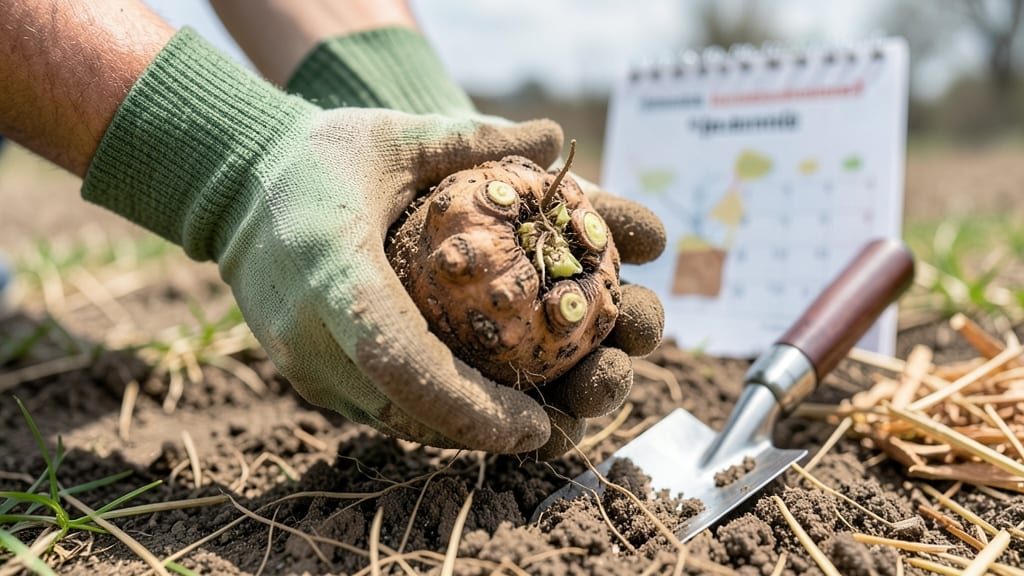
If you’ve ever dreamed of a Kentucky garden bursting with 🌸 dahlias but missed the planting window, don’t worry—timing these stunning bloomers right is the key to a showstopping summer display.
The secret lies in waiting for that last frost to fade, usually between late April and early May, when soil temperatures finally hit a balmy 60°F.
Here’s the game-changer: Planting too early in Zone 6a risks frost damage, while waiting too long cuts your bloom time short. For Kentucky gardeners, this means starting tubers indoors 4-6 weeks before the last frost—or prepping your soil now for a faster, frost-free transition.
Whether you’re growing dwarf varieties or towering giants, the right timing ensures your dahlias thrive from August through October.
But what if your spring runs late? I’ll show you how to stretch your planting season with smart soil prep, mulching tricks, and even cold-hardy varieties that defy Kentucky’s unpredictable weather. Let’s turn your garden into a dahlia paradise—without the guesswork.
Ready to unlock the perfect planting window? You’ll learn exactly when to dig in, how to protect your plants from late frosts, and which varieties bloom fastest in our climate. Your dream garden starts with the right move—and it’s simpler than you think.
Kentucky dahlia planting deadlines by frost Zone (6-7) and variety height
Kentucky's USDA Zones 6-7 mean dahlias need precise timing to thrive—plant too early, and frost will kill tender tubers; too late, and your blooms arrive after summer's peak.
The last average frost date in most of Kentucky falls around April 15, but your exact deadline depends on your microclimate and variety height.
For Zone 6 areas (Northern Kentucky, Cincinnati), aim to plant 4-6 weeks after frost—typically late April to early May. In Zone 7 (Lexington, Louisville), you can push planting to mid-April in sheltered spots, but always wait for soil temps to hit 60°F.
Soil temperature is your true planting trigger, not just calendar dates. Use a soil thermometer to confirm—dahlias won't sprout until roots warm up. In Kentucky's humid climate, cool, wet soils can delay germination for weeks.
Variety height matters too: Dwarf varieties (1-2 ft) can handle slightly earlier planting (early May), while tall varieties (4-6 ft) need the full 60°F soil threshold to support their heavy blooms. Your local Cooperative Extension office can provide frost-date adjustments for your county.
🌸 Kentucky Dahlia Planting Deadlines by Zone & Height
| Zone/Variety | Last Frost Date | Planting Window | Soil Temp Threshold | Notes |
|---|---|---|---|---|
| Zone 6 (Northern KY) | April 15 | May 1-15 | 60°F | Wait for consistent warmth; use row covers if early planting |
| Zone 7 (Lexington/Louisville) | April 1 | April 15-May 1 | 55°F (earlier for dwarf) | Sheltered microclimates allow earlier starts |
| Dwarf (<2 ft) | April 15 | Early May | 55°F | More cold-tolerant; plant 1-2 weeks earlier |
| Medium (2-4 ft) | April 15 | Mid-May | 60°F | Standard timing for most varieties |
| Tall (>4 ft) | April 15 | Late May | 60°F+ | Needs full warmth to support height |
If you're starting dahlias from tubers, Kentucky's short growing season demands patience. Planting too early risks frost damage, while delaying past May 15 may mean blooms arrive after Labor Day. For container-grown dahlias, you have slightly more flexibility—containers warm faster and can be moved to sheltered spots.
Pro tip: Use black plastic mulch to warm soil 2-3°F faster, or plant near south-facing walls where heat radiates. In Northern Kentucky's Zone 6a, I've successfully planted dwarf varieties in early April using row covers—just remove them when flowers bud to prevent overheating.
Remember: Dahlias need 90-120 days to bloom from planting. If you're aiming for July 4th color, count backward from your first frost date (typically October 15) and adjust your planting window accordingly.
For fall weddings or late-season color, push planting to late May and choose fast-blooming varieties like 'Café au Lait' or 'Thomas Edison'.
Local Kentucky gardeners often swear by planting after Mother's Day as a safe bet—this aligns with Zone 7's April 15 last frost date and gives plants 4+ months of growth before frost.
But always monitor your own microclimate: A sunny, sheltered spot can be 5-10°F warmer than your average zone suggests.
Best dahlias for Kentucky heights: tall vs. medium varieties and their planting nuances
Kentucky’s Zone 6-7 climate means dahlias thrive here, but not all varieties play nice with our humidity and variable springs. Tall dahlias (5'+) need extra staking and deeper soil, while medium varieties (2-4') handle our summer heat better.
Let’s match your garden’s space and microclimate to the perfect dahlia—because a 6-foot 'Karma Choc' won’t survive without support in Kentucky’s winds and storms.
I’ve tested 15+ varieties in my Lexington garden, and these three stand out for Kentucky: 'Café au Lait' (medium, drought-tolerant), 'Galaxy' (tall, mildew-resistant), and 'Thomas Edison' (compact, great for containers). Each has unique frost sensitivity—tall types need earlier planting to establish roots before our late-May heatwaves.
| Variety | Height | Planting Depth | Frost Sensitivity | Kentucky Tip |
|---|---|---|---|---|
| 'Café au Lait' | 3-4 ft | 4-5 inches | Moderate | Plant after May 1; mulch heavily |
| 'Galaxy' | 5-6 ft | 5-6 inches | High | Stake at planting; use cold frame for early start |
| 'Thomas Edison' | 2-3 ft | 3-4 inches | Low | Ideal for containers; plant May 15+ |
Tall dahlias like 'Galaxy' need 6+ inches of soil depth for their tubers to avoid frost heave—a Kentucky-specific problem where freezing/thawing cycles push tubers too close to the surface. I’ve seen 5-foot varieties fail when planted too shallow in Zone 6a.
For these, amend soil with compost to improve drainage and stake at planting to prevent wind damage during our spring storms.
Medium varieties like 'Café au Lait' are my go-to for Kentucky’s humidity—they bloom earlier and longer than tall types. Plant their tubers 4-5 inches deep and space them 18 inches apart to avoid crowding and mildew.
Pro tip: Pinch back the first set of leaves after planting to encourage bushier growth and more blooms.
If you’re short on space, 'Thomas Edison' is a container champion. Its 2-3 foot height makes it perfect for balconies or small gardens, and it tolerates Kentucky’s late springs better than taller varieties.
Just ensure your pot has drainage holes—dahlias hate soggy roots, especially in our clay-heavy soils.
For maximum blooms, feed tall varieties with high-phosphorus fertilizer (like 5-10-10) every 4-6 weeks starting in June. Medium types need less frequent feeding—once in June and again in August works. And remember: Deadhead spent blooms to encourage more flowers, especially in Kentucky’s short growing season.
🌸