
Plants
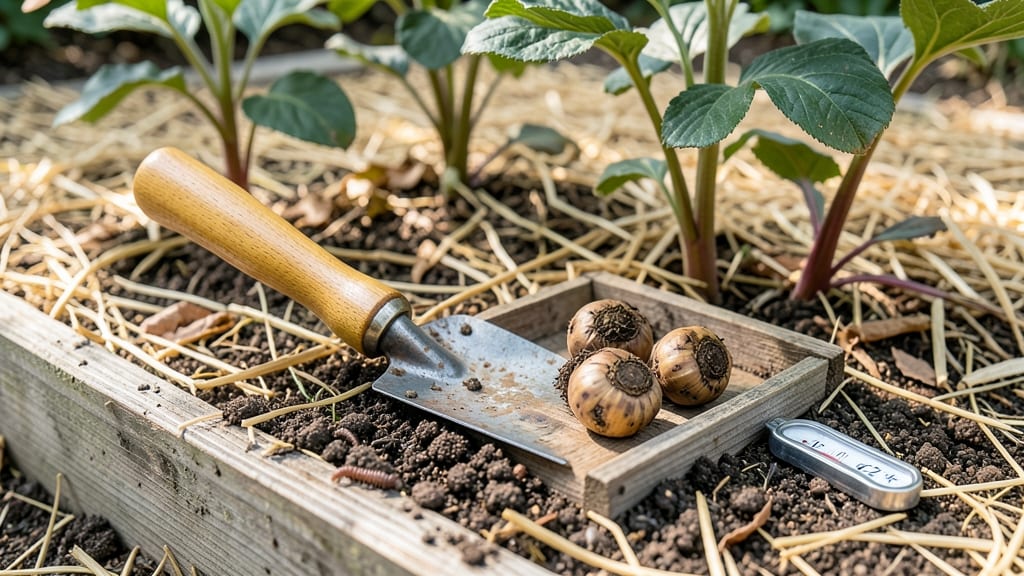
When to plant dahlias in Zone 8b can make all the difference between a showstopping summer garden and a season of disappointment. Timing them just right means the difference between stunning summer blooms and wasted tubers. Plant them too early, and frost will nip your progress in the bud—literally. But get the window perfect, and you’ll enjoy vibrant flowers from July right through October.
Most gardeners in Zone 8b wait until after the last frost (usually around mid-March), but there’s more to it than just dates.
Soil temperature matters just as much—aim for at least 60°F—and regional microclimates (like Southern California’s mild springs vs. Virginia’s slower warming) can shift your ideal planting window by weeks.
I’ve learned the hard way that rushing dahlias into the ground too soon leads to stunted growth or even rot.
The key is balancing warmth with patience, and I’ll show you exactly how to do it—plus tricks to protect your plants from late-spring heat spikes that can stress them before they even bloom.
Whether you’re a first-time dahlia grower or a seasoned gardener, these insights will help you avoid common mistakes and maximize your Zone 8b planting success. Let’s get those tubers in the ground the right way!
Optimal dahlias planting timeline for Zone 8b: frost dates and heat tolerance
Zone 8b gardeners face a delicate balance: dahlias need warmth to thrive, but late spring in this zone can bring sudden heat spikes or lingering frost. The ideal planting window spans from mid-April to early May, when soil temperatures consistently stay above 60°F and nighttime lows exceed 50°F.
This timing ensures your tubers won’t rot from cold soil or bolt from premature heat stress.
In most of Zone 8b—think Southern California to Virginia’s Piedmont—the average last frost date falls around March 15, but microclimates can shift this by 2-3 weeks.
For example, coastal areas like San Diego may be frost-free by early March, while inland spots like Charlottesville might see frost lingering until April 1. Always check your local frost maps or use a frost calendar app for precision.
Here’s the golden rule: Wait until soil warms to 60°F before planting. Use a soil thermometer to verify—cold soil slows root growth and invites rot diseases.
In my Zone 8b garden, I’ve found that planting 2-3 weeks after the last frost (around April 15) gives dahlias enough time to establish roots before summer’s intensity peaks.
Avoid the common mistake of planting too early just to beat the heat. I once rushed dahlias into the ground in early April, only to watch them wilt during a 48°F night.
The lesson? Patience pays off—your dahlias will reward you with longer stems and bigger blooms if you time it right.
Now, let’s talk heat tolerance. Not all dahlias handle Zone 8b’s late spring heat equally. Heat-tolerant varieties like ‘Café au Lait’ or ‘Thomas Edison’ can handle 90°F+ days better than delicate ‘Karma Choc’ or ‘Gallery Pink’. Below, you’ll see a side-by-side comparison to help you choose wisely.
| Variety | Heat Tolerance | Best Planting Time | Bloom Time | Notes |
|---|---|---|---|---|
| ‘Café au Lait’ | High (90°F+) | Late April | July–October | Drought-resistant; great for dry spells |
| ‘Thomas Edison’ | High (85°F+) | Early May | August–Frost | Long stems; ideal for cutting gardens |
| ‘Karma Choc’ | Moderate (80°F) | Mid-April | June–September | Needs afternoon shade in peak heat |
| ‘Gallery Pink’ | Low (75°F) | Late April | July–August | Best in cooler microclimates |
If you’re in a hotter microclimate (like Phoenix or San Antonio), consider starting tubers indoors 6-8 weeks before your target planting date. This gives you a 2-week head start on the season. Use biodegradable pots and transplant seedlings directly into the ground after the last frost—no root disturbance!
For cooler pockets of Zone 8b (e.g., Appalachian foothills), delay planting until early May to avoid late spring frosts. I’ve had success using row covers for the first 2 weeks to shield young plants from unexpected chills.
Pro tip: Monitor your local weather for heat waves in late May. If temperatures are forecasted to hit 95°F+ within 10 days of planting, hold off until early June. Dahlias can handle heat, but sudden spikes stress tubers and stunt growth.
Once you’ve nailed the timing, focus on soil prep
Optimal dahlias planting timeline for Zone 8b: frost dates and heat tolerance
In Zone 8b, the window for planting dahlias is narrow but critical—aim for late March to early April after your last frost date.
This timing balances the risk of late frosts (which can kill tender tubers) with the need to avoid extreme heat that stresses newly planted dahlias before they establish roots.
Your local last frost date is typically around March 15, but don’t rush to plant immediately. Dahlias need soil temperatures of at least 60°F to thrive, which often happens 2-3 weeks after the last frost in Zone 8b. Use a soil thermometer to confirm—this small investment prevents wasted tubers.
Here’s the golden rule: Plant dahlias when nighttime temperatures consistently stay above 50°F. In Southern California, this might mean early March, while in Virginia, you’ll likely wait until late April. Microclimates matter—sheltered spots warm faster than open areas.
🌱 Dahlias Planting Comparison: Traditional vs. Heat-Tolerant Varieties
| Variety Type | Best Planting Window | Heat Tolerance | Zone 8b Notes |
|---|---|---|---|
| Traditional Dahlias | Late March–Early April | Moderate (50–85°F) | Risk of bolting in late spring heat; needs afternoon shade. |
| Heat-Tolerant Varieties | Early April–Mid-April | High (60–95°F) | Thrive in Zone 8b’s summer heat; ideal for late plantings. |
| Dwarf Varieties | Early April–Late April | Low-Moderate (50–80°F) | Best for containers; handle heat better than tall types. |
💡 Pro Tip: Heat-tolerant varieties like 'Café au Lait' or 'Bishop' can be planted 2 weeks later than traditional types without stress.
If you’re unsure about your local frost dates, check the USDA Plant Hardiness Zone Map or use a frost calendar app like Old Farmer’s Almanac. For Zone 8b, add 2 weeks of buffer time after your official last frost date to account for unpredictable late cold snaps.
Once planted, dahlias need 6–8 hours of sunlight daily to bloom, but avoid planting in full sun until soil warms. Early-morning sun is ideal for establishing roots before the heat peaks. Mulch with 2–3 inches of straw to retain moisture and moderate soil temperature.
Remember, dahlias are perennials in Zone 8b—with proper care, they’ll return year after year. But first, you’ve got to get them in the ground at the right time.
Start with well-draining soil, plant tubers 4–6 inches deep, and space them 12–18 inches apart for optimal airflow and growth.