
Planting
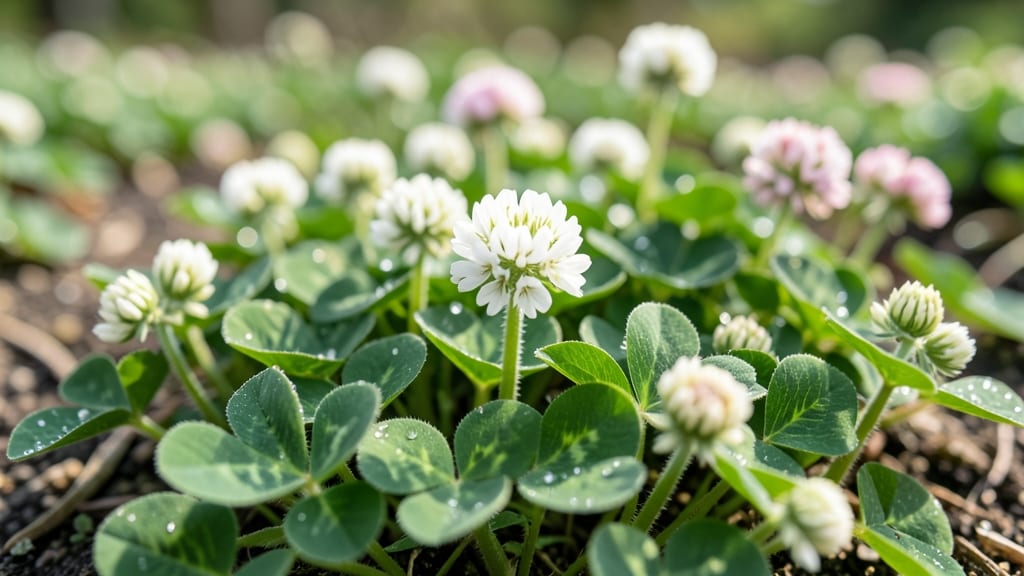
When to plant deer food plots in Kentucky can make or break your whitetail hunting success—and getting it wrong means wasted seeds and missed opportunities. With 6a-7b climate zones and deer that follow strict seasonal patterns, planting at the wrong time leaves your plot either struggling through frost or competing with weeds when bucks are most active.
Most hunters assume spring planting is the only option, but fall offers a critical second chance to establish lush forage when deer are fattening up for winter. The key? Understanding Kentucky’s frost dates and how to prepare soil for maximum growth—whether you’re seeding clover in March or brassicas in September.
I’ve helped landowners turn their food plots from hit-or-miss experiments into reliable whitetail magnets by mastering these timing secrets. From soil prep to seed selection, I’ll walk you through exactly when to plant, what to grow, and how to keep deer coming back all season long.
Ready to transform your property into a deer destination? Let’s dive into the best planting windows—and the mistakes that’ll cost you bucks at the stand.
Optimal Kentucky food plot planting calendar: spring vs fall timing breakdown
Kentucky’s variable climate—with its humid summers and chilly winters—means deer food plot timing is everything. Plant too early, and frost will kill your seedlings. Plant too late, and your plot won’t mature before deer need winter forage.
The ideal windows are early spring (March-April) and early fall (September-October), aligning with Kentucky’s USDA zones 6a-7b.
In my years of managing plots, I’ve learned that soil temperature matters just as much as air temperature. Seeds need consistent soil temps above 50°F to sprout reliably. That’s why I always test soil warmth before planting—especially in northern Kentucky’s cooler microclimates like the Pennyroyal region.
🌱 Kentucky Food Plot Planting Comparison
| Season | Best Planting Month | Soil Prep | Key Crops | Deer Activity Peak |
|---|---|---|---|---|
| Spring | March-April | Tilled 6-8", pH 6.0-6.5, add lime if needed | Clover, chicory, brassicas | Late spring/summer |
| Fall | September-October | Tilled 4-6", test pH, add phosphorus | Winter peas, cereal rye, turnips | Late fall/winter |
| Avoid | May-July | High heat stress, poor germination | N/A | N/A |
💡 Pro Tip: Northern Kentucky (e.g., Lexington) plants 2 weeks later than southern regions (e.g., Bowling Green) due to frost timing.
For spring planting, I always aim to have my plots established by mid-April—just as deer shed their winter coats and start seeking high-protein forage. The Bluegrass region often gets a head start, while Pennyroyal Plateau areas may need to wait until late April to avoid frost.
Fall planting is trickier because Kentucky’s first frost can hit as early as October 15 in higher elevations. That’s why I plant cereal rye in early September—it germinates quickly and provides winter cover before deer need it most.
For brassicas like turnips, I plant in late September to ensure they mature before frost.
One critical adjustment I make is for elevated areas like the Cumberland Plateau. These zones often experience earlier frosts, so I shift my fall planting to mid-August for faster-growing crops. Always check your local frost dates—they’re your best guide!
Don’t forget that soil moisture plays a huge role. Kentucky’s spring rains can make planting difficult if fields are too wet. I’ve learned to wait until soils are workable but not soggy—usually when you can make a mud ball that holds its shape.
For fall, I prioritize drought-resistant crops like clover mixes to handle Kentucky’s unpredictable autumn weather.
Finally, I always overseed lightly in both seasons. A 10-20% buffer accounts for poor germination spots, and it gives deer more options when browsing. My go-to mix is 50% clover (for protein) and 50% brassicas (for bulk)—this combo keeps whitetails coming back year after year.
🌾 Key Takeaway: Kentucky’s two planting windows—spring for summer forage and fall for winter browse—are your best bet for consistent deer activity.
Top 5 Kentucky food plot crops by planting season: whitetail preferences and growth cycles
Kentucky’s whitetails rely on seasonal forage, so planting the right food plot crops at the right time ensures they have a buffet when they’re most active. Spring and fall are your prime windows, but the crops you choose should align with deer browsing patterns.
For example, clover thrives in spring when bucks are recovering from winter, while brassicas shine in fall when rutting season ramps up.
Here’s my breakdown of the top 5 crops for Kentucky, ranked by deer preference and planting season. Each offers unique benefits—whether it’s fast growth for early-season appeal or hardiness for late fall browsing. I’ve included growth timelines so you can plan for peak forage when deer are hungry.
🌱
| Crop | Best Planting Time | Deer Preference | Growth Timeline | Maintenance Tips |
|---|---|---|---|---|
| Clover (Red/White) | Early Spring (March-April) | ⭐⭐⭐⭐⭐ (Top choice for spring) | 4-6 weeks to establishment; peak 60-90 days | Mow at 3-4 inches; reseed annually |
| Brassicas (Turnips/Rape) | Late Summer (August-September) | ⭐⭐⭐⭐ (Fall rut staple) | 30-45 days to harvest | Harvest before bolting; rotate crops yearly |
| Chufa (Tiger Nut) | Early Fall (September-October) | ⭐⭐⭐⭐ (Late-season favorite) | 60-90 days to maturity | Drought-tolerant; minimal care after planting |
| Cereal Rye | Fall (September) or Spring (March) | ⭐⭐⭐ (Winter cover) | 30 days to germination; winter hardy | Mow before seeding; great for soil health |
| Sorghum-Sudangrass | Late Spring (May-June) | ⭐⭐⭐ (Summer browse) | 45-60 days to harvest | Cut at 18-24 inches; regrows quickly |
Pro tip: Mix clover with brassicas in spring for a two-tiered food source—deer love the variety, and you’ll see activity from early spring through fall.
For fall plantings, chufa and cereal rye are my top picks because they hold up in cooler temps and provide late-season nutrition when bucks are gearing up for the rut.
If you’re planting for year-round appeal, rotate crops annually to prevent soil depletion and deer boredom. For example, use clover in spring, brassicas in fall, and sorghum in summer. This keeps your plots fresh and deer coming back for more.
🌿