
Plants
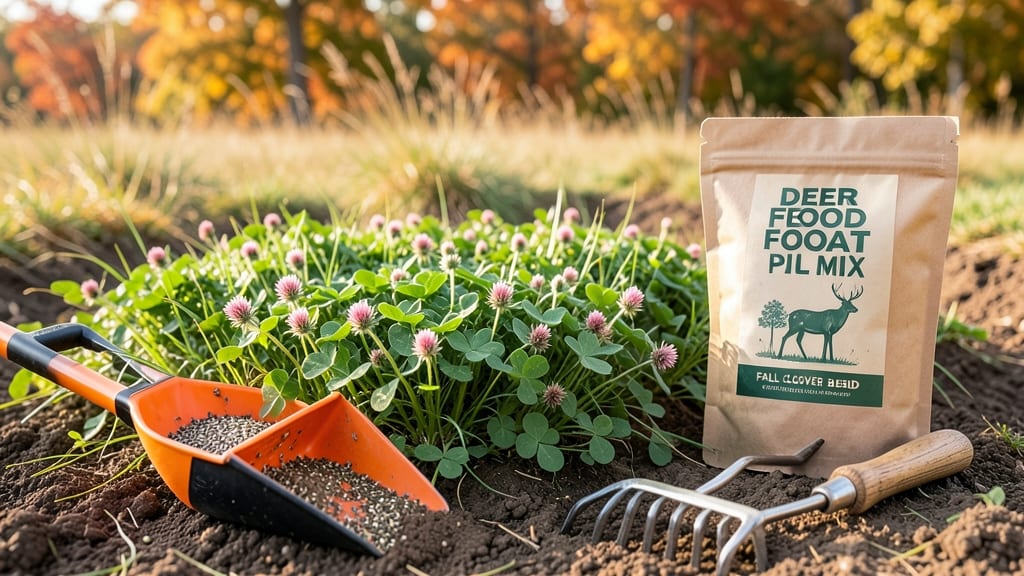
If you're planting fall food plots in Georgia, getting the timing right could mean the difference between a thriving whitetail buffet and a wasted investment.
The ideal window—late July through early September—lets you take full advantage of Georgia's 7b-8b climate, ensuring your 🌾 plots mature before frost sets in.
Miss this window, and you risk plots that bolt too quickly or get nipped by early frosts, leaving deer hungry when they need nutrition most. Whether you're planting clover, brassicas, or winter peas, understanding your local frost dates and soil conditions is key to success.
I'll break down exactly when to plant for maximum growth, which crops work best in Georgia's fall weather, and how to stretch your plots' lifespan to keep deer coming back all season. Let's get your food plots growing strong before the first frost hits.
With the right timing, you'll have lush forage ready for the rut—and maybe even a few more bucks on camera. Ready to learn the best strategies for your Georgia property?
Optimal planting windows for Georgia’s fall food plots by region
Georgia’s diverse climate means your planting window for fall food plots can vary dramatically between North Georgia’s cooler highlands and Central/South Georgia’s warmer lowlands.
In the mountains (USDA Zone 7a), the first frost often arrives by mid-October, while in Central Georgia (Zone 8a), you might push planting until early November before frost risks spike.
The key is planting 4-6 weeks before your area’s average first frost to ensure robust growth before winter sets in.
For North Georgia hunters, aim to plant late July to early August—this gives brassicas and clovers enough time to establish before cooler temps slow growth. In Central/South Georgia, you’ve got a bit more flexibility, with mid-August to early September being ideal.
Always check your local frost risk maps (like the ones from the Georgia Automated Environmental Monitoring Network) to pinpoint your exact window.
Soil temperatures also dictate success. Most fall food plot seeds need soil temps between 50°F and 75°F for optimal germination. In Georgia, this typically aligns with late July through mid-September, but cooler high-elevation areas may need earlier planting.
Use a soil thermometer to confirm—if temps dip below 50°F, germination slows dramatically.
Here’s how to break it down by region for maximum deer appeal before the rut:
| Region | USDA Zone | First Frost Avg. | Ideal Planting Window | Soil Temp Goal |
|---|---|---|---|---|
| North Georgia (Mountains) | 7a-7b | Mid-October | Late July - Early August | 50°F-75°F |
| Central Georgia (Piedmont) | 7b-8a | Late October | Mid-August - Early September | 55°F-75°F |
| South Georgia (Coastal Plain) | 8a-8b | Early November | Late August - Early September | 60°F-75°F |
Pro tip: If you’re in a transition zone (like the foothills), err on the earlier side—cooler microclimates can push frost dates weeks ahead of official averages.
For example, a North Georgia valley might frost out by October 15, while a ridge top could hold off until November 1. Scout your property for frost pockets using a wire mesh frost cloth test in early fall.
Another critical factor is deer pressure timing. In Georgia, the peak rut for whitetails typically runs from mid-October to early November, meaning your food plots should be fully established and lush by early October.
This gives bucks 4-6 weeks of high-protein forage before the rut peaks—just when they need it most for antler development and breeding stamina.
For brassicas (like turnips and radishes), plant 6-8 weeks before frost—they grow quickly but need warm soil to germinate. Clover mixes can handle cooler temps and should be sown 4-6 weeks before frost. Cereal rye is the most frost-tolerant and can be planted as late as early October in warmer zones, but it’s best established earlier for maximum biomass.
Don’t forget to adjust for elevation. Every 1,000 feet gain in elevation drops temperatures by 3-5°F, which can shift your frost date by 1-2 weeks. If you’re planting at 2,000+ feet in North Georgia, treat it like Zone 6—plant late June to mid-July for safety.
Finally, monitor local weather patterns. Georgia’s fall weather can be unpredictable—one year might bring an early frost in October, while another could delay it until December. Use NOAA’s climate prediction center to track El Niño/La Niña patterns, which can influence Georgia’s frost dates.
If an early cold snap is forecast, consider covering young seedlings with frost blankets to buy them extra time.
With the right timing, your fall food plots will be bursting with deer-attracting forage just as the rut kicks into high gear—giving you the edge every hunter dreams of. 🌾
Optimal planting windows for Georgia’s fall food plots by region
Georgia’s diverse climate means your fall food plot timing depends heavily on where you hunt. North Georgia’s higher elevations (USDA Zone 7b) experience earlier frosts, while Central and South Georgia (Zone 8a-8b) enjoy longer growing seasons.
For example, Atlanta-area hunters have until early September, but those in the Blue Ridge Mountains should plant by mid-August to avoid frost.
The key is planting 4-6 weeks before your first frost date. In North Georgia, this typically means late July to early August, while South Georgia can stretch planting until mid-September.
Use Georgia’s frost risk maps (available from the UGA Extension) to pinpoint your exact window—just plug in your ZIP code for precise data.
Soil temperature also plays a critical role. Most fall food plot crops like clover and brassicas thrive when soil temps stay above 50°F (10°C). In Georgia, this usually aligns with late August for optimal germination. Use a soil thermometer to confirm before planting—cold soils can delay sprouting by weeks.
Georgia Fall Food Plot Planting Windows by Region
| Region | USDA Zone | Ideal Planting Window | First Frost Date | Best Crops |
|---|---|---|---|---|
| North Georgia | 7b | Late July - Early August | Mid-November | Brassicas, Cereal Rye |
| Central Georgia | 8a | Early August - Mid-September | Late November | Clover, Winter Peas |
| South Georgia | 8b | Mid-August - Early October | Early December | All Crops |
If you’re in a transition zone (like near the Fall Line), consider planting a mix of early-maturing brassicas (like turnips) and longer-season clovers to hedge your bets. This strategy ensures you have forage available even if frost comes early.
For example, plant turnips in late July and clover in early August—the turnips will be ready first, while the clover extends the season.
Don’t forget to account for microclimates on your property. South-facing slopes stay warmer and dry out faster, while low-lying areas may hold moisture longer. Test your soil’s drainage and pH before planting—Georgia’s clay-heavy soils often need amendments like lime or gypsum to improve conditions.
A quick soil test from the UGA Extension can save you from costly mistakes.
Pro tip: Mark your planting dates on a calendar and set reminders for follow-up tasks like fertilizing (August) and watering (critical in September).
With the right timing, your food plots will be lush and ready to attract whitetails just as the rut kicks off—giving you the edge every hunter wants. 🌾