
Plants
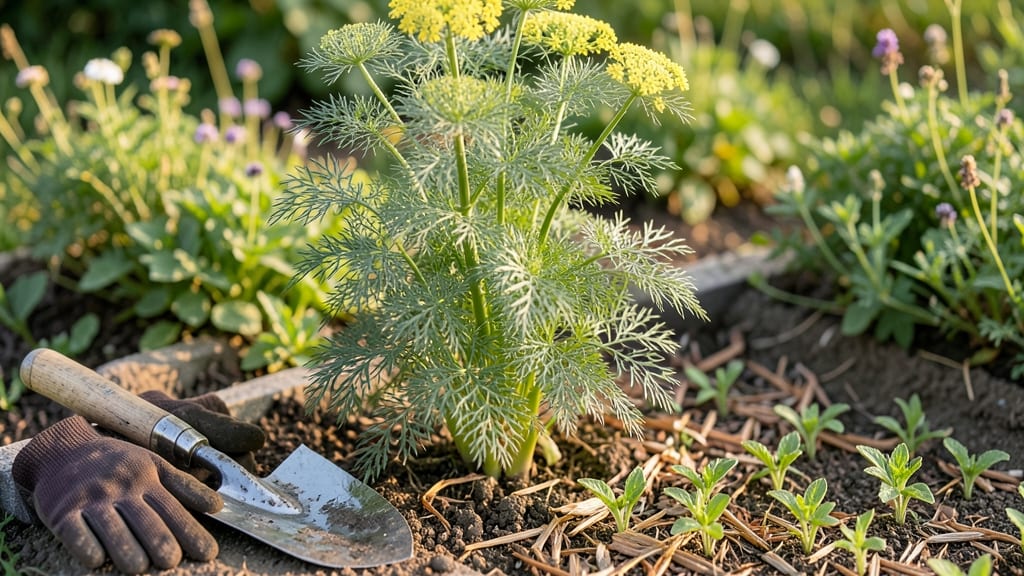
Planting dill in Texas isn’t just about grabbing seeds and sticking them in the dirt—it’s about timing those late winter and early fall windows to dodge brutal heat or early frost.
One wrong move, and you’re left with sad, bolting plants instead of the fragrant 🌿 bunches you crave for pickles or soups.
I’ve grown dill in Texas for years, and the difference between a thriving harvest and a flop comes down to knowing your microclimate.
Whether you’re in frost-prone North Texas or the milder South, the right planting weeks mean the difference between wimpy stems and lush, flavorful plants ready by April or October.
Here’s the secret: Dill hates heat and cold extremes, so we’ll break down exactly when to start seeds in your region—plus how to stretch your harvest through Texas summers. No more guessing games, just actionable tips to keep your dill growing strong when it matters most.
Ready to grow dill that’ll make your kitchen smell amazing? Let’s get into the Texas-specific planting schedule that actually works.
Texas microclimate planting windows for dill: exact weeks by region
Texas' diverse climate means your dill planting schedule depends heavily on whether you're in North Texas (Dallas/Fort Worth), Central Texas (Austin/San Antonio), or South Texas (Houston/Corpus Christi). Each region has different last frost dates and heat tolerance thresholds that determine when dill seeds will germinate successfully without immediate stress.
For North Texas, where frosts can linger into mid-February, aim to plant dill seeds 2-3 weeks after your average last frost date—typically between late February and early March. This gives seedlings time to establish before summer heat arrives.
In Central Texas, where frosts usually retreat by early February, you can start planting as early as mid-February for a spring harvest.
South Texas gardeners enjoy the longest growing season, with January 15 being the average last frost date. Here, you can push planting back to late January or early February for a spring crop.
However, all regions benefit from a second planting in early fall (August-September) to avoid summer bolting and extend your harvest into late fall.
Soil temperature is critical for germination—dill seeds need soil that's warmed to at least 60°F (15°C). In North Texas, this usually aligns with mid-March, while Central and South Texas can meet this threshold as early as late February.
Always test soil temperature with a thermometer before planting to avoid slow or failed germination.
Here’s a quick reference for your region’s ideal planting windows:
| Region | Spring Planting Window | Fall Planting Window | Soil Temp Requirement | Harvest Window |
|---|---|---|---|---|
| North Texas (Dallas/Fort Worth) | Late February - Early March | August - Early September | 60°F (15°C) minimum | April - June, October - November |
| Central Texas (Austin/San Antonio) | Mid-February - Early March | Late August - Early September | 60°F (15°C) minimum | March - May, September - November |
| South Texas (Houston/Corpus Christi) | Late January - Early February | Late July - Early August | 60°F (15°C) minimum | February - April, September - December |
If you’re in a transition zone between regions (like the Hill Country or East Texas), err on the side of planting 1-2 weeks later than the earlier region’s window.
This accounts for microclimates where frost can linger longer or soil warms more slowly. For example, areas near Lake Travis may experience later frosts than downtown Austin.
Pro tip: Use black plastic mulch to warm soil faster in early spring plantings. This can shave off 1-2 weeks from your germination timeline, especially in North Texas. Just remove it once seedlings emerge to prevent overheating.
For container gardeners in urban areas, start seeds indoors 4-6 weeks before your region’s last frost date. Use biodegradable pots to transplant seedlings directly into the ground, minimizing root disturbance that dill hates.
Remember, dill is a cool-season crop, so avoid planting during Texas’ brutal summer months (June-August). The combination of 90°F+ temperatures and low humidity will cause dill to bolt prematurely, turning your fragrant herb into a bitter, seed-producing stalk before you can harvest.
Texas microclimate planting windows for dill: exact weeks by region
Dill thrives in Texas’s cool seasons, but the exact planting weeks depend on whether you’re in North Texas, Central Texas, or South Texas. Each region has different last frost dates and heat tolerance thresholds, so let’s break it down to avoid bolting or frost damage.
For North Texas (think Dallas/Fort Worth), aim to plant dill seeds 2-4 weeks before your last frost date, which typically falls around February 15. This gives seedlings time to establish before 90°F+ heat arrives in May.
In Central Texas (Austin/San Antonio), your last frost is earlier—around February 1, so start seeds by late January.
South Texas (Houston/Corpus Christi) gardeners have the longest growing window. Plant seeds January 15–February 15 to avoid early frosts and stretch harvests until November. The key is ensuring soil temps stay above 50°F for germination—use a soil thermometer if unsure.
| Region | Last Frost | Planting Window | Harvest Window | Key Tip |
|---|---|---|---|---|
| North Texas | Feb 15 | Feb 1–Mar 15 | Apr–Jun | Use shade cloth in summer |
| Central Texas | Feb 1 | Jan 20–Feb 28 | Mar–May | Mulch to retain moisture |
| South Texas | Jan 15 | Jan 15–Feb 15 | Feb–Nov | Extend with containers |
Don’t forget fall planting! In all regions, sow seeds again in August–September for a second harvest before the first frost. South Texas can even squeeze in a third planting in October for a late-winter harvest.
Pro tip: Use black plastic mulch to warm soil faster in early spring, or row covers to protect seedlings from late frosts. I’ve seen dill bolt in 80°F+ temps, so timing is everything.
Now that you’ve got your planting weeks locked in, let’s tackle how to keep dill thriving through Texas summers—because even the best timing won’t save you from heat stress! 🌿