
Plants
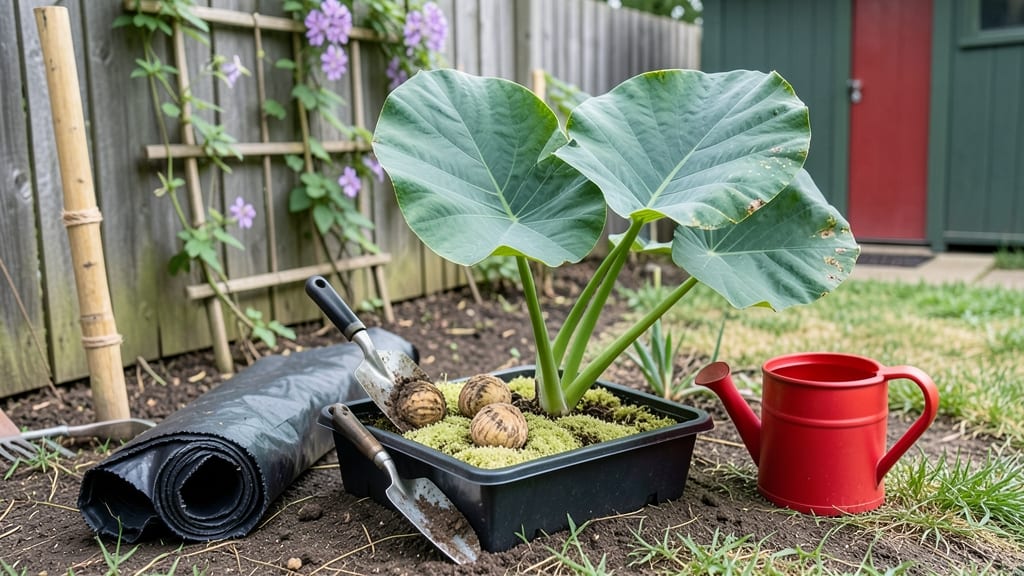
If you’ve ever stared at your garden calendar wondering when to plant elephant ear bulbs in Missouri, you’re not alone. Missouri’s unpredictable spring weather can turn a great planting plan into a frost-killed flop if you’re not careful.
But here’s the good news: with the right timing, you can grow those dramatic 🌿 Elephant Ear leaves that’ll make your garden the envy of the neighborhood.
The key is planting after the last frost—typically between mid-April and May—when soil temperatures finally climb above 60°F. In Missouri’s 5b-7a zones, rushing too early means risking cold damage, while waiting too long could leave you scrambling as summer heats up.
Let’s break down the exact window and soil prep tricks to ensure your Elephant Ear tubers thrive from day one.
You’ll also discover how to spot the perfect planting conditions—like soil warmth and air temperature cues—and avoid common mistakes that stall growth. Plus, I’ll share pro tips for extending your Elephant Ear’s season, so you can enjoy those bold leaves well into fall.
Ready to transform your garden with this tropical stunner? Let’s get started.
This isn’t just about throwing tubers in the ground and hoping for the best. It’s about working with Missouri’s climate to give your Elephant Ear the head start it needs.
Whether you’re a first-time gardener or a seasoned pro, these insights will help you plant with confidence—and watch your garden come alive.
Missouri’s ideal planting windows for Elephant Ear bulbs by Zone
Missouri’s variable climate—from USDA Zone 5b to Zone 7a—means elephant ear bulbs (Colocasia or Alocasia) need precise timing. Plant too early, and late frosts will damage tubers; too late, and your plants won’t establish before summer’s heat.
The key? Wait until soil warms and frost risk drops below 10%.
For northern Missouri (Zones 5b-6a), aim to plant 2-3 weeks after your last frost date, typically mid-April to early May. In central/southern Missouri (Zones 6b-7a), you can start 1-2 weeks earlier, around late March to mid-April.
Check local frost maps—Missouri’s last frost can vary by 10-14 days from St. Louis to Kansas City!
Elephant ears thrive in warm soil (60°F+), so use a soil thermometer to confirm readiness. Cold soil delays growth, leaving your plants vulnerable to slugs and fungal diseases once they sprout. Pro tip: Mulch heavily after planting to retain heat and moisture.
| USDA Zone | Last Frost Date | Ideal Planting Window | Soil Temp Requirement | Heat Tolerance Note |
|---|---|---|---|---|
| 5b (North MO) | Mid-April | April 20–May 5 | 60°F+ | Needs full sun to handle Zone 5b’s shorter summers |
| 6a (Central MO) | Early April | April 10–April 25 | 60°F+ | Partial shade helps in hot July to prevent leaf scorch |
| 6b (South-Central MO) | Late March | March 25–April 10 | 60°F+ | Can handle partial shade in peak summer heat |
| 7a (Southeast MO) | Early April | April 1–April 15 | 60°F+ | Morning sun prevents leaf burn in Zone 7a’s intense summers |
Missouri’s humidity and summer heat can stress elephant ears if planted too late. Aim for 6-8 weeks before your first 90°F+ day—this gives roots time to establish before the heat ramps up. For example, in St. Louis (Zone 6a), plant by April 20 to avoid July heat stress.
If you’re in Zone 5b, consider starting tubers indoors in late March under grow lights. Transplant outdoors after frost, but harden off plants first to avoid shock. For Zones 6b-7a, direct sowing works fine—just cover tubers with 2 inches of soil and mulch to protect from late frosts.
Watch for new leaf growth as your signal to stop mulching. Too much mulch later in the season can trap moisture and invite root rot. Once leaves emerge, switch to light fertilizer (10-10-10) to fuel rapid growth. Your elephant ears will reward you with bold foliage by June!
For container gardening, plant tubers 2 weeks earlier than in-ground—pots warm up faster. Use black containers to absorb heat and place them in south-facing spots. Just remember: containers dry out faster, so water consistently.
Missouri’s short growing season demands efficiency. If you miss the spring window, don’t plant in fall—elephant ears won’t survive our winters. Instead, store tubers in peat moss at 40–50°F and replant next spring. This ensures you’re always planting at the optimal time for your zone.
Missouri’s ideal planting windows for Elephant Ear bulbs by Zone
Missouri’s USDA zones 5b-7a create unique challenges for planting Elephant Ear bulbs. Unlike frost-hardy perennials, these tropical beauties demand precise timing—plant too early, and frost will kill tender tubers; too late, and you’ll miss the 180 frost-free days needed for full growth.
The sweet spot? 2-4 weeks after your average last frost date, typically mid-April to early May.
For Zone 5b gardeners (e.g., northern Missouri), aim for late April to early May when soil temps consistently hit 60°F. In Zone 6a-7a (central/southern MO), you’ve got a slightly longer window—plant as early as mid-April if your soil warms faster.
Pro tip: Use a soil thermometer to confirm readiness before digging.
Here’s the zone-by-zone breakdown to nail your planting window:
| Zone | Last Frost Date | Ideal Planting Window | Soil Temp Requirement |
|---|---|---|---|
| 5b (North MO) | Mid-April | Late April–Early May | ≥60°F |
| 6a (Central MO) | Early April | Mid-April–Late April | ≥60°F |
| 7a (South MO) | Late March | Early April–Mid-April | ≥55°F |
Why this timing? Elephant Ear tubers need warm soil to sprout—cold soil (50°F or below) causes rot. In Missouri’s Zone 5b, waiting until early May ensures your tubers won’t sit in chilly ground.
For Zone 7a, you can edge closer to late March, but monitor nighttime temps—drops below 45°F can stunt growth.
Heat tolerance matters too. Planting in June might seem safe, but your Elephant Ear will struggle to establish roots before summer’s peak. Aim for April-May to give plants 6-8 weeks of warm weather to bulk up before Missouri’s 90°F+ summers arrive.
Mulch with straw or shredded leaves to retain moisture and regulate soil temps.
Missouri’s short growing season means every week counts. By planting at the right time, you’ll maximize your Elephant Ear’s 3-5 foot height and bold foliage—transforming your garden into a lush, tropical oasis without the risk of frost damage.
Next, we’ll cover how to spot the perfect planting conditions so you never guess again.