
Planting
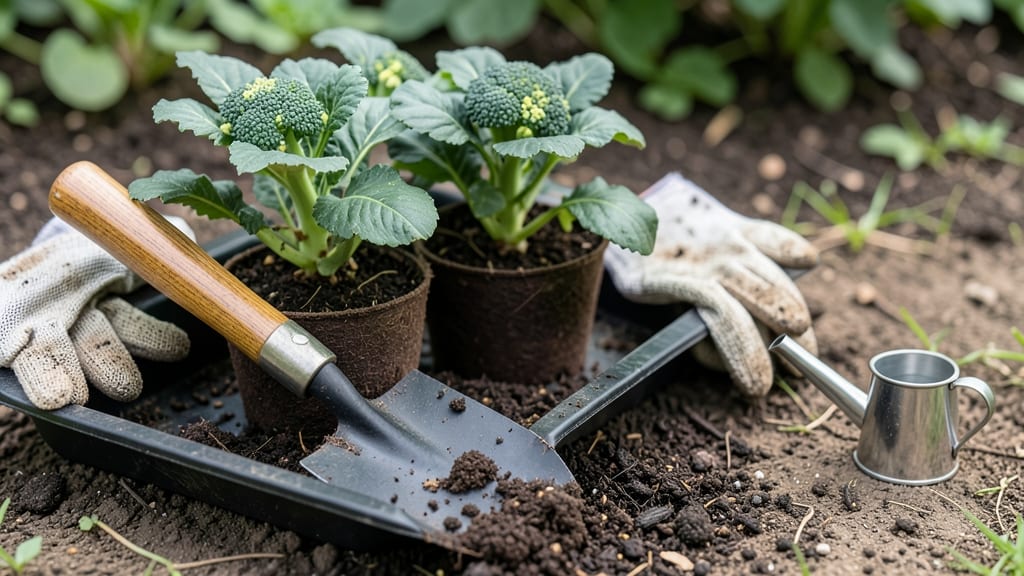
Knowing when to plant a fall garden in Zone 7 can turn your late-season plot into a harvest goldmine—or leave you with bolted greens and wasted seeds. The difference often comes down to timing, and getting it right means cooler mornings, crisp harvests, and fewer trips to the grocery store.
With an average first frost hitting around November 15, you’ve got a 4-6 week window to get cool-season crops in the ground. But rushing too early can trigger bolting, while waiting too long risks stunted growth.
Let me show you the exact dates and strategies to maximize your 🌱 fall garden before winter sets in.
From leafy greens that thrive in mild weather to root vegetables that need time to mature, each crop has its own deadline. We’ll cover the critical mistakes that sabotage fall gardens—and how to sidestep them—so you can enjoy fresh kale, carrots, and herbs straight from your yard.
Ready to extend your growing season? Let’s dive into the Zone 7 planting calendar and the secrets to a fall garden that keeps giving until the snow flies.
Zone 7 fall planting calendar: exact dates for cool-season vegetables
Timing is everything in a Zone 7 fall garden, where the average first frost date lands around November 15. To maximize your harvest, you’ll need to work backward from that date—planting cool-season crops at the right intervals ensures they mature before winter sets in.
For example, leafy greens like spinach need 40–50 days to reach harvest, while root vegetables like carrots require 60–70 days.
Soil temperature is another critical factor. Most fall vegetables thrive when soil temps drop below 80°F but stay above 40°F. If you plant too early in late summer heat, seeds may rot or bolt prematurely.
Start by testing your soil—ideal temps for cool-season crops hover around 55–75°F. If your soil is still too warm, wait 2–3 weeks before sowing.
Here’s the key rule: Plant fast-growing crops first (like radishes or lettuce) and slower varieties later. For instance, sow bush beans in early August for an early fall harvest, then follow with broccoli or kale in mid-to-late September.
This succession planting strategy stretches your harvest window and reduces waste.
Pro tip: Use a fall planting calendar tailored to Zone 7’s climate. For instance, green onions can be sown as early as July 15, while cauliflower should wait until August 15 to avoid bolting.
Below, I’ve broken down the exact planting windows for your most productive fall crops, including soil temp requirements and harvest timelines.
| Crop Type | Planting Window | Soil Temp | Days to Harvest | Notes |
|---|---|---|---|---|
| Leafy Greens (Spinach, Lettuce, Kale) | Aug 15 - Sep 15 | 55–75°F | 30–50 days | Sow every 2 weeks for continuous harvest |
| Root Vegetables (Carrots, Beets, Radishes) | Aug 1 - Sep 10 | 60–75°F | 45–70 days | Loosen soil to prevent forking in carrots |
| Brassicas (Broccoli, Cabbage, Cauliflower) | Aug 15 - Sep 1 | 60–70°F | 60–90 days | Transplant seedlings for faster growth |
| Herbs (Cilantro, Parsley, Dill) | Aug 10 - Sep 20 | 50–70°F | 30–60 days | Cilantro bolts quickly—harvest early |
| Flowers (Pansies, Calendula, Snapdragons) | Sep 1 - Sep 15 | 55–65°F | 40–60 days | Add mulch to protect from early frost |
Don’t overlook microclimates in your Zone 7 garden. A south-facing bed may stay warmer longer, allowing you to plant slow-maturing crops like Brussels sprouts a week or two later than the average timeline.
Conversely, shady spots or areas near large trees might need earlier planting to compensate for cooler soil temps. Use a soil thermometer to check temps at a 2-inch depth before sowing.
If you’re using container gardening, remember that pots cool down faster than in-ground beds. Start container crops 1–2 weeks earlier than your ground-planted counterparts. For example, bush beans in pots can go in by July 20, while carrots in containers should wait until August 5
Zone 7 fall planting calendar: exact dates for cool-season vegetables
Timing is everything in a Zone 7 fall garden. With the average first frost arriving around November 15, you’ll need to plant most cool-season crops between mid-August and early October.
This window ensures your plants mature before temperatures drop, but rushing too early can trigger bolting in heat-sensitive varieties like lettuce or spinach.
Start by calculating your last planting date by counting backward from the first frost. For example, if you want to harvest bush beans (which take 50-60 days), plant them by September 15.
For slower growers like broccoli (60-80 days), aim for mid-August to give them enough time in the cooler soil.
Soil temperature matters just as much as air temperature. Most cool-season crops thrive when soil stays above 45°F (7°C). Test your soil with a thermometer—if it’s below this, wait a few weeks or use black plastic mulch to warm it up faster.
This is especially critical for root vegetables like carrots and beets, which need consistent warmth to develop properly.
🌱 Zone 7 Fall Planting Timeline
| Crop Type | Planting Window | Days to Harvest | Soil Temp (°F) | Notes |
|---|---|---|---|---|
| Leafy Greens (Lettuce, Spinach, Kale) | Late July - Early Sept | 30-50 days | 45-70°F | Bolt-resistant varieties best |
| Root Vegetables (Carrots, Beets, Radishes) | Mid-August - Late Sept | 40-70 days | 50-75°F | Loose soil prevents forking |
| Brassicas (Broccoli, Cabbage, Cauliflower) | Mid-August - Early Sept | 60-80 days | 50-65°F | Transplant seedlings for faster growth |
| Herbs (Cilantro, Parsley, Dill) | Late July - Mid-Sept | 30-60 days | 50-70°F | Cilantro bolts quickly—succession plant |
| Peas & Beans (Bush Beans, Peas) | Late July - Early Sept | 50-60 days | 55-75°F | Peas tolerate light frost |
Don’t overlook succession planting—this is your secret weapon for a continuous harvest. For example, sow radishes every 2 weeks from late July through September.
Their quick 25-30 day maturity means you’ll get multiple harvests before frost, while slower growers like kale can handle cooler temps and even sweeten up after a light frost.
Pro tip: Use row covers or cold frames to extend your season by 2-4 weeks. These protect tender crops like lettuce and spinach from early cold snaps, giving you extra time to harvest. Just
Finally, keep an eye on your local microclimate. Areas near large trees or bodies of water may stay warmer longer, while elevated spots can freeze earlier. Use these variations to your advantage—plant heat-sensitive crops in cooler microclimates and longer-season varieties in warmer pockets of your garden.