
Vegetables
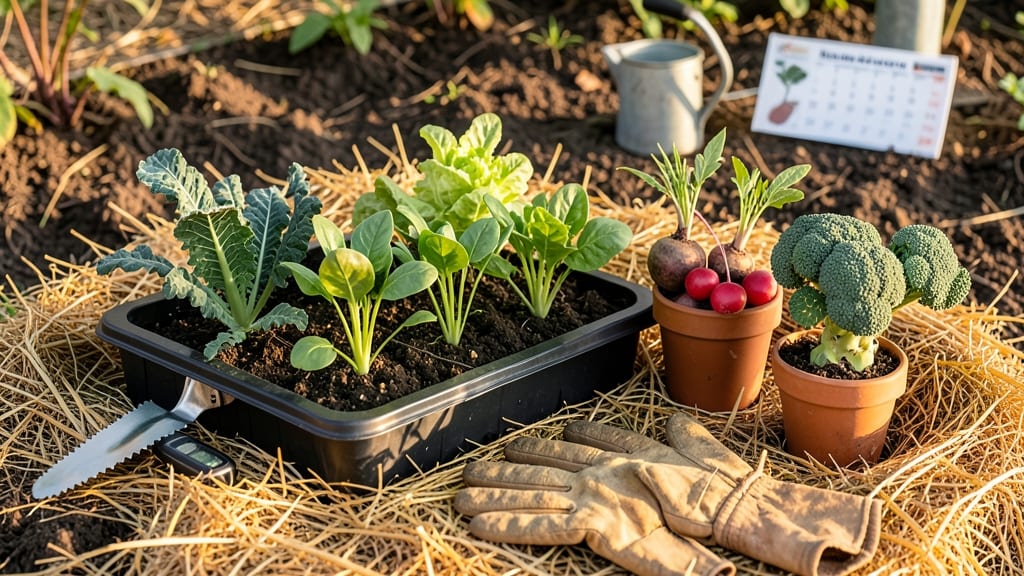
If you’ve ever planted your 🥬 fall vegetables in Zone 5 and watched them bolt before frost—or worse, missed the harvest entirely—you’re not alone. The difference between a bumper crop and a wasted effort often comes down to one critical factor: timing.
Plant too early, and the heat will send your greens to seed; too late, and frost will cut your harvest short.
Here’s the secret: Zone 5’s fall planting window is shorter than you think, and getting it right means knowing exactly how many weeks before frost to sow each crop.
Whether you’re growing leafy greens like kale or root vegetables like carrots, the clock starts ticking the moment summer’s heat begins to fade. With the right schedule, you can extend your harvest well into winter—without the guesswork.
I’ve tested these planting times over the years, and the results speak for themselves: cooler weather, fewer pests, and a garden that keeps giving long after summer’s over.
Ready to turn your fall garden into a productivity powerhouse? Let’s break down the exact weeks before frost you need to plant for a harvest that’ll last.
The best part? You don’t need a green thumb or fancy tools—just a clear plan and a little patience. By the end of this guide, you’ll know when to plant fall vegetables in Zone 5 like a pro, ensuring your garden thrives right up until the first frost.
Let’s get started.
Exact weeks before frost to plant fall vegetables in Zone 5
In Zone 5, where the first frost typically arrives around October 1, timing your fall vegetable planting is all about working backward from that date.
The key is planting cool-season crops early enough to mature before winter sets in, but not so early that they bolt in the summer heat. For most leafy greens and root vegetables, aim to plant 6–8 weeks before frost.
For slow-growing crops like broccoli or cauliflower, start even earlier—8–10 weeks before frost—since they need more time to reach harvest size. Meanwhile, fast-maturing varieties like radishes or bush beans can be planted just 4–6 weeks before frost for a quick harvest.
Understanding these windows ensures you’ll have a steady supply of fresh veggies from your garden.
Soil temperature is another critical factor. Most cool-season vegetables thrive when soil temps are between 45°F and 75°F. In Zone 5, this usually means waiting until late July or early August to plant, when daytime highs start to cool down.
If you plant too early, the heat will stress young seedlings, stunting their growth and making them vulnerable to pests.
Here’s a quick rule of thumb: Leafy greens (like spinach or kale) can handle cooler temps, so they’re the best candidates for late summer planting. Root vegetables (such as carrots or beets) also do well in the fall, but they need consistent moisture to avoid becoming woody or bitter. Brassicas (like broccoli or cabbage) are the most sensitive to heat, so they need to be in the ground early enough to avoid bolting.
| Vegetable Type | Weeks Before Frost | Best Varieties for Zone 5 | Soil Temp Range (°F) |
|---|---|---|---|
| Leafy Greens | 6–8 weeks | Spinach, Kale, Lettuce, Swiss Chard | 45–65°F |
| Root Vegetables | 8–10 weeks | Carrots, Beets, Radishes, Turnips | 50–70°F |
| Brassicas | 8–10 weeks | Broccoli, Cabbage, Cauliflower, Brussels Sprouts | 50–75°F |
| Alliums | 6–8 weeks | Onions, Garlic, Leeks, Green Onions | 50–70°F |
| Fast-Maturing Crops | 4–6 weeks | Radishes, Bush Beans, Lettuce (fast varieties) | 55–75°F |
One of the biggest mistakes I see in Zone 5 gardens is planting cool-season crops too late in the season. If you wait until September, many vegetables won’t have enough time to mature before frost.
For example, broccoli planted in late August might not produce heads before the first frost, leaving you with bitter or stunted plants. To avoid this, mark your first frost date on your calendar and work backward from there.
Another pro tip: Succession planting can extend your harvest window. For example, if you plant a batch of radishes every 2 weeks starting in early August, you’ll have a continuous supply of fresh radishes throughout the fall.
This strategy works especially well for fast-growing crops like lettuce, spinach, and bush beans. It’s also a great way to use up space in your garden as other crops finish their cycles.
Don’t forget to prepare your soil before planting. Cool-season vegetables thrive in well-draining, nutrient-rich soil with a pH between 6.0 and 7.0. Amend your soil with compost or aged manure a few weeks before planting to give your crops the best start.
You can also add a balanced fertilizer (like 5-10-10) at planting time to provide essential nutrients for early growth.
If you’re new to fall gardening in Zone 5, start with easy-to-grow crops like kale, spinach, or radishes. These vegetables are forgiving and can tolerate a wide range of conditions, making them perfect for beginners.
Once you’ve mastered the basics, you can experiment with more delicate crops like Brussels sprouts or cauliflower, which require more precise timing and care.
Finally, keep an eye on the weather forecast in late summer. If a heatwave is predicted, consider using shade cloth or row covers to protect young seedlings from heat stress.
In Zone 5, late summer can still bring unseasonably hot days, which can cause seedlings to wilt or bolt prematurely. A little extra protection goes a long way in ensuring your fall garden thrives.
With the right timing and a little preparation, your fall vegetable garden in Zone 5 can be just as productive as your spring or summer plantings. The cooler temperatures, fewer pests, and rich soil make fall one of the best times to grow vegetables. Happy planting! 🌱
Exact weeks before frost to plant fall vegetables in Zone 5
In Zone 5, the first frost typically arrives around October 1, but your fall vegetable planting window opens much earlier. The key is to plant at the right weeks before frost—too soon, and summer heat will stress your crops; too late, and frost will cut your harvest short.
Most cool-season vegetables thrive when planted 4 to 8 weeks before frost, but the exact timing depends on the crop’s maturity rate and your local climate.
For example, fast-growing leafy greens like spinach can be sown as late as 6 weeks before frost, while slower varieties like broccoli or carrots need 8 to 10 weeks to reach harvest size.
Understanding these deadlines ensures you’ll have a steady supply of fresh produce well into winter. Let’s break down the exact schedule for your Zone 5 garden.
| Vegetable | Weeks Before Frost | Zone 5 Planting Window | Notes |
|---|---|---|---|
| Leafy Greens (Spinach, Lettuce) | 6-8 | Late July to early September | Fast-growing; tolerate light frost |
| Root Vegetables (Carrots, Beets) | 8-10 | Early to mid-August | Slow to mature; avoid summer heat |
| Brassicas (Broccoli, Kale, Cabbage) | 8-12 | Late July to early August | Cold-hardy; sweeten in frost |
| Peas and Beans (Dwarf Varieties) | 4-6 | Late August to early September | Quick harvest; avoid late-season pests |
Pro tip: Use succession planting to extend your harvest. For instance, sow a new batch of spinach every 2 weeks in late summer for a continuous supply.
This tactic works especially well for fast-growing crops like radishes or lettuce, which can be replanted even 3 weeks before frost in Zone 5.
Don’t forget to check your soil temperature—most fall vegetables prefer 45–75°F. If your soil is still too warm (above 80°F), wait a few weeks or use shade cloth to protect seedlings.
Cool soil speeds up germination and growth, giving your plants the best chance to mature before winter sets in.
For a foolproof approach, mark your first frost date on your calendar and count backward. If you’re unsure, err on the side of planting earlier—your crops will thank you with a longer harvest season. With this timeline, you’ll avoid the heartbreak of watching your garden fade before the first frost.
Once you’ve mastered these deadlines, you can experiment with cold-hardy varieties like kale or Swiss chard, which often taste sweeter after a light frost. The key is to start early, stay consistent, and enjoy the rewards of a productive fall garden.