
Plants
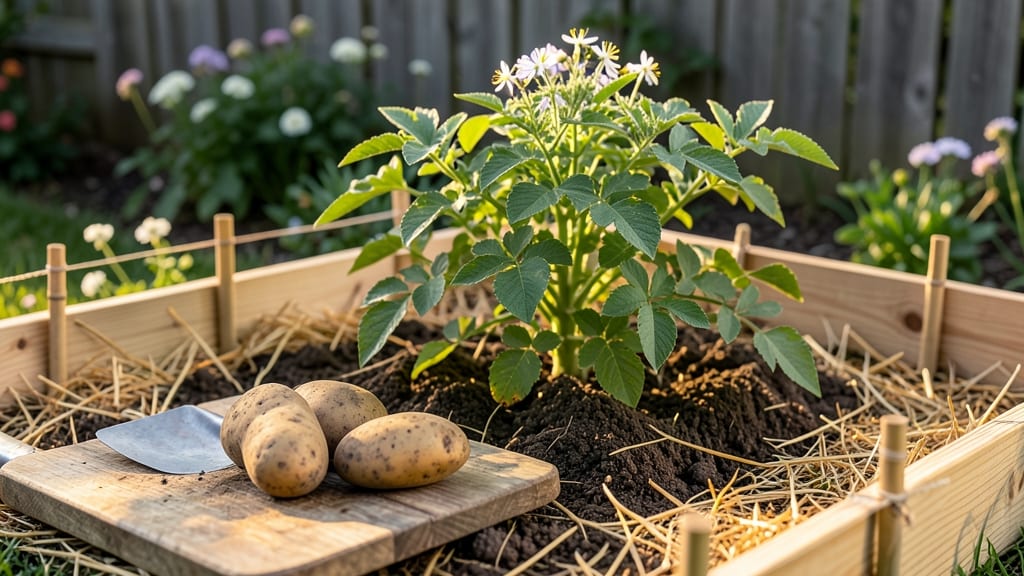
Planting fall potatoes in Louisiana might seem tricky with its warm climate, but timing is everything—and the right window could mean the difference between a thriving harvest and struggling tubers.
The key lies in knowing when to plant 🥔 varieties that handle heat while avoiding early frost risks, typically between September and October.
Most gardeners in zones 8a-9b wait until soil temperatures drop slightly, usually after mid-August, to give potatoes a head start before cooler weather arrives. This strategy lets you beat the heat while still enjoying a harvest before winter sets in.
The goal? Plant early enough for tubers to mature before the first frost hits around mid-December.
Why does this matter? Because Louisiana’s subtropical climate demands heat-tolerant varieties like Yukon Gold or Red Pontiac, which thrive in warmer soil and resist common diseases. Skipping the right timing could leave you with stunted growth or even total crop failure—something no gardener wants.
In this guide, I’ll walk you through the exact planting schedule, soil prep tips, and care steps tailored for Louisiana’s fall conditions. Let’s get those potatoes in the ground the right way!
Best months to plant fall potatoes in Louisiana (with heat tolerance guidelines)
Louisiana’s subtropical climate means fall potato planting must balance heat tolerance and frost avoidance. Unlike northern states, we can plant later—but timing is critical to avoid early frost risks (typically mid-December). The ideal window is late August through September, with a cutoff by early October for most varieties.
Northern Louisiana (USDA Zones 7b-8a) has slightly cooler nights, allowing early September planting, while southern regions (Zones 8b-9a) can extend until mid-October. Soil temperatures should stay above 50°F (10°C) for optimal sprouting—check with a soil thermometer if unsure.
For maximum yield, aim for planting 4-6 weeks before first frost. This ensures tubers mature before cold sets in. In Louisiana, this translates to late August for early varieties or September for slower growers like Yukon Gold.
Pro tip: Use black plastic mulch to warm soil faster in early fall plantings. This extends the growing season by 10-14 days in cooler microclimates.
🌱 Louisiana Fall Potato Planting Timeline
| Planting Window | Soil Temp Requirement | Frost Risk | Best Varieties |
|---|---|---|---|
| Late August | 55-65°F (13-18°C) | Low (1-2 weeks before frost) | Red Pontiac, Kennebec |
| Early September | 50-60°F (10-15°C) | Moderate (3-4 weeks before frost) | Yukon Gold, Purple Viking |
| Mid-September | 45-55°F (7-13°C) | High (2-3 weeks before frost) | Sweet Potatoes (separate crop), Fingerlings |
| Early October | 40-50°F (4-10°C) | Very High (1-2 weeks before frost) | Fast-maturing varieties only (e.g., 'German Butterball') |
⚠️ Note: October plantings require row covers to delay frost.
If you miss the ideal window, don’t panic! November plantings can work for fast-maturing varieties (60-70 days to harvest) with row covers or a low tunnel. Just reduce expectations for tuber size—focus on small harvests for storage.
For container growing, plant 2-3 weeks earlier (late July-early August) since pots cool faster. Use 5-gallon buckets with drainage holes and fill with lightweight potting mix amended with compost.
Always plant certified disease-free seed potatoes to avoid late blight, a major threat in Louisiana’s humid climate. Cut seed potatoes 2 weeks before planting to allow callusing—this prevents rot.
After planting, mulch with straw or grass clippings to retain moisture and regulate soil temperature. This is especially critical in sandy soils (common in south Louisiana) that dry out quickly.
Monitor your garden closely in late November. If frost threatens, cover plants with frost blankets or row covers to protect emerging tubers. Harvest before hard frost sets in—even frozen tubers won’t regrow!
Best months to plant fall potatoes in Louisiana (with heat tolerance guidelines)
Louisiana’s subtropical climate demands precise timing for fall potatoes—plant too early, and the heat will stress your tubers; too late, and frost arrives before harvest. The ideal window spans late August through October, but exact dates depend on your region’s microclimate and soil temperature trends.
For North Louisiana (Zone 8a), aim for mid-September planting to ensure tubers mature before the first frost, typically around mid-December. In South Louisiana (Zone 9b), you’ve got more flexibility—plant as late as early October for a December harvest.
The key is soil temps below 80°F but above 55°F for optimal sprouting.
Here’s the breakdown: Early fall (August) works only for heat-tolerant varieties like Red Pontiac, while mid-fall (September-October) suits most types. Late planting (November) risks stunted growth unless you use fast-maturing varieties (e.g., 60-day harvest types).
| Planting Window | Soil Temp | Best Varieties | Frost Risk |
|---|---|---|---|
| Late August | 70–80°F | Red Pontiac, Purple Viking | High (if late frost) |
| Mid-September | 60–75°F | Yukon Gold, Kennebec | Moderate |
| Early October | 55–65°F | Sweet Potatoes, Fingerlings | Low |
Pro tip: Use a soil thermometer to confirm temps—potatoes need consistent warmth to sprout but cooler roots (60–70°F) to form tubers. If your soil stays above 85°F for weeks, opt for shade cloth or extend your planting into early September.
For container growing, plant in late September to avoid heat stress; containers warm up faster than soil. Add compost to improve drainage—Louisiana’s clay-heavy soils can trap moisture, leading to rot. Always plant seed potatoes (not grocery store spuds) 4 inches deep and 12 inches apart.
Timing isn’t just about months—it’s about weather patterns. Check your local frost date (LSU AgCenter provides free maps) and count backward 90 days for most varieties. If you’re in New Orleans or Baton Rouge, you’ve got until early November for late varieties like Russian Banana potatoes.