
Plants
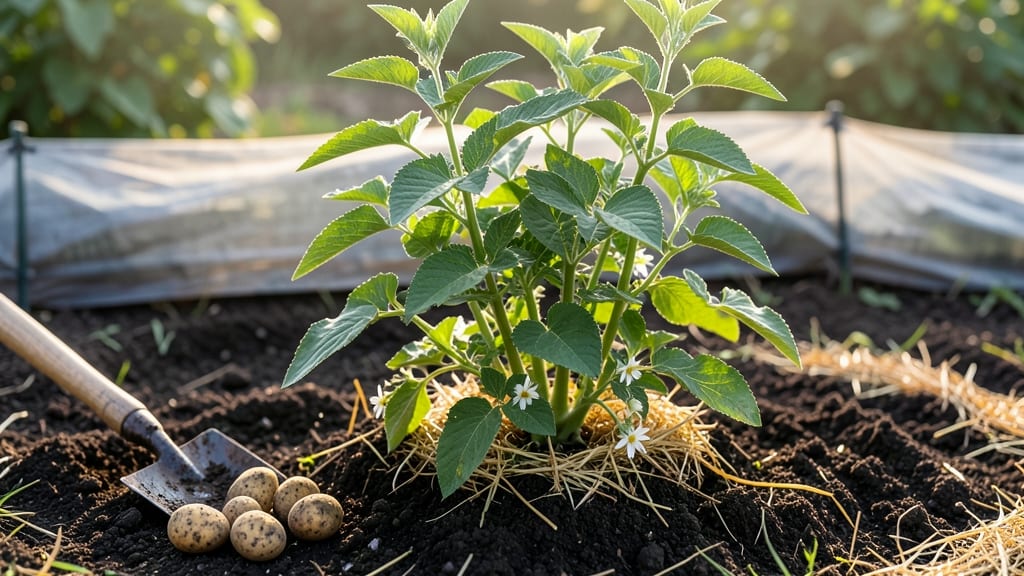
When to plant fall potatoes in Oklahoma—specifically in Zone 7b—is the secret to turning your garden into a thriving potato patch. Timing your potatoes just right makes all the difference between a bumper crop and wasted effort. Plant too early, and your tubers may overheat; too late, and frost will steal your harvest before it even forms. The 4-6 week window before the first frost—typically late August through early September—is your golden opportunity to get it right.
Why does this matter? Because Oklahoma’s unpredictable weather can turn a great planting day into a disaster if you’re not prepared. The key is understanding how soil temperatures and daylight hours shift in fall, and how different potato varieties respond.
Early maturing types like Yukon Gold give you flexibility, while late varieties might not have enough time to bulk up before winter sets in.
What you’ll discover here is the exact schedule to follow, plus pro tips for soil prep and spacing that Oklahoma gardeners swear by. We’ll also cover how to tell when your potatoes are ready to harvest—because digging too soon or too late can ruin everything.
Let’s get those spuds in the ground at the perfect moment for a harvest that’ll last through the holidays.
Whether you’re a seasoned gardener or just starting with fall potatoes 🥔, these insights will help you avoid common mistakes and maximize your yield. Ready to turn your backyard into a potato powerhouse? Let’s dive into the details that make all the difference in Oklahoma’s climate.
Optimal fall planting dates for Oklahoma Zone 7b potatoes
Oklahoma’s Zone 7b climate creates a sweet spot for growing fall potatoes—if you time it right. The key is planting 4-6 weeks before your first frost, which typically arrives between November 15 and December 15.
This gives potatoes enough time to mature before cold snaps hit, ensuring a hearty harvest of Irish, red, or sweet potatoes.
For most of Oklahoma, the ideal window is late August through early September. This schedule aligns with soil temperatures dropping below 80°F, reducing heat stress on young plants.
Northern Oklahoma (like Oklahoma City) may need to plant slightly earlier, while southern regions (like Tulsa) can extend planting into early September.
Here’s the science behind the timing: Potatoes need 90-120 days to mature, depending on the variety. Planting in late August ensures harvests occur in October or early November, just before frost sets in.
Late varieties like Yukon Gold or Russet thrive in this schedule, while early varieties (like Red Pontiac) can be planted as late as early September for a quicker harvest.
🌱
| Stage | Action | Oklahoma Timeline |
|---|---|---|
| Soil Prep | Test pH (5.0-6.5), add compost | Late July - Early August |
| Plant Seed Potatoes | 4" deep, 12" apart, full sun | Late August - Early September |
| Hilling Soil | Pile soil around stems every 2 weeks | September - Early October |
| Harvest | Dig when foliage yellows | October - Early November |
| Last Chance | Plant cold-hardy varieties | Early September (if late) |
If you’re planting in northern Oklahoma, aim for late August to avoid early frosts. Southern Oklahoma gardeners have more flexibility—you can push planting to early September for late varieties.
Always check the NOAA frost forecast for your specific area, as microclimates can shift planting windows by a week or more.
For sweet potatoes, which are less cold-tolerant, plant in late July to early August to harvest before frost. These need 100-120 days to mature, so timing is even more critical. Choose varieties like Beauregard or Georgia Jet, which handle Oklahoma’s heat better than others.
Pro tip: Use row covers or black plastic mulch to extend the growing season by 2-3 weeks. This is especially useful if you’re planting late varieties in September. Just remove covers before harvest to avoid rot.
🌿
One common mistake is assuming all potatoes are created equal. Early varieties (like Kennebec) mature in 60-90 days, while late varieties (like Russian Banana) take 100-120 days.
Match your planting date to the variety—planting a late variety in early September might mean harvesting just as frost hits, risking poor-quality tubers.
To track your progress, mark your calendar for September 15 as a cutoff for most varieties. After that, only cold-hardy varieties (like Fingerling potatoes) are safe bets. If you miss the window, consider growing garlic or onions instead—they’re more frost-tolerant and can still produce a harvest.
How to adjust your planting schedule for maximum yield
Adjusting your fall potato planting schedule in Oklahoma isn’t just about dates—it’s about matching your variety, soil conditions, and weather patterns. Start by choosing early-maturing varieties like Red Pontiac (60-90 days) if you’re planting in early September.
These give you a harvest window before frost, even if planted late. For late August plantings, Yukon Gold or Russet (90-120 days) are ideal—they’ll bulk up nicely before cold weather arrives.
Soil temperature is your secret weapon. Potatoes thrive when soil stays between 50°F and 75°F. In Oklahoma, soil temps drop below 80°F by mid-August, making late August the perfect time to plant.
Use a soil thermometer to confirm—if temps are still above 80°F, wait a week or two. Cool soil speeds up sprouting and reduces heat stress on young plants.
🌱
- 1 Test soil pH (ideal: 5.0–6.5) and amend with lime or sulfur if needed. Oklahoma’s clay-heavy soils often need compost or aged manure for drainage.
- 2 Plant seed potatoes 4 inches deep, 12 inches apart, in rows 3 feet apart. Cut larger seed potatoes into 1.5-ounce pieces with at least 2–3 eyes per piece.
- 3 Mulch heavily with straw or grass clippings to retain moisture and suppress weeds. Oklahoma’s dry fall winds can dry out soil quickly—mulch keeps tubers from shrinking.
- 4 Hill soil around stems every 2 weeks to encourage tuber formation. Pile soil 6–8 inches high by harvest time—this protects tubers from greening (toxic solanine buildup).
- 5 Monitor NOAA forecasts for early frost warnings. If frost is predicted 10–14 days out, use row covers to extend the season by 2–3 weeks. Remove covers 24 hours before harvest to avoid rot.
Weather forecasting tools like the NOAA Climate Prediction Center can save your harvest. Check their 7-day frost probability maps for Oklahoma in early September. If frost is likely within 10–14 days of your planting date, opt for early varieties or use black plastic mulch to warm the soil.
This trick adds 5–7°F to soil temps, giving potatoes a head start.
For sweet potatoes, which are less frost-tolerant, plant in late July and harvest by early October. These need 100–120 days to mature, so don’t wait until August.
Choose Beauregard or Georgia Jet—both handle Oklahoma’s heat better than other varieties. Plant slips (young plants) in well-draining soil with a pH of 5.8–6.2.
💧
Watering is another critical adjustment. Potatoes need 1–2 inches of water per week during growth, but reduce watering 2 weeks before harvest to toughen skins. In Oklahoma’s dry fall, water deeply every 3–5 days in the morning to avoid fungal diseases like blight.
Use a drip irrigation system to keep foliage dry—this is especially important in September when humidity rises.
Pro tip: If you’re planting in southern Oklahoma (like Tulsa), you can push planting to early September for late varieties. Northern areas (like Oklahoma City) should plant by late August to avoid early frosts.
Always account for microclimates—gardens near lakes or hills may stay warmer longer, giving you a few extra days to plant.