
Plants
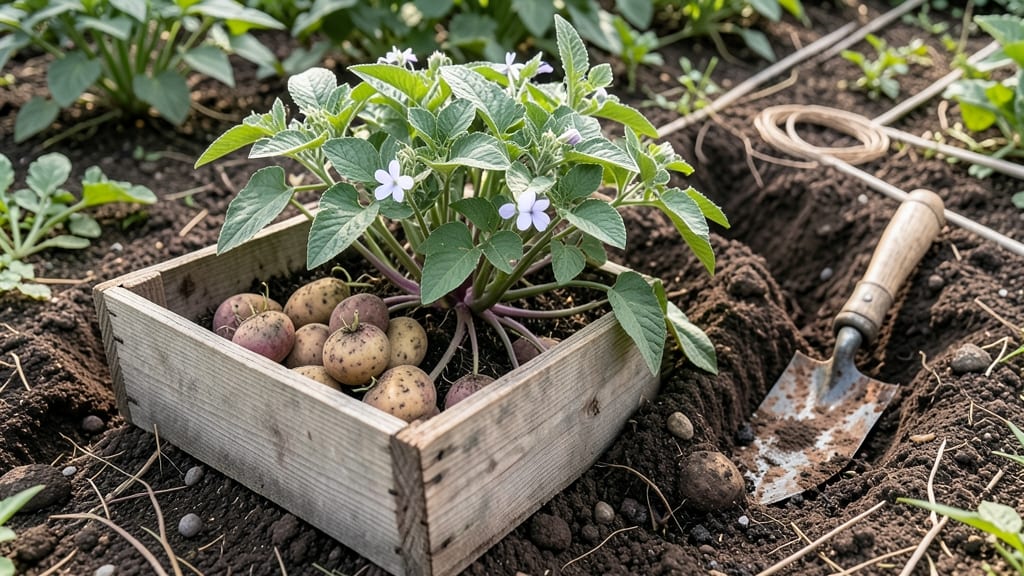
When to plant fall potatoes in Virginia is all about timing—balancing the need to beat the first frost while ensuring your tubers have enough time to mature. Plant too early, and your harvest might bolt before winter; too late, and frost steals your yield. The sweet spot? Late summer to early fall, when soil temps stay warm enough for roots to establish but nights grow cooler.
Virginia’s 7a-8a zones create unique challenges, from the Piedmont’s rolling hills to the Tidewater’s coastal breezes. What works in Richmond’s 8a climate might fail in the Shenandoah Valley’s 7a chill.
I’ll break down the exact planting windows for each microclimate so you can align your schedule with your local frost dates—no guesswork, just harvests.
Beyond dates, we’ll tackle soil prep, cold-hardy varieties, and tricks to extend your growing season. Whether you’re a first-time gardener or a seasoned grower, these strategies will help you avoid frost damage and maximize your fall potato yield. Let’s get those spuds in the ground at the perfect moment.
Ready to turn your Virginia garden into a potato powerhouse? The clock’s ticking—literally—and these tips will ensure your late-summer planting pays off come harvest season. Here’s how to make it happen.
Virginia’s fall potato planting zones: when to start based on microclimate
Timing is everything when planting fall potatoes in Virginia, where USDA zones 5b–8a create wildly different growing conditions. The Piedmont region (like Richmond) has earlier frost dates than the Coastal Plain (Norfolk), so your planting window shifts dramatically.
For a successful harvest before winter, aim to plant 4–6 weeks before your first frost, but adjust based on your specific zone.
Virginia’s first frost dates range from mid-October in the mountains to late November near the coast. This means gardeners in Roanoke (Zone 6b) should plant by early September, while those in Williamsburg (Zone 7b) have until mid-September.
The key is calculating your frost-free window—potatoes need 90–120 days to mature, so late plantings risk stunted tubers.
Here’s how Virginia’s microclimates break down for fall potato planting, including ideal dates and regional adjustments:
| Region | USDA Zone | First Frost Date | Planting Window | Harvest Window |
|---|---|---|---|---|
| Mountains (e.g., Roanoke, Blacksburg) | 5b–6a | Mid-October | August 1–15 | October 15–November 1 |
| Piedmont (e.g., Richmond, Charlottesville) | 6b–7a | Late October | August 15–September 1 | October 30–November 15 |
| Shenandoah Valley (e.g., Staunton, Harrisonburg) | 6a–6b | Early October | July 31–August 10 | September 20–October 10 |
| Coastal Plain (e.g., Norfolk, Virginia Beach) | 7b–8a | Late November | September 1–15 | November 1–December 1 |
| Appalachian Plateau (e.g., Bristol, Wise) | 6a–6b | Mid-October | August 1–15 | October 10–20 |
If you’re in Zone 7a or warmer, you can push your planting window later, but soil temperatures below 45°F slow tuber formation. Use a soil thermometer to confirm your garden bed is 50°F+ before planting.
In cooler zones like the Shenandoah Valley, prioritize early-maturing varieties (like Red Norland) to beat frost.
For gardeners in Zone 6b or colder, consider staggered planting: start with early varieties in August and follow up with longer-season types in early September. This extends your harvest window and reduces risk from unpredictable early frosts.
Always check your local Cooperative Extension Service for year-specific frost data, as climate shifts can alter traditional timelines.
One common mistake is planting too late and relying on row covers to extend the season. While row covers work, they’re no substitute for proper timing.
Potatoes planted after mid-September in most of Virginia rarely reach full maturity before frost, leaving you with small, starchy tubers instead of harvest-worthy potatoes. Plan ahead and mark your calendar based on your zone!
Pro tip: If your first frost arrives early, switch to cold-hardy varieties like Purple Viking or Kennebec, which tolerate light frosts and still produce edible tubers. These varieties are your best bet for Zone 5b–6a gardeners pushing the limits of the growing season.
Remember, soil preparation is just as critical as timing. Work in compost
How to adjust planting dates for Virginia’s unpredictable fall weather patterns
Virginia’s fall weather can be as unpredictable as a coastal breeze one day and a frosty chill the next. If you plant your fall potatoes too early, they’ll bolt in the heat; too late, and frost will nip them before harvest.
The key is flexibility—adjusting your planting timeline based on real-time conditions rather than relying on averages.
Start by monitoring your local frost dates. While the state’s average first frost falls around November 15, coastal areas like Norfolk may see frost as early as October 20, while inland Roanoke could delay until November 30.
Use the National Weather Service or local Cooperative Extension reports to track shifts in your microclimate.
For extra cushion, plant a successive crop in late August and another in early September. This staggered approach ensures at least one batch matures before frost. If early fall brings unseasonable heat waves, opt for shade cloth or mulch to protect young plants from stress.
⚠️ Watch for False Springs
Virginia’s unpredictable fall weather can trick you with warm spells after early frost. If temperatures dip below 32°F but rebound, your potatoes may think winter’s over and start bolting prematurely. Use row covers or move containers indoors if frost threatens.
Soil temperature matters just as much as air temperature. Potatoes need soil at least 45°F to sprout. Test your soil with a thermometer—if it’s cooler, delay planting or use black plastic mulch to warm it faster.
In Zone 7a (e.g., Richmond), aim for August 15–September 1; in Zone 8a (e.g., Hampton Roads), shift to September 1–15.
If frost arrives earlier than expected, harvest new potatoes (small tubers) immediately—they’re less prone to damage. For a delayed harvest, choose cold-hardy varieties like Yukon Gold or Kennebec, which tolerate light frost better than others. Store harvested tubers in a cool, dark place (40–50°F) to extend freshness.
Pro tip: Plant seed potatoes in containers if your garden soil stays too wet. Containers warm faster in spring and drain better, giving you a 3–4 week head start on ground planting. Just ensure pots have drainage holes and use a lightweight potting mix.