
Plants
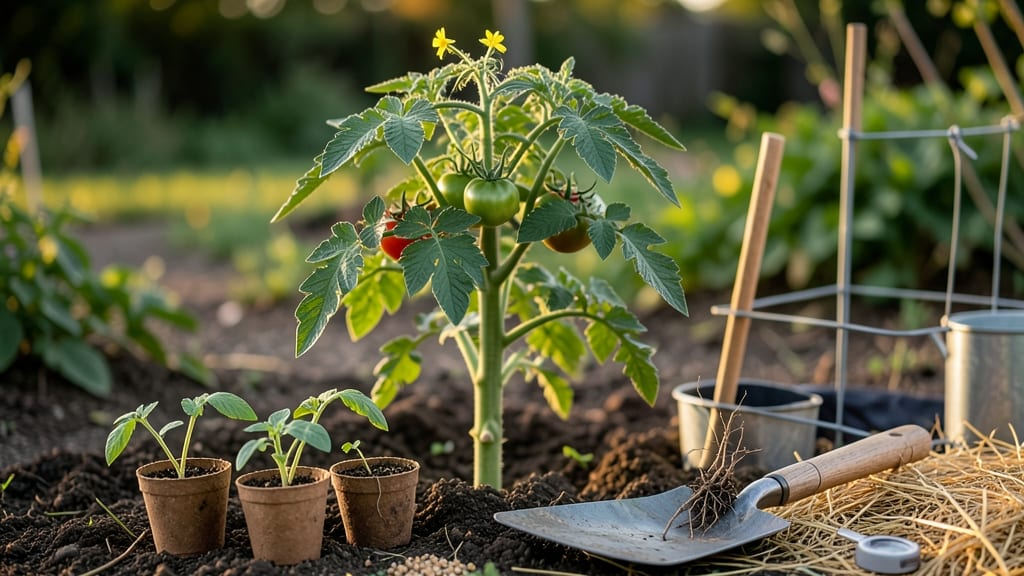
Planting fall tomatoes in Louisiana might seem tricky with its unpredictable weather, but timing is everything for a bountiful harvest. The mid-August to early September window gives your 🍅 plants just enough time to mature before frost hits.
Too early, and you’ll battle summer heat; too late, and your tomatoes won’t ripen in time.
Most gardeners in zones 8a-9b swear by this schedule because it balances heat tolerance and frost risk. If you’ve ever lost a tomato harvest to a sudden cold snap, you know how critical this timing really is.
The key is choosing heat-resistant varieties and preparing your soil right—both make all the difference.
I’ve learned the hard way that skipping these steps leads to stunted growth or early bolting. But with the right approach, you can enjoy homegrown tomatoes well into December. Let’s break down the exact steps to set your fall garden up for success.
From selecting the best varieties to avoiding common pitfalls, this guide covers everything you need to know. Whether you’re a seasoned gardener or just starting out, these insights will help you avoid the three biggest mistakes that ruin fall tomato harvests in Louisiana.
Best planting windows for fall tomatoes in Louisiana (by region)
Timing is everything when planting fall tomatoes in Louisiana—get it wrong, and you’ll either lose your plants to heat or frost. The key is planting 6-8 weeks before your area’s first frost date, which varies by region.
Louisiana spans USDA Zones 8a-9b, so I’ve broken down the ideal windows for North, Central, and South Louisiana to maximize your harvest.
For North Louisiana (Zone 8a), aim for mid-August to early September. This gives your plants enough time to mature before the average December 1 frost date.
In Central Louisiana (Zone 8b), you’ve got a slightly longer window—late August to mid-September—to work with, thanks to milder winters. Meanwhile, South Louisiana (Zone 9b) gardeners can push planting until early October, with frost rarely arriving before mid-December.
Here’s the critical detail: soil temperatures must drop below 90°F before transplanting. If you plant too early, your seedlings will struggle in the residual summer heat, leading to transplant shock or bolting. Use a soil thermometer to confirm—ideal transplant temps are 60-75°F.
🌱
| Region | USDA Zone | Planting Window | First Frost Date | Seedling Age at Planting |
|---|---|---|---|---|
| North Louisiana | 8a | Mid-August to early September | December 1 | 4-6 weeks old |
| Central Louisiana | 8b | Late August to mid-September | December 10 | 4-6 weeks old |
| South Louisiana | 9b | Early August to October 1 | December 15 | 4-8 weeks old |
🌡️ Pro Tip: Verify your local frost date using the Louisiana State Climate Office for precision.
If you’re starting seeds indoors, begin 4-6 weeks before your target transplant date. For example, North Louisiana gardeners should start seeds by mid-July, while South Louisiana can wait until late July. Use grow lights to supplement natural light, as fall days shorten quickly.
Another critical factor is seedling age at transplanting. Aim for 4-6 weeks old, with 6-8 true leaves and a sturdy stem. Older seedlings may struggle to establish roots before frost, while younger ones won’t have enough vigor to compete with weeds or pests.
Harden off seedlings for 7-10 days before transplanting to reduce shock.
For container growers, 5-gallon pots are ideal—they provide enough root space while allowing you to move plants to sheltered spots if frost threatens early. Place containers in south-facing areas to maximize sunlight exposure, which is even more critical in fall when days grow shorter.
Finally, mulch heavily after transplanting to insulate roots and retain moisture. Straw or shredded leaves work well, and they’ll also suppress weeds as temperatures drop. In South Louisiana, where humidity lingers, add 1-2 inches of mulch to prevent soil-borne diseases like blight.
🌿
3 Critical mistakes that kill fall tomato harvests (and how to avoid them)
Every fall, I’ve seen gardeners in Louisiana lose their tomato harvests to the same three mistakes. The most common? Planting too late and hoping for a miracle harvest.
When you wait until mid-September, your plants simply don’t have enough time to mature before frost hits—especially in Zone 8a where first frost can arrive as early as December 1.
Another deadly error is choosing heat-sensitive varieties like 'Early Girl' or 'Better Boy' for fall planting. These need warm soil to thrive, but by late summer, Louisiana’s heat has already peaked. Instead, opt for varieties bred to handle 85-95°F soil temps like 'Heatmaster' or 'Solar Fire'.
Here’s the worst offender: ignoring soil temperature after transplanting. Many gardeners assume cooler fall air means cooler soil, but that’s not always true. Use a soil thermometer to confirm temps are below 85°F before planting. If your soil runs hotter, delay until conditions improve.
⚠️ Mistake #1: Overwatering After Transplanting
Newly transplanted tomato seedlings need consistent moisture, but too much water causes root rot in Louisiana’s humid climate. The fix? Water deeply once every 2-3 days (1-2 gallons per plant) and always in the morning to prevent fungal diseases like early blight.
✅ DO:
- Use drip irrigation to target roots
- Water at soil level (avoid wetting leaves)
- Check soil moisture 2 inches down
❌ DON’T:
- Water at night (promotes disease)
- Let soil stay soggy (use raised beds if drainage is poor)
- Skip mulching (3-4 inches of straw reduces evaporation)
The second biggest mistake is skipping soil prep before planting. Louisiana’s clay-heavy soils need amending with compost and organic matter to improve drainage. I’ve seen tomato plants struggle in unamended soil, leading to poor root development and stunted growth.
Test your soil’s pH (aim for 6.0-6.8) and add aged compost or well-rotted manure 2-3 weeks before planting.
Finally, many gardeners forget to prune suckers aggressively in fall. While pruning helps airflow and reduces disease, over-pruning can stress plants when they’re already working to mature fruit. Focus on removing only lower suckers (below the first flower cluster) and avoid heavy pruning after mid-October when days shorten.
By avoiding these three mistakes—late planting, wrong varieties, and poor soil/water management—you’ll give your fall tomatoes the best shot at success. The payoff? Homegrown tomatoes well into December, even in Louisiana’s unpredictable climate. 🍅